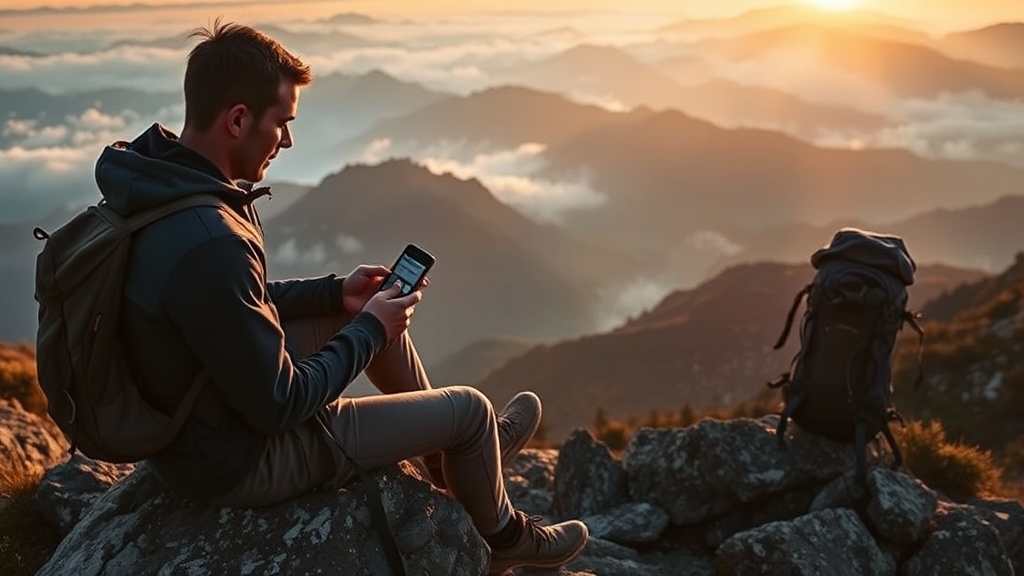
2026 Adventure Gear Trends: Must‑Have Gear for Every Expedition

Hook: Ever wondered why your pack feels heavier than last year’s, even though you’ve cut out the fluff? 2026’s adventure gear is getting smarter, lighter, and more sustainable – and missing out means you’re leaving performance (and safety) on the trail.
Context: As a former Intel engineer turned adventure planner, I’m obsessed with the intersection of tech and the outdoors. Over the past months I’ve tested gear on Kilimanjaro, Patagonia, and a Raja Ampat liveaboard, and the upgrades are game‑changing. This quick‑hit guide breaks down the hottest trends and tells you exactly what to buy (or skip) for your next expedition.
What are the biggest gear trends shaping adventure travel in 2026?
1. Ultralight, modular backpacks
Manufacturers like Osprey and Hyperlite have introduced backpacks that weigh under 2 lb for a 60‑L capacity, thanks to carbon‑fiber frames and removable compartments. The modular design lets you strip the pack down to a day‑pack for short hikes and snap on extra pockets for multi‑day treks.
Pro tip: Pair the Osprey Roto 60 with the detachable hip‑belt pouch – it turns a full‑blown trek pack into a sleek day‑bag without sacrificing hydration compatibility.
2. Smart safety tech
From satellite messengers (Garmin inReach 2) to AI‑driven fall‑detect wearables (Apple Watch Series 9’s new Adventure Safety mode), 2026’s safety gear can alert emergency contacts automatically and give real‑time weather alerts.
- Why it matters: In remote Patagonia, a sudden storm can turn a day hike into a night scramble. A device that pings rescue services at the first sign of trouble is priceless.
3. Sustainable fabrics and recycled materials
Brands are moving beyond recycled polyester. Patagonia now offers jackets made from Yulex® plant‑based neoprene, and Arc’teryx uses recycled down that retains 95 % of its loft. These options cut carbon footprints while delivering performance.
4. Integrated power solutions
Solar‑charged packs (e.g., Goal Zero’s Nomad Solar 30) now pair with built‑in USB‑C ports and Power‑Bank‑as‑a‑Clothing tech (e.g., jackets with hidden battery packs). No more tangled power banks in your pack.
5. Multi‑tool ergonomics
The classic Swiss‑army knife is evolving. The Leatherman Wave Pro adds a magnetic screwdriver set and quick‑release wrench, all engineered for one‑handed operation on steep ascents.
How do I choose the right backpack for multi‑day treks?
- Capacity vs. weight: Aim for a 50‑70 L pack that weighs < 2 lb when empty. Anything heavier adds fatigue on long ascents.
- Fit system: Look for adjustable torso lengths and load‑lifters. The Hyperlite Mountain Gear 3400 uses a patented Dynamic Fit that adapts to your spine.
- Modularity: Ensure you can detach day‑pack sections. This flexibility is highlighted in my Adventure Trip Planning Checklist.
Which smart safety devices are worth the investment?
- Garmin inReach 2 – Global satellite messaging, SOS button, and two‑way texting. Ideal for remote treks where cellular coverage is spotty.
- Apple Watch Series 9 (Adventure Safety) – Detects falls, monitors heart‑rate anomalies, and sends alerts to emergency contacts via cellular (if you have an LTE plan). Great for hybrid trips that blend city travel with backcountry sections.
- BioLite CampStove 2 – Not a wearable, but it doubles as a stove and charger, converting fire heat into USB power.
My experience: While on the Patagonia W Trek, the inReach 2 saved a night when a teammate sprained an ankle; the SOS ping reached a local rescue team within minutes.
How can I make my gear selection more sustainable?
- Buy recycled: Choose jackets with recycled down or plant‑based shells.
- Rent when possible: For niche gear like ice‑climbing crampons, consider renting from local outfitters. This reduces waste and saves money – see my Shoulder Season Cheat Code for cost‑saving tips.
- Repair, don’t replace: Many brands now offer free repair programs (e.g., Patagonia Worn Wear). Keep your gear alive longer.
What are the budget implications of upgrading to 2026 gear?
Upgrading doesn’t have to break the bank. Here’s a quick cost‑breakdown for essential upgrades:
| Item | 2025 Avg. Price | 2026 Trend Price | Savings Tips |
|---|---|---|---|
| Ultralight backpack (50‑L) | $250 | $220 (sale) | Use Last‑Minute Adventure Travel Deals for seasonal discounts |
| Satellite messenger | $350 | $340 | Bundle with a power bank for extra value |
| Solar pack | $200 | $190 | Look for Affordable Adventure Trips for package deals that include gear rentals |
Takeaway
2026’s adventure gear isn’t just about looking cool – it’s about shaving weight, staying safe, and minimizing environmental impact. Start by swapping your old backpack for a modular ultralight model, add a reliable satellite messenger, and prioritize sustainable fabrics. Your future self (and the planet) will thank you on the trail.
Related Reading
- How to Budget Your Adventure Trip: Step‑by‑Step Guide – Pair smart gear choices with a realistic budget.
- Adventure Trip Planning Checklist: 7 Things to Do Before You Book – Ensure you’ve covered all gear and safety bases.
- The 8‑Week Trek Training Plan I Use Before Every Big Trip – Get fit to carry that new ultralight pack.