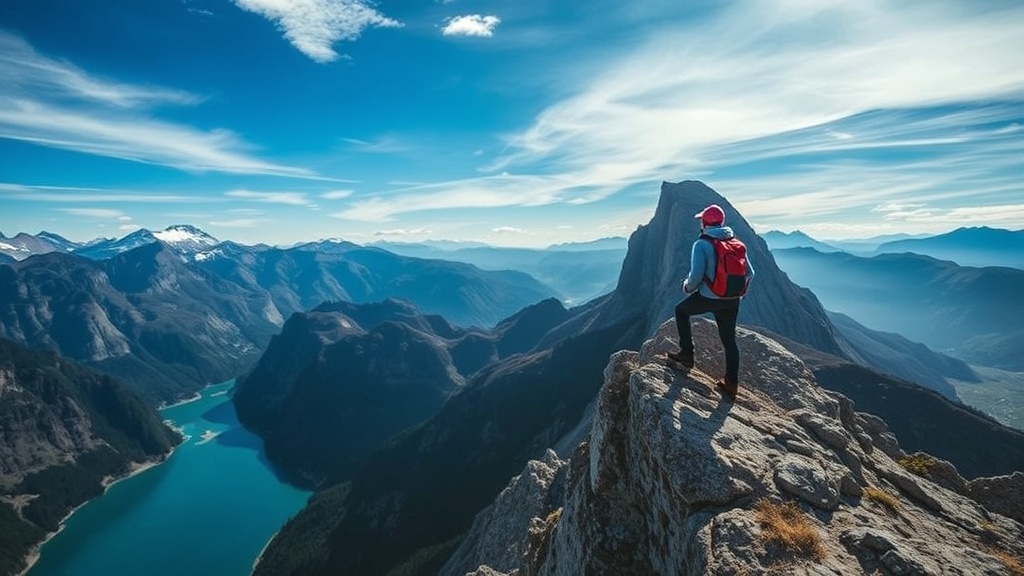
5 Epic Adventure Destinations Every Thrill Seeker Must Visit

Queenstown, New Zealand — The Adventure Capital of the World
Interlaken, Switzerland — Paragliding Paradise Between Alpine Lakes
Costa Rica — Zip-Lining Through Cloud Forests and Volcano Hiking
Patagonia, Chile & Argentina — Trekking the End of the World
Moab, Utah USA — Rock Climbing and Off-Road Desert Adventures
1. Torres del Paine National Park, Patagonia, Chile
The W Trek remains the crown jewel of South American trekking, delivering granite spires, glaciers, and turquoise lakes across 50 miles of wilderness. This isn't a casual weekend hike—proper preparation separates those who complete the circuit from those who turn back at the first refugio.
What Makes It Epic
The trail culminates at the base of the Torres themselves—three granite towers rising 2,800 feet from the glacial lake below. Grey Glacier calves icebergs into Lake Grey, and the French Valley offers 360-degree amphitheater views of hanging glaciers. Wildlife includes guanacos, Andean condors with 10-foot wingspans, and the occasional puma tracking prey.
Real Costs and Logistics
A 5-day self-guided W Trek runs approximately $1,800-2,400 per person including:
- Round-trip flights from major U.S. hubs to Santiago: $800-1,200 (LATAM and American operate direct routes from Miami, Dallas, and Los Angeles)
- Domestic flights Santiago to Puerto Natales: $200-350
- Park entrance fee: $35 USD for international visitors
- Refugio dormitory beds: $45-65 per night (book 6 months ahead through Fantastico Sur or Vertice Patagonia)
- Camping with gear rental: $25-40 per night
- Food at refugios: $25-40 per meal (packed lunches available)
Guided treks with porters and meal service run $3,500-4,500. Most travelers with limited vacation time (10-14 days total) find the self-guided approach manageable—the trail is well-marked, and daily distances average 8-12 miles.
Best months: December through February (Patagonian summer). Book refugios by June for peak season. Weather shifts rapidly; pack layers for everything from 70°F sunshine to horizontal sleet.
2. Raja Ampat, Indonesia
This archipelago of 1,500 islands sits at the heart of the Coral Triangle, hosting the highest marine biodiversity on Earth. Divers here encounter 1,300 fish species and 600 types of coral—numbers that dwarf the Caribbean's entire ecosystem. For scuba enthusiasts seeking world-class diving without liveaboard prices rivaling the Galápagos, Raja Ampat delivers exceptional value.
What Makes It Epic
Manta Ridge hosts resident manta rays with 15-foot wingspans. Cape Kri holds the world record for most fish species spotted in a single dive—374 species documented in one 90-minute submersion. Above water, karst limestone islands rise from turquoise lagoons identical to the landscapes that launched a thousand Thailand tourism campaigns, except here the beaches remain largely empty.
Real Costs and Logistics
A 10-day diving trip costs approximately $3,200-4,500:
- International flights to Jakarta: $900-1,400 from the U.S. West Coast, $700-1,100 from the East Coast (Garuda Indonesia and Singapore Airlines offer the most reliable connections)
- Domestic flights Jakarta to Sorong via Makassar: $300-500
- Speedboat transfer to resort: $100-150 round-trip
- Accommodation in beach bungalows: $80-150 per night ( options like Papua Paradise Eco Resort or Raja Ampat Dive Lodge)
- Diving packages: $100-140 per day including 3 dives, equipment, and guide
- Marine park entry fee: $100 USD valid for one year
Budget-conscious travelers can reduce costs by staying in homestays ($40-60/night including meals) and diving with local operators ($70-90/day). The trade-off is basic amenities—expect cold water bucket showers and limited electricity.
Best months: October through April (dry season with calm seas). Avoid July and August when monsoon winds make boat travel unpredictable and some sites inaccessible.
3. Iceland's Ring Road and Highlands
Iceland delivers accessible adventure without the logistical complexity of developing nations. The Ring Road (Route 1) circumnavigates the island in 828 miles, connecting waterfalls, glaciers, black sand beaches, and volcanic landscapes. For those with limited time off work, Iceland compresses maximum diversity into a compact geography.
What Makes It Epic
Landmannalaugar's rhyolite mountains display color palettes ranging from ochre to teal—hiking the Laugavegur Trail here reveals hot springs steaming against snow patches in July. Jökulsárlón glacier lagoon calves icebergs the size of apartment buildings into a lake where seals surface between floating ice. The north offers whale watching in Húsavík with 98% success rates for humpback sightings during summer months.
Real Costs and Logistics
A 10-day Ring Road road trip runs $4,500-6,500 for two people:
- Flights from U.S. East Coast to Reykjavík: $400-700 (WOW Air's collapse reduced budget options, but Icelandair and Delta maintain competitive pricing from Boston, New York, and Minneapolis)
- 4WD rental vehicle: $120-180 per day (mandatory for highland F-roads; compact cars forbidden on mountain routes)
- Fuel: $8-9 per gallon—budget $400-600 for full Ring Road plus highland detours
- Accommodation: $150-250 per night for mid-range hotels and guesthouses (book 4-6 months ahead for summer)
- Campsite fees: $15-25 per night (Iceland's camping card provides access to 40+ sites for $185)
- Food: $80-120 per person per day at restaurants; grocery shopping at Bonus or Krónan reduces this to $40-60
- Activities: Glacier hiking ($150), ice caving ($200), Blue Lagoon ($70-90 depending on package)
The Laugavegur Trail (4 days) costs $800-1,200 including hut bookings, food transport, and bus transfers. Huts sleep 20-30 people in communal bunks—private rooms don't exist.
Best months: June through August for highland access and midnight sun; September offers lower prices and northern lights emerging. Winter travel limits access to coastal areas only.
4. Queenstown, New Zealand
Queenstown markets itself as the adventure capital of the world, and the statistics support the claim. Commercial bungee jumping originated here in 1988. The surrounding Southern Alps provide terrain for skiing, paragliding, jet boating, and multi-day trekking. For adrenaline seekers wanting variety in a single base location, Queenstown concentrates options other destinations spread across regions.
What Makes It Epic
The Kawarau Bridge bungee still operates where A.J. Hackett launched the industry—43 meters of freefall above turquoise water. The Routeburn Track, one of New Zealand's Great Walks, traverses 32 kilometers through beech forest, alpine meadows, and the Darren Mountains. Milford Sound's vertical cliffs rise 1,200 meters straight from the water, and scenic flights reveal why pilots call the region "the most beautiful flying in the world."
Real Costs and Logistics
A 12-day South Island adventure costs $5,500-7,500:
- Flights Los Angeles to Auckland: $1,200-1,800 (Air New Zealand and United operate direct; connections through Sydney or Fiji sometimes save $200-400 but add 8+ hours)
- Domestic flights Auckland to Queenstown: $150-300
- Car rental: $60-100 per day (left-side driving; automatic transmission adds $15-20 daily)
- Fuel: $2.20-2.50 NZD per liter ($6-7 USD per gallon)
- Accommodation: $120-200 per night for mid-range hotels; $40-80 for hostels and holiday parks
- Great Walk hut tickets: $40-90 NZD per night depending on season (book instantly when released—huts sell out within minutes for summer)
- Activity costs: Kawarau bungee ($200 NZD), skydiving 15,000ft ($450 NZD), Shotover Jet ($170 NZD), Milford Sound cruise ($100-200 NZD)
The Routeburn Track requires advance booking through the Department of Conservation website—huts book solid 6-9 months ahead for December through February. Independent hiking remains the only option; guided packages aren't offered on most Great Walks.
Best months: December through February for warmest weather and maximum daylight. March offers fewer crowds and stable conditions. Winter (June-August) provides skiing at Coronet Peak and The Remarkables.
5. Nepal: Annapurna Circuit
The Annapurna Circuit represents the classic Himalayan trek—tea house accommodation eliminates camping gear, the trail gains 2,000 meters of altitude across 10 days, and Thorong La Pass at 5,416 meters tests physical limits without requiring technical climbing skills. For trekkers seeking high-altitude adventure on a reasonable budget, this route remains unmatched.
What Makes It Epic
The trail begins in subtropical jungle at 800 meters elevation, passing through Hindu villages in the Marsyangdi Valley before entering Buddhist regions above Manang. The landscape transitions from rice terraces to rhododendron forests to alpine desert approaching the Tibetan plateau. Thorong La Pass demands a 3 AM departure to cross before afternoon winds, with temperatures at dawn dropping to -15°C (5°F).
Real Costs and Logistics
A 14-day Annapurna Circuit trek costs $1,200-1,800 excluding international flights:
- Flights to Kathmandu: $800-1,400 from the U.S. (Qatar Airways, Turkish Airlines, and Singapore Airlines offer the most reliable connections with single stops)
- Trekking permits: TIMS card ($20) and Annapurna Conservation Area Permit ($30)
- Bus Kathmandu to Besisahar (trailhead): $10-15 for local bus, $25-40 for tourist bus
- Jeep Besisahar to Chame (skipping lower sections): $25-40 per person when shared
- Tea house accommodation: Free to $5 per night (cost covered by expectation of eating meals at the lodge)
- Meals: $5-8 for dal bhat (rice, lentils, vegetables—the staple trekker meal), $3-5 for breakfast, $2-4 for tea/coffee
- Guide: $25-35 per day (strongly recommended for safety and logistics); porter $20-25 per day
- Total daily budget on trail: $40-60 per day including guide
The circuit traditionally took 21 days walking from Besisahar to Pokhara. Road construction now allows jeep access to Manang, enabling trekkers to complete the Thorong La crossing in 10-12 days. Purists debate the merits, but for those with limited vacation time, the shortened option preserves the core challenge.
Best months: October-November and March-April provide stable weather and clear mountain views. December-February brings heavy snow and pass closures. Monsoon season (June-September) delivers leeches in the lower forests and obscured views.
Planning Your Adventure
These five destinations span budget ranges from $1,500 to $7,500 and physical demands from moderate hiking to technical mountaineering preparation. The common thread: each requires advance planning measured in months, not weeks.
For travelers balancing adventure aspirations against 15 annual vacation days, efficiency matters. Book international flights 6-8 months ahead for optimal pricing. Secure accommodation and permits 4-6 months before departure for peak seasons. Build fitness bases starting 12 weeks before departure—altitude and mileage punish the unprepared regardless of destination.
The financial breakdowns above reflect actual costs paid by working professionals—no trust fund subsidies, no sponsored gear, no indefinite timelines. Adventure travel remains accessible to those with steady incomes and disciplined savings. The question isn't whether these experiences are possible. The question is which mountain, reef, or glacier earns priority on next year's limited vacation calendar.