Adventure Travel Insurance 2026: How to Choose the Right Policy & Top Providers Compared

Ever had a misadventure that could've ruined a months‑long trek? I’ve been there—lost a passport on a Patagonian glacier, and a sudden injury that left me stranded in the Andes. That’s why I swear by adventure travel insurance.
In this quick‑hit guide, I’ll walk you through exactly what a solid policy should cover, break down the real costs you’ll face in 2026, and compare the top three providers I trust for my own expeditions.
What does adventure travel insurance actually cover?
Most people think insurance is just about medical emergencies, but a good adventure policy is a safety net for the whole journey. Look for these core components:
- Medical evacuation & treatment — Critical when you’re out of Wi‑Fi range and need a helicopter out of a remote valley.
- Trip cancellation & interruption — Reimburses non‑refundable deposits if a storm forces you to cancel.
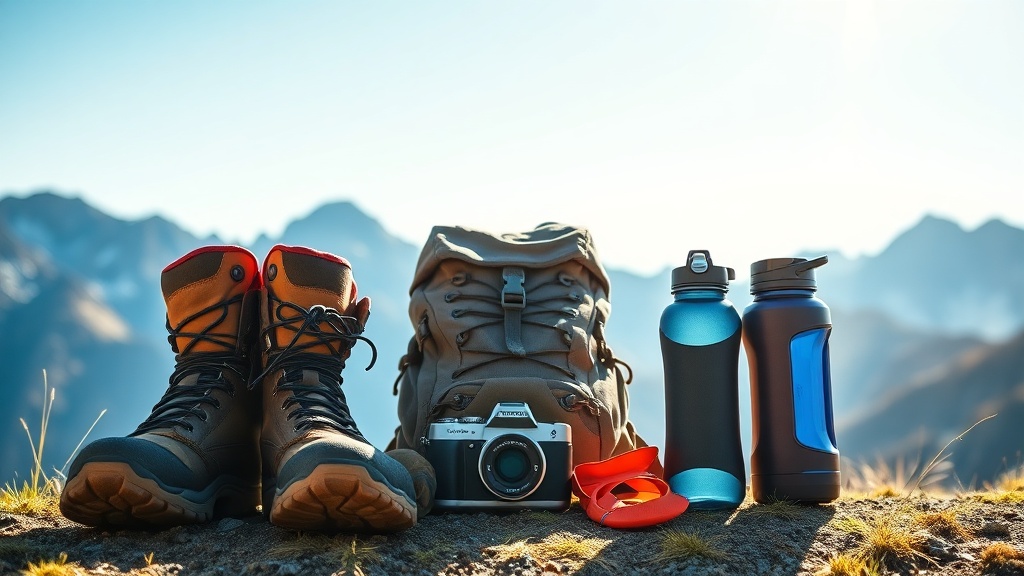
- Gear loss or damage — Your high‑end backpack, technical gear, and cameras can be worth $2,000+.
- Adventure sport coverage — Not all policies cover activities like ice‑climbing, scuba, or paragliding. Make sure the sport you’re doing is listed.
- Personal liability — If you accidentally damage a local guide’s equipment, you’re covered.
How much should I expect to pay for adventure travel insurance in 2026?
Pricing varies by trip length, destination risk, and the activities you’ll do. Here’s a quick rule of thumb I use:
- Domestic hikes (≤ 7 days) — $30–$50.
- International treks (7–21 days) with moderate risk — $70–$120.
- High‑risk multi‑country expeditions (≥ 21 days) — $150–$300.
These numbers come from the 2026 pricing tables on Squaremouth and the Insurance Information Institute. Adding sport‑specific riders (e.g., ice‑climbing) typically tacks on another $20–$50.
Which adventure insurance providers are worth my money in 2026?
After testing policies on my own Kilimanjaro climb, a Raja Ampat liveaboard, and a 14‑day Everest Base Camp trek, three companies consistently delivered on coverage, price, and claim speed.
1. World Nomads — The Flex‑Fit Choice
Why I like it: Simple online quote, broad sport list (including kite‑surfing and scuba), and a 24/7 claim hotline that actually answers. The World Nomads “Explorer” plan costs about $90 for a 14‑day South American trek.
- Coverage limit: $1 million medical.
- Gear protection up to $5,000.
- Cancel‑for‑any‑reason (CFAR) add‑on available.
2. Allianz Global Assistance — The Reliable Classic
Why I like it: Their “Adventure Stay‑Safe” policy has a reputation for fast claim payouts—my gear claim from the Patagonia W Trek was settled in 7 days. It’s a bit pricier ($130 for a 21‑day multi‑country trip) but the peace of mind is worth it.
- Coverage limit: $2 million medical.
- Gear coverage up to $7,500.
- Includes 24‑hour travel assistance hotline.
3. Travel Guard — The Budget‑Friendly Option
Why I like it: If you’re watching the budget (like for the $2,500‑under trips I wrote about), Travel Guard’s “Adventure” plan is the cheapest at $65 for a 10‑day trek, while still covering most sports.
- Coverage limit: $500,000 medical.
- Gear protection up to $3,000.
- CFAR add‑on starts at $25.
How do I pick the right policy for my specific adventure?
Use this three‑step decision tree:
- Map your activities. List every sport or high‑risk element (e.g., glacier travel, scuba). If a provider doesn’t list one, cross it off.
- Calculate your exposure. Add up gear value, medical costs in the destination, and any non‑refundable deposits. Choose a policy whose limits exceed that total by at least 20%.
- Compare claim processes. Look for 24/7 hotlines, online claim portals, and user reviews on claim speed. The faster the payout, the less you’ll be stuck without cash in remote areas.
When in doubt, I always run a quick side‑by‑side comparison using Squaremouth’s comparison tool. It spits out a table with coverage limits, exclusions, and price—all in one click.
What are the common pitfalls to avoid when buying adventure travel insurance?
- Assuming “standard” policies cover extreme sports. Always read the fine print for sport exclusions.
- Skipping the “pre‑existing condition” clause. If you have any health issues, disclose them before you buy; otherwise the claim could be denied.
- Forgetting the cancellation window. Some policies only cover cancellations up to 48 hours before departure—plan ahead.
- Ignoring local regulations. Certain countries (e.g., Nepal) require a minimum coverage amount for visas. Check the U.S. State Department travel advisory page for each destination.
Takeaway: Protect Your Adventure Without Breaking the Bank
Adventure travel insurance isn’t a luxury; it’s a safety net that lets you push boundaries without fear. Use the checklist above, compare World Nomads, Allianz, and Travel Guard, and you’ll land a policy that matches your budget and risk level. Now you can focus on the trail, the reef, or the summit—knowing you’ve got a fallback if things go sideways.
Need a quick reminder of the other basics? Check out my budgeting guide, the packing checklist, and the shoulder‑season cheat code for more money‑saving hacks.