
Adventure Trip Planning Checklist: 7 Things to Do Before You Book

Adventure Trip Planning Checklist: 7 Things to Do Before You Book
If you’re trying to plan a serious trip and still feel like your timing and budget are out of control, you need the right adventure trip planning checklist before you press “Book.”
You can book everything online in five minutes, but a real adventure still usually unravels in the first two weeks because we skipped the boring prep. I’ve learned the hard way that I can hike 20 miles a day, but I can’t compensate for a missing passport extension, a skipped vaccine window, or one bad assumption about baggage limits. This post is the practical framework I run when I’m choosing the next long trip.
Why does adventure planning fail even when the destination is perfect?
Most trips fail on two predictable things: document gaps and fake certainty.
I’ve seen people build a $4,000 trip around a package price and then discover they need a new passport, a visa appointment, a different travel card, or a medical requirement they didn’t schedule for. None of these are fun once you’re already mentally committed.
A solid adventure trip planning checklist avoids that panic by separating “I want to go” from “I can actually go.”
What should I check first: documents, visas, and risk alerts?
Before I compare prices, I confirm exactly what the destination requires. That single step prevents expensive false starts. The U.S. Department of State’s destination pages are where I start, then I use a two-part safety pair: advisories and STEP registration.
If you’re a U.S. traveler, check official warning levels before you buy anything (including insurance), because one security-level change can affect departure plans and support access. The State Department describes a four-tier advisory system, so you can see the risk level in context, not just headlines. If you’re traveling outside the U.S., signing up for STEP gives you consular alerts while you’re on the ground. According to the State page, STEP is a free service that sends email updates from embassies and consulates, which matters on long multi-country trips.
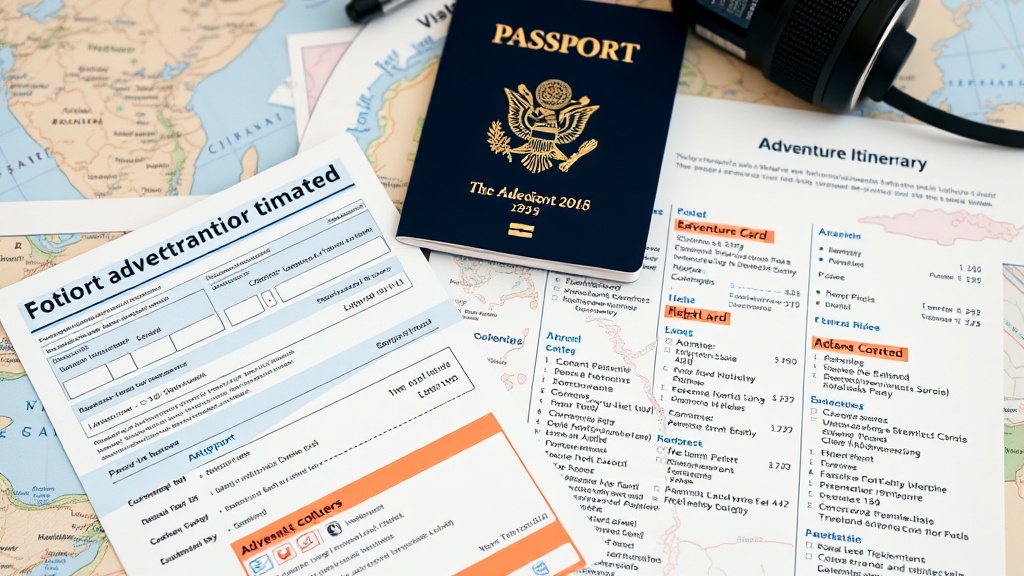
Also confirm passport and visa requirements now, even if you don’t need a visa today. Government pages list country-specific entry requirements, validity thresholds, and processing times, and these are exactly the fields that quietly change year to year.
Checklist actions:
- Verify passport expiration date and page space.
- Confirm whether your destination requires a visa, e-visa, or onward-connection documents.
- Enroll in STEP or note the emergency contact process.
- Save official embassy contact links in your trip notes.
What health steps should happen before travel, and when?
The fastest way to reduce risk is to block health prep 6–8 weeks before departure. CDC’s travel vaccine guidance is explicit: for many vaccines and medicines, lead time matters. Their page for travel vaccines says a pre-travel appointment 4–6 weeks before departure is a practical starting point. That gives you room for multi-dose series, not just a one-shot shot and hope.
I know this sounds boring until you realize the cost of “just one more booking” is far worse than losing 7 days to rescheduling.
Checklist actions:
- Contact your clinic or travel health specialist and map vaccine dates backward from your departure day.
- Review destination disease and medicine guidance on CDC pages by city/region.
- Check if malaria prophylaxis is needed and whether it changes with route timing.
- Make a digital and paper copy of immunization records.
How do I stop money leaks after booking?
The easiest part to control is budget discipline. The hardest part is saying yes to extras without admitting you’re creating debt pressure.
I usually split costs into three buckets before I say yes:
- Core costs: transport, lodging, guides, permits, park fees.
- Risk costs: travel insurance, baggage overage buffer, backup transport, and itinerary changes.
- Optional costs: premium room upgrades, specialty meals, souvenirs, and impulse upgrades.
Your core bucket is a line-item plan. Risk costs are your anti-panics line. Optional costs are what keep the dream fun, but they should be optional in the budget. If those two first buckets are not realistic, your trip will become a survival game.
For planning discipline, I use the following:
- Add a dedicated contingency line of 10–15% for weather, permit glitches, or transport delays.
- Keep one transfer rule: if a provider isn’t clear on what cancellation conditions cover force majeure, move on.
- Lock your base budget first, then allow add-ons only if your contingency still stays healthy.
This is the same logic behind my costed trip guides: realistic totals beat “starts at” prices because the plan has to work for people with real jobs and real budgets.
What should I pack for a long adventure without paying for needless baggage?
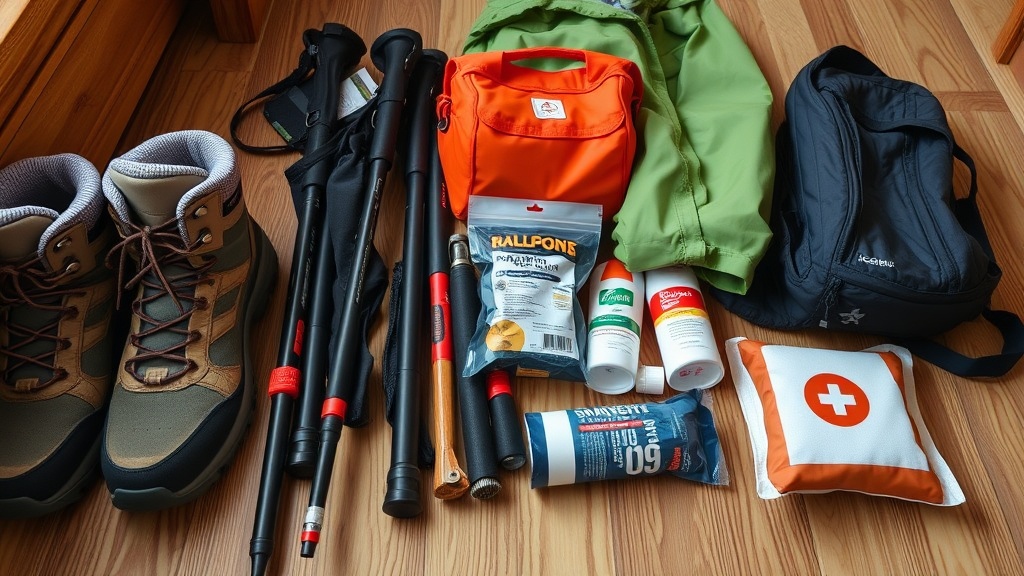
Baggage issues get expensive fast when people wait too late and pack on assumption. IATA’s baggage guidance is broad by carrier, but the practical read is simple: every airline can set different limits, so always confirm your exact allowance before purchase. A generic 23 kg (50 lb) checked-bag threshold is a common planning baseline in many global standards, but your route might differ.
Before checkout, I do this exactly:
- Compare checked, carry-on, and sports-gear allowances by route.
- Keep heavy, non-essentials out of carry-on; move them to checked baggage only if rules permit.
- Reweigh your daypack and luggage at home, not at the airline counter.
- Price an optional oversize/overweight policy and include it in your cost contingency.
What is the best order to run this before I click the booking button?
I run the checklist in this exact sequence so I never lose momentum.
1) Could this trip actually happen in the dates I picked?
Destination windows, transfer windows, and permit windows can all disagree. I check those first, then I lock a preferred booking window with 2 backup dates.
2) Is the health and documents stack complete?
Visa pages, vaccine schedule, and emergency registration get done before paying deposits.
3) Can the base budget sustain delays?
I add cancellation flexibility and contingency before I negotiate options.
4) Do I know what my no-go triggers are?
If weather windows become impossible or visa costs go above what I can absorb, I have a stop-early condition.
5) Can I communicate this plan in one sentence?
If I can’t explain it quickly to a teammate or spouse, it’s too fuzzy and likely to fail.
What mistakes should I avoid on the real booking day?
Even with preparation, these mistakes still happen.
- Overcommitting without confirmation: You booked 30% too early, and the legal requirements changed.
- Confusing “good enough” gear with “trip-safe” gear: especially for weather-exposed routes.
- Ignoring return logistics: airport timing, bag limits, and transfer buffers often break the budget.
- Skipping written comparisons: I keep screenshots or copies of at least three operator responses before finalizing.
How do you turn all of this into action on the first weekend?
Turn the checklist into a single shared doc and schedule three non-negotiable blocks:
- Saturday morning: passports, visas, STEP, advisories.
- Saturday afternoon: health appointments + vaccine docs.
- Sunday morning: budget lock + baggage plan + final operator comparison.
If this sounds familiar, good—that means you’re approaching this the right way. I’d rather have a calm, legal, and realistic trip than a rushed booking with hidden stress.
Need a quick comparison?
This framework pairs well with my pricing guides when you’re deciding where to spend your money:
- The Shoulder Season Cheat Code: 30-40% Off Adventure Trips
- The 8-Week Trek Training Plan I Use Before Every Big Trip
- Everest Base Camp Trek: The $3,247 14-Day Plan (2026 Prices)
Takeaway: What’s the single rule of adventure trip planning?
Book only what is clear enough to execute. If your trip has at least one open risk you can’t quantify, hold that decision until you can answer it. A real checklist protects the adventure so the excitement survives past checkout.
What are the most common trip readiness questions?
What is the biggest pre-booking step for an adventure trip?
Confirm official entry requirements and health requirements before paying deposits. That one step prevents most late-stage cancellations.
How far before departure should I schedule travel vaccines?
The CDC recommends making appointments well in advance; 4–6 weeks before departure is a solid target because some vaccines and medications need multiple doses.
Why should I use a contingency line in my trip budget?
A contingency fund protects against route changes, baggage fees, transfer delays, or permit complications without forcing expensive panic edits.
What do I do if I find conflicting government travel requirements?
Prioritize the most recent official source for your destination and confirm with the primary embassy or government pages before committing financially.
Sources:
- CDC travel vaccines (page last reviewed Feb 6, 2026)
- State Department travel advisories and destination information
- STEP enrollment program
- IATA passenger baggage rules