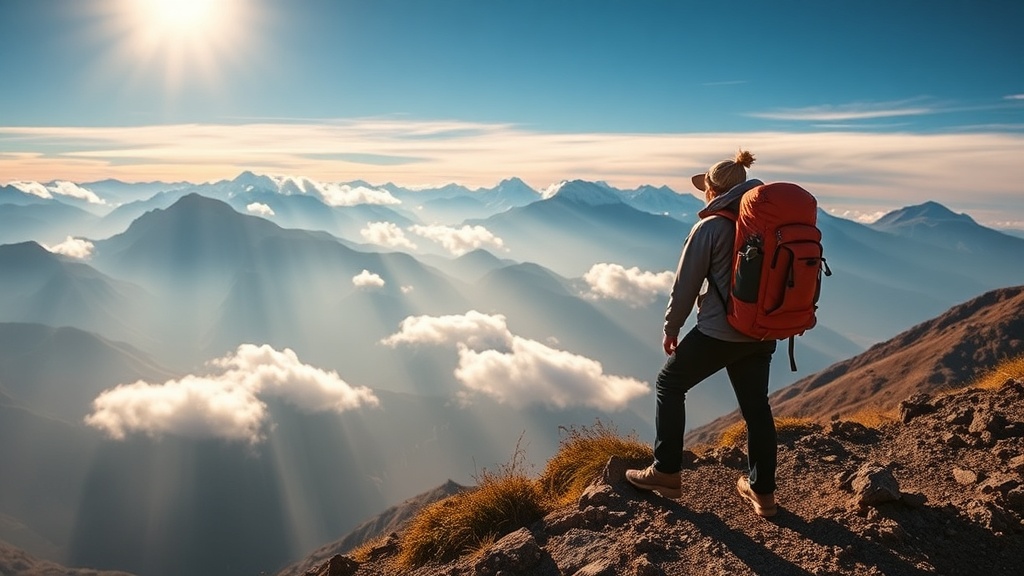
Beyond the Trail: Navigating the High Altitudes of the Peruvian Andes

The air at 4,200 meters above sea level in the Ausangate region of the Peruvian Andes does not just feel thin; it feels sharp. At this altitude, every single breath requires a conscious, deliberate effort of the diaphragm. You are standing on a narrow switchback, your heart rate is elevated even while standing still, and the temperature has just dropped ten degrees because a cloud bank rolled over the glacial peaks. This isn't the controlled environment of a gym treadmill; this is the physiological reality of high-altitude trekking where oxygen saturation levels can drop significantly if you aren't prepared.
Navigating the Andes requires more than just physical fitness. It requires a systematic approach to acclimatization, gear selection, and logistical planning. Whether you are targeting the classic Inca Trail to Machu Picchu or the more rugged Salkantay Trek, the variables of altitude, unpredictable weather, and rugged terrain remain constant. This guide breaks down the technical requirements for a successful expedition into the high Andes.
The Physiology of Altitude: Acclimatization Protocols
The primary obstacle in the Andes is Acute Mountain Sickness (AMS). Unlike a typical hiking trip, your success here is dictated by how your body processes decreasing partial pressures of oxygen. You cannot out-train altitude; you can only adapt to it. To mitigate the risks of headaches, nausea, and extreme fatigue, implement a staged ascent strategy.
The Rule of Gradual Ascent: If you are traveling from sea level (like Lima) to Cusco (3,399m), do not attempt a high-altitude trek immediately. Spend at least 48 to 72 hours in Cusco first. This allows your body to begin producing more red blood cells. If you feel symptoms of AMS, the only cure is descent. Do not rely on "pushing through" the pain, as this can lead to more severe conditions like HAPE (High Altitude Pulmonary Edema) or HACE (High Altitude Cerebral Edema).
Hydration and Nutrition: At high altitudes, you lose moisture rapidly through respiration. Aim for 3 to 4 liters of fluid per day. Use electrolyte tablets, such as Nuun or Liquid I.V., to ensure you aren't just flushing your system with plain water, which can lead to hyponatremia. Focus on high-carbohydrate foods; your body utilizes carbohydrates more efficiently than fats when oxygen is scarce. Carry snacks like dried mango, nuts, and energy bars to maintain a steady glucose level during steep ascents.
Technical Gear Requirements: Layering for Microclimates
The Andes are notorious for "four seasons in one day." You might start a trek in a t-shirt in a sun-drenched valley and end the afternoon shivering in a freezing downpour at a mountain pass. A modular layering system is non-negotiable. Relying on a single heavy jacket is a mistake; you need to manage moisture and heat dynamically.
- Base Layers: Use moisture-wicking synthetic or Merino wool (such as Icebreaker or Smartwool). Avoid cotton at all costs; once cotton gets wet from sweat or rain, it stays cold and heavy, which can lead to hypothermia.
- Mid-Layers: A lightweight fleece or a specialized "active insulation" piece like the Patagonia Nano Puff is essential. This traps heat while remaining breathable during movement.
- Outer Shell: A high-quality GORE-TEX or similar waterproof/breathable shell is your primary defense against the Andean wind and rain. Ensure it has pit zips to allow for ventilation during high-exertion climbs.
- Footwear: You need a mid-to-high cut trekking boot with a stiff sole for stability on uneven, rocky paths. Brands like Lowa or Salomon offer boots with Vibram soles that provide the necessary grip on slippery Andean scree.
Because weight management is critical when every gram feels heavier at altitude, you should prioritize mastering packable gear for long-distance trekking to ensure your kit is efficient without being cumbersome.
Logistics and Budgeting: The Real Cost of an Andean Expedition
Many travelers make the mistake of booking "budget" treks that cut corners on safety and nutrition. In the Andes, your guide and your muleteer (arrieros) are your most important assets. A cheap trek often means subpar food, insufficient oxygen supplies, and unreliable guides. When calculating your budget, look beyond the sticker price of the tour.
The Breakdown of Costs:
- The Trek Package: A high-quality 4-to-5-day trek (like the Salkantay or Lares) typically ranges from $500 to $800 USD. This should include professional guides, porters, tentage, and high-quality meals.
- Internal Flights: Flying from Lima to Cusco typically costs between $80 and $150 USD via LATAM or Sky Airline. Book these well in advance to avoid price spikes.
- Permits and Entry Fees: The Inca Trail requires a permit that can sell out months in advance. The Machu Picchu entry fee is separate from most trekking packages. Always verify if your trek price includes the Machu Picchu entrance fee.
- Tips: It is standard practice to tip your porters and cooks. Budget approximately $1 to $2 USD per person, per day for the crew. This is a vital part of the local economy and ensures a respectful relationship with your support team.
Navigation and Terrain Management
The terrain in the Andes is a mix of well-maintained stone paths (on the Inca Trail) and loose, unpredictable mountain passes (on the Salkantay or Ausangate circuits). Navigation requires constant attention to foot placement and pace.
The "Rest Step" Technique: To manage steep inclines without redlining your heart rate, use the "rest step." As you step up, lock your rear leg for a fraction of a second to allow your skeleton to bear the weight rather than your muscles. This momentary pause allows for a brief recovery of breath and prevents premature exhaustion.
Managing Descent: Most injuries in the Andes occur during the descent. Your knees take a massive amount of impact as you move down from high passes like Abra Malaga. If you are trekking long distances, I highly recommend using lightweight trekking poles, such as the Black Diamond Alpine Carbon Cork. These provide three points of contact, significantly reducing the load on your patella and helping with balance on loose scree.
Environmental Stewardship and Ethics
The Andean ecosystems are fragile. The high-altitude tundras and glacial runoff areas are easily damaged by human presence. Following "Leave No Trace" principles is not just a suggestion; it is a requirement for preserving these landscapes for future expeditions.
Pack out everything you carry in. This includes organic waste like fruit peels, which do not decompose quickly in the cold, high-altitude environment. When using sanitation facilities on long-distance treks, ensure you are following the specific protocols provided by your trekking company to prevent contaminating local water sources used by Andean communities. Respecting the local Quechua-speaking populations is equally important. Always ask permission before taking photographs of local residents or their livestock, and engage with the culture through respectful, informed interaction.
By treating the Andes with the technical respect they demand, you move from being a mere tourist to a capable trekker. Whether you are staring up at the peaks of the Cordillera Vilcabamba or navigating the valleys of the Sacred Valley, preparation is the difference between a grueling struggle and a life-changing experience.