Budgeting for a Sustainable High-Altitude Trek in the Himalayas

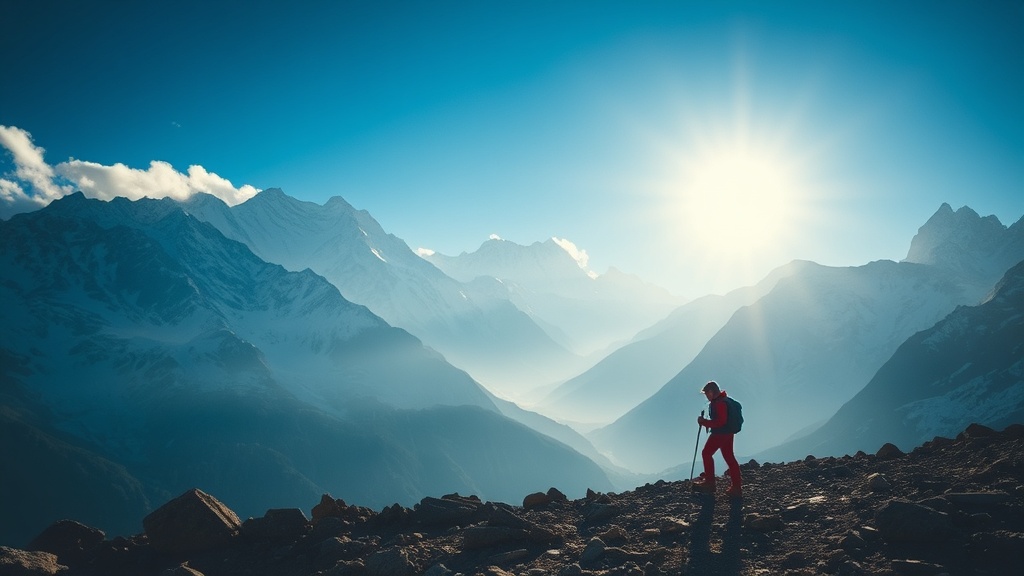
Picture this: You're standing at 5,000 meters in the Khumbu Valley. The air is thin, your lungs feel tight, and the only sound is the distant crack of a glacier shifting. You’ve spent months planning, but now you're staring at a local logistics bill and wondering if your math actually held up. For a professional with a career and a finite amount of PTO, a Himalayan trek isn't just a trip—it's a high-stakes investment of time and capital. This breakdown looks at the actual numbers behind a high-altitude expedition in Nepal, focusing on how to do it without wrecking the local ecosystem or your bank account.
When I left my engineering desk, I realized most people overpay for adventure because they don't understand the moving parts. In the Himalayas, you aren't just paying for a flight; you're paying for porterage, local permits, high-altitude logistics, and the increasing cost of sustainable infrastructure. We're looking at a 14-day trek through the Everest region, specifically looking at the costs of a responsible, low-impact approach.
What does a trekking permit in Nepal cost?
Permits are the first thing you'll hit. You can't just walk into the mountains; you need legal clearance. For the Everest region (Khumbu), you'll need the Khumbu Pasang Lhamu Rural Municipality permit and the Sagarmatha National Park permit. These aren't just checkboxes; they are the funds that help maintain the trails and protect the wilderness.
- Khumbu Local Permit: Roughly NPR 2,000 (approx. $15 USD).
- Sagarmatha National Park Fee: Roughly NPR 3,000 (approx. $23 USD) for foreign travelers.
- TIMS Card: While many regions have moved away from the standard TIMS, certain trekking areas still require specific registration fees.
Keep in mind that these prices fluctuate based on local government decisions. I always suggest keeping a buffer of at least $100 in cash just for these administrative hurdles. It's better to have it and not need it than to be stuck at a checkpoint with a dry wallet.
How much should I spend on a trekking guide and porters?
This is where your "adventure budget" meets reality. You might be tempted to go solo to save a few bucks, but in the Himalayas, a guide isn't just a luxury—it's a safety mechanism. A quality guide knows the weather patterns and the subtle signs of altitude sickness that a laptop-bound professional might miss.
A decent guide will cost you anywhere from $25 to $40 per day. A porter, who carries your heavy gear so you can focus on the movement, typically costs about $20 to $25 per day. If you're part of a small group, you can split these costs, which makes a massive difference in your total expedition-wide spend. Don't skimp on the quality of your crew. A well-compensated guide is more likely to notice a change in your breathing or a crack in the trail before it becomes a problem.
I've seen many people try to "DIY" their way through the mountains with just a backpack and a map. While it's possible, it often ignores the reality of local impact. Hiring local staff supports the mountain communities and ensures your presence contributes to the local economy rather than just extracting from it. This is a core part of low-impact travel—ensuring the money stays in the valleys you're walking through.
What is the real cost of gear and high-altitude food?
Food in the mountains is a logistical nightmare. Everything—from the lentils in your dal bhat to the coffee in your mug—is carried up by human power or yaks. This drives prices up significantly as you gain altitude.
| Item | Estimated Cost (Per Day) | Notes |
|---|---|---|
| Basic Meals (Dal Bhat/Pasta) | $10 - $15 | High calorie, high protein is a must. |
| Snacks/Energy Bars | $5 - $10 | key for mid-day boosts. |
| Water/Tea/Coffee | $3 - $5 | Avoid single-use plastics; use a filter. |
When it comes to gear, don't buy the cheapest option you find on a discount site. High-altitude trekking requires gear that actually performs. If your down jacket isn't rated for sub-zero temperatures, you're in trouble. I've spent way too much time in cold tents because I tried to save $50 on a sleeping bag. Instead, look for brands that prioritize durability and repairability. A piece of gear that lasts ten years is much more sustainable than a cheap one that ends up in a landfill after one trip. Check out REI or Patagonia for gear that aligns with a more conscious, long-term approach to the outdoors.
One thing to watch out for: the "plastic trap." As you climb, the amount of trash left behind by trekkers increases. To keep your footprint small, carry a high-quality water filtration system like a Katadyn or a Grayl. This eliminates the need for hundreds of plastic bottles, which is a massive win for the local ecosystem and your budget simultaneously. It's a small change that makes a massive difference in the long run.
The total cost for a 14-day trek, including permits, food, local logistics, and a guide/porter, usually lands between $1,500 and $2,500 (excluding international flights). This is a significant chunk of change, but when you break it down per day, it's a manageable investment for a life-changing experience. You aren't just buying a walk in the woods; you're funding a complex, high-altitude logistics chain that supports thousands of families in the Nepal region.