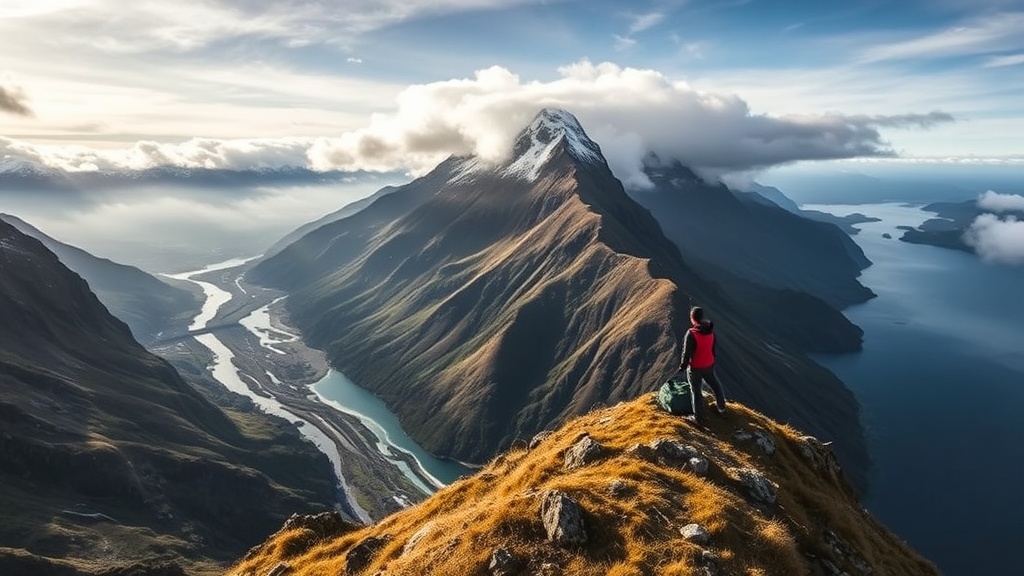
Conquering New Zealand: The Ultimate Adventure Travel Guide for Thrill Seekers

Why New Zealand Belongs at the Top of Every Adventure Bucket List
This guide breaks down everything required to plan a high-adrenaline trip through New Zealand: specific adventure activities with 2024 pricing, realistic daily budgets, transportation logistics between the North and South Islands, and sample itineraries optimized for travelers with limited vacation days. Whether the goal is bungee jumping in Queenstown, hiking the Tongariro Alpine Crossing, or glacier trekking on the West Coast, New Zealand delivers world-class thrills without requiring a sabbatical or six-figure savings account.
What Makes New Zealand the Adventure Capital of the World
New Zealand compresses more diverse terrain into its landmass than almost any country on Earth. Snow-capped mountains sit two hours from subtropical beaches. Dense rainforests neighbor alpine deserts. Active volcanoes rumble near world-class wine regions. This geographic lottery means travelers can surf, ski, skydive, and scuba dive within the same week—often without changing accommodation bases.
The country also operates under a strict safety framework. Commercial adventure operators must comply with WorkSafe New Zealand regulations, and the industry maintains high equipment standards. Between 2019 and 2023, the fatal incident rate for commercial adventure activities in New Zealand was 0.8 per 100,000 participants—lower than similar industries in Switzerland and Canada.
When to Go: Balancing Weather, Crowds, and Costs
Timing significantly impacts both experience quality and budget. New Zealand's seasons run opposite to the Northern Hemisphere:
- December–February (Summer): Peak season. Daylight extends until 9:30 PM. The Tongariro Alpine Crossing and Milford Track require bookings months in advance. Accommodation in Queenstown averages NZD $280–400 per night for mid-range hotels.
- March–May (Autumn): Shoulder season. Temperatures remain mild (15–20°C), and crowds thin considerably. Hotel rates drop 30–40%. This window offers the best value for hiking and cycling.
- June–August (Winter): Ski season. Queenstown and Wanaka host the Southern Hemisphere's best powder. Lift passes run NZD $150–180 daily. Adventure operators offering skydiving and jet boating remain open, though some high-country hiking tracks close due to snow.
- September–November (Spring): Unpredictable weather, but wildlife viewing peaks. Whale watching in Kaikōura hits 95% sighting rates for sperm whales. Accommodation prices remain 20% below summer peaks.
The North Island: Volcanoes, Caves, and Coastal Adventures
Auckland and the Coromandel Peninsula
Most international flights arrive at Auckland Airport (AKL). Rather than lingering in the city, experienced adventurers head straight to the Coromandel—90 minutes east. Cathedral Cove (Te Whanganui-A-Hei) offers sea kayaking tours at NZD $95 for three hours. The nearby Hot Water Beach allows visitors to dig personal hot tubs in the sand during low tide (free, but shovel rental costs NZD $10).
Rotorua: Geothermal Landscapes and Adrenaline
Rotorua sits atop the Pacific Ring of Fire. The region combines geological spectacle with hardcore adventure:
- White Water Rafting: The Kaituna River features the world's highest commercially rafted waterfall (7 meters). River Rats charges NZD $105 for the three-hour trip including transport and BBQ lunch.
- Zorbing: The sport originated here. A wet or dry ride down grassy slopes costs NZD $55–75 at the OGO Rotorua facility.
- Skydiving: Skydive Rotorua offers jumps from 15,000 feet with views over Lakes Rotorua, Rotoiti, and Tarawera. Cost: NZD $449 including photo/video package.
Tongariro National Park
The Tongariro Alpine Crossing ranks as New Zealand's most popular day hike—and for good reason. The 19.4-kilometer track crosses active volcanic terrain, passes Emerald Lakes with their surreal mineral coloring, and requires 7–8 hours to complete. The Department of Conservation (DOC) charges no entry fee, but shuttle transport from either end costs NZD $45–60. During summer (November–April), the crossing accommodates 700+ hikers daily. In winter, ice axes and crampons become mandatory; guided crossings with Adrift Outdoors run NZD $195 including equipment.
Winter visitors should also consider the Mount Ruapehu ski fields. Whakapapa and Turoa offer 1,000+ hectares of skiable terrain. A full-day pass costs NZD $159, with equipment rental adding another NZD $65.
The South Island: Where the Real Adventure Begins
Abel Tasman and Nelson
The Abel Tasman Coast Track represents one of New Zealand's Great Walks, but adventure travelers often skip the multi-day hike in favor of sea kayaking combined with water taxi transport. Wilsons Abel Tasman offers a full-day guided kayak tour (NZD $195) that covers 12 kilometers of coastline, visiting seal colonies and secluded beaches inaccessible by foot.
West Coast Glaciers
Franz Josef and Fox Glaciers descend to near sea level—rare phenomena globally. The Franz Josef Glacier Guides heli-hike (NZD $499) includes a scenic helicopter flight to the upper icefall followed by two hours of guided trekking through ice caves and blue crevasses. Weather cancellation rates run approximately 30%, so booking a two-night minimum in Franz Josef village improves success odds.
For budget-conscious travelers, the Terminal Face Walk to the glacier viewpoint requires no guide and costs nothing. However, retreating ice means the face now sits 45 minutes' walk from the car park, and barriers prevent close access due to rockfall hazards.
Queenstown: The Adrenaline Epicenter
No adventure itinerary skips Queenstown. This lakeside town of 16,000 residents processes over 2 million adventure bookings annually.
Bungee Jumping: A.J. Hackett operates three sites. The Kawarau Bridge Bungy (43 meters) costs NZD $235. The Nevis Bungy, New Zealand's highest at 134 meters, runs NZD $315. The Nevis Swing—the world's biggest swing—costs NZD $255 and reaches speeds of 120 km/h in a 300-meter arc.
Skydiving: NZone Skydive offers jumps from 9,000, 12,000, and 15,000 feet. The 15,000-foot option (NZD $479) provides 60 seconds of freefall with views across Lake Wakatipu to Mount Aspiring National Park.
Canyoning: The Routeburn Canyon with Canyoning Queenstown involves abseiling down waterfalls, zip-lining, and jumping into pools. Full-day trips cost NZD $279 and operate November through April.
Jet Boating: Shotover Jet runs 25-minute trips through the narrow Shotover River canyons at speeds reaching 85 km/h. Cost: NZD $169. The experience lasts under an hour, making it efficient for tight schedules.
Milford Sound and Fiordland
Milford Sound receives rain 182 days annually, but precipitation creates the dramatic waterfalls that define the landscape. Real Journeys operates kayak tours (NZD $139 for four hours) that paddle beneath 155-meter Stirling Falls. Overnight cruises on the Milford Mariner start at NZD $699 including meals and accommodation—worth considering since day-trippers face an 8-hour round-trip drive from Queenstown.
The Milford Track, often called "the finest walk in the world," requires four days and bookings through DOC's Great Walks system. Hut passes cost NZD $240, but transport to/from the trailheads adds another NZD $300. Independent walkers must book 4–6 months ahead for the October–April season.
Transportation: Getting Around Without Breaking the Budget
New Zealand's sparse population (5.2 million across 268,000 square kilometers) makes public transport impractical for adventure-focused itineraries. Options break down as follows:
- Rental Car: Jucy and Spaceships offer compact campervans starting at NZD $65 daily during shoulder season, rising to NZD $140 in summer. Fuel costs approximately NZD $2.40 per liter. The Interislander ferry connecting Wellington (North Island) to Picton (South Island) costs NZD $65–75 per vehicle plus NZD $59 per passenger.
- Domestic Flights: Air New Zealand and Jetstar operate frequent routes. Auckland to Queenstown flights start at NZD $89 if booked 2–3 months ahead. Checked baggage (essential for adventure gear) adds NZD $30–50 per leg.
- Bus Passes: InterCity's FlexiPass offers hop-on-hop-off travel. A 20-hour pass costs NZD $159. While cheaper than driving, bus schedules limit early morning adventure starts and remote access.
Real Budgets: What Two Weeks Actually Costs
Based on 2024 pricing, here are realistic budgets for a 14-day trip excluding international flights:
Budget Adventure (NZD $2,800 / USD $1,700): Hostel dorm beds (NZD $35/night), supermarket self-catering (NZD $40/day), two major activities (bungee + skydive), InterCity bus pass, basic car rental for South Island only.
Mid-Range Explorer (NZD $5,500 / USD $3,300): Mid-range hotels or private hostel rooms (NZD $140/night), mixed dining (NZD $80/day), rental car for full trip, 4–5 paid activities (rafting, glacier heli-hike, jet boat, canyon swing), Milford Sound overnight cruise.
Comfort Adventure (NZD $9,000+ / USD $5,400+): Boutique lodges (NZD $280+/night), restaurant dining, guided multi-day hikes, private tours, helicopter transfers where available.
Practical Tips for Working Professionals
Most travelers have 10–14 days of vacation. An efficient routing maximizes adventure time while minimizing transit:
- Arrive Auckland, immediate domestic flight to Queenstown (saves two days driving).
- Base in Queenstown for 4–5 days: bungee, skydiving, canyon swing, day trip to Milford Sound.
- Drive to Wanaka (1 hour) for hiking (Roy's Peak, Isthmus Peak) and potentially more skydiving if weather canceled Queenstown jumps.
- Continue to Franz Josef (4 hours) for glacier activities.
- Ferry crossing to Wellington, then drive Rotorua (4 hours) for geothermal and rafting experiences.
- Depart from Auckland.
Pack layers regardless of season. Mountain weather changes rapidly, and hypothermia poses real risks even in summer. Merino wool base layers work better than cotton. Sturdy hiking boots with ankle support are non-negotiable for the Tongariro Crossing.
Book DOC Great Walk huts and Milford Sound accommodation 4–6 months ahead for summer travel. Commercial adventure activities can typically be booked 2–3 weeks ahead, though the most popular slots (sunrise skydives, first bungee slots) fill faster.
The Bottom Line
New Zealand rewards travelers who arrive with specific goals and realistic budgets. A two-week trip focusing on 4–5 major adventure activities, mid-range accommodation, and rental car transport runs approximately NZD $5,000–6,000 per person. That's comparable to a week at a mid-tier Caribbean resort—but instead of poolside lounging, the return includes jumping from 134 meters above the Nevis River, standing atop an active volcano, and swimming with dusky dolphins in Kaikōura.
The logistics require planning, particularly for working professionals squeezing maximum experience into limited time. But New Zealand's combination of safety standards, infrastructure, and concentrated natural drama makes it the most efficient adventure destination on Earth. Start with the Kawarau Bridge bungee. End with a sunrise hike up Roy's Peak. Everything in between writes itself.