Eco‑Friendly Easter Egg Dyeing: Natural Ingredients for a Zero‑Waste Spring Celebration

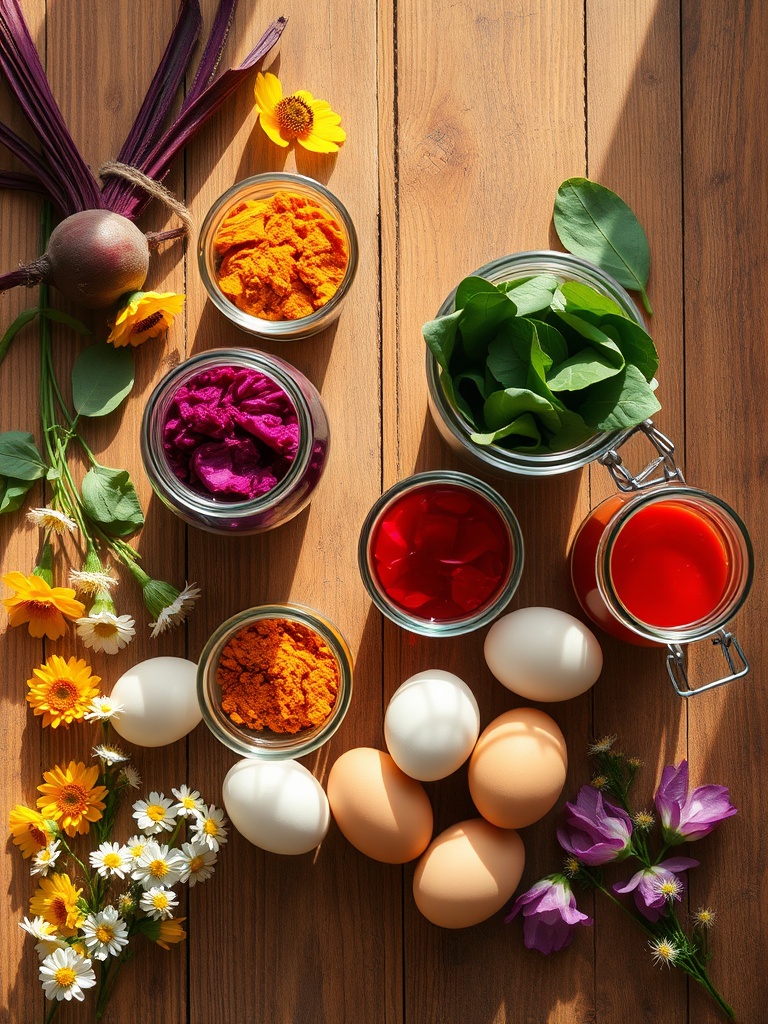
Want a vibrant Easter egg hunt without the plastic waste? You can swap chemical dyes for kitchen scraps and still get eye‑catching colors that last. Let’s turn beetroot, turmeric, red cabbage, and spinach into a rainbow of sustainable hues.
What ingredients can I use for natural Easter egg dyes?
Nature offers a palette of pigments that are safe, edible, and readily available in most kitchens. Here’s a quick cheat‑sheet:
- Beetroot — deep pink to ruby red
- Turmeric — bright golden yellow
- Red cabbage — shades from soft lavender to deep navy (add a splash of vinegar for bluer tones)
- Spinach — fresh green (add a pinch of baking soda for brighter hue)
- Onion skins — orange to amber
- Coffee or tea — earthy browns
All you need are the veggies, a pinch of good quality vinegar, water, and a few basic kitchen tools.
How do I prepare the natural dye baths?
Follow these steps for consistent color intensity:
- Boil the pigment source: Chop the vegetable or fruit (e.g., 1 cup beetroot) and simmer in 2 cups of water for 15‑20 minutes.
- Add vinegar: Stir in 1 tablespoon white vinegar per cup of water — it helps the dye bond to the eggshell’s calcium.
- For greener shades, add a pinch of baking soda after the vinegar.
- Strain: Remove solids with a fine‑mesh sieve; you’ll be left with a clear, colored liquid.
- Adjust intensity: If the color is too faint, add more pigment source or simmer longer; if it’s too dark, dilute with a splash of water.
- Cool the bath: Let the dye reach room temperature before dunking the eggs — hot water can cause cracks.
What are the best techniques for vibrant colors?
Egg preparation matters as much as the dye itself:
- Use fresh, white eggs — the smoother the shell, the more even the color.
- Hard‑boil first. Boil for 9‑10 minutes, then cool in an ice bath to stop cooking.
- Leave the shell unpolished. A natural, slightly porous shell absorbs dye better.
- Soak longer for deeper hues. Some dyes need 30 minutes, others up to 2 hours.
- Use a spoon or tongs to keep hands clean; avoid splashing dye onto surfaces.
How can I reuse egg holders and minimize waste?
Traditional plastic egg cartons are a no‑go for a zero‑waste Easter. Here are three reusable alternatives:
- Reusable silicone egg trays — dishwasher‑safe and stackable.
- Egg‑shell nest molds made from reclaimed cardboard (cut a shallow box, line with parchment paper).
- Egg‑holder baskets from natural fibers like wicker or bamboo, which double as décor for the hunt.
When the hunt is over, wash the silicone trays or compost the cardboard nest. Read more eco‑friendly clean‑up tips to keep the celebration waste‑free.
What low‑waste Easter egg hunt ideas can I try?
Take the sustainability theme beyond the dyes:
- Outdoor “nature‑hunt”: Hide eggs in a local park or trail and pair each find with a quick nature fact. Great for a micro‑adventure with kids.
- Reusable clue cards: Write riddles on reusable whiteboard sheets instead of paper.
- Check out our Spring Microadventures guide for trail‑friendly locations.
- Egg‑exchange: After the hunt, participants swap eggs and share the story behind each color — no extra packaging needed.
Takeaway
Natural dyes let you celebrate Easter with a burst of color and a clear conscience. By using kitchen scraps, reusable trays, and outdoor hunt ideas, you cut plastic waste, save money, and add an adventurous twist to a classic tradition. Grab a pot, a few veggies, and start your eco‑friendly egg‑dyeing adventure today.