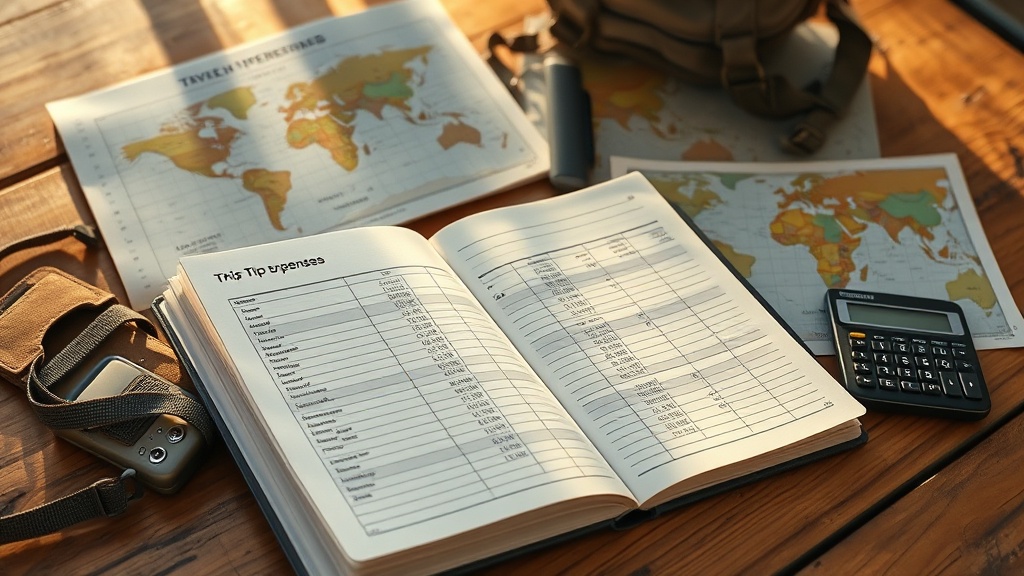
How to Budget Your Adventure Trip: Step-by-Step Guide

Hook
Ever stared at a mountain of receipts and wondered how much your next adventure will actually cost? You're not alone. Adventure travel budgeting can feel like a puzzle, but with the right process you’ll never be caught off‑guard.
Context
Planning an epic trek, dive, or safari isn’t just about picking a destination—it's about knowing the real dollars you’ll spend. As a former Intel engineer turned adventure planner, I’ve learned to treat every trip like a project budget, breaking down each line item to keep the experience thrilling, not financially stressful.
What You’ll Need
- A spreadsheet or budgeting app (Google Sheets, Excel, or Mint)
- Rough dates and destination ideas
- Access to flight, accommodation, and activity price data
- A calculator (or your phone’s built‑in one)
- A clear idea of your total budget range
Step‑by‑Step Adventure Travel Budgeting
Define Your Total Budget Range
Decide the maximum you’re willing to spend. I usually aim for $2,000‑$5,000 per person for multi‑day trips. This anchors every subsequent decision.
Break Down Major Expense Categories
| Category | Typical % of Total | Example Costs |
|---|---|---|
| Flights | 30‑45% | $600‑$1,200 (round‑trip) |
| Accommodation | 20‑30% | $400‑$900 (hostels, lodges) |
| Guides & Permits | 10‑15% | $150‑$400 |
| Gear & Rentals | 5‑10% | $100‑$300 |
| Food & Drink | 5‑10% | $150‑$400 |
| Miscellaneous (insurance, visas) | 5‑10% | $100‑$250 |
| Use these percentages as a starting point, then adjust based on your destination’s cost profile. |
Research Real‑World Prices
- Flights: Use Google Flights, Skyscanner, or Kayak. Set price alerts 2‑3 months before departure.
- Accommodation: Check Hostelworld, Booking.com, or local guesthouse sites. Look for discounts on longer stays.
- Guides & Permits: Visit official park websites (e.g., Patagonia National Park) for up‑to‑date fees.
- Gear Rentals: Search local outfitters; many offer package deals.
- Insurance: Compare coverage on WorldNomads or SafetyWing.
Populate Your Spreadsheet
Create columns for Item, Estimated Cost, Actual Cost, and Notes. Enter the numbers you gathered. I like to color‑code: green for under budget, yellow for close, red for over.
Add a Contingency Buffer
Allocate 5‑10% of the total for unexpected expenses (e.g., extra gear, emergency transport). This protects you from overspending.
Track and Update
As you book flights or secure permits, replace estimates with actual costs. Watch the variance column—if you’re trending high, revisit lower‑cost options (e.g., alternative routes or hostels).
Pro Tips
- Book Flights in Incognito Mode to avoid price hikes based on cookies.
- Leverage Credit Card Travel Rewards for free flights or hotel points.
- Bundle Guides with Accommodation—many operators offer discounts when you book both together.
Common Mistakes & Fixes
- Skipping Visa Fees – always check the latest entry requirements on the official embassy site.
- Under‑estimating Food Costs – factor in meals at local restaurants, not just groceries.
- Ignoring Currency Exchange Fees – use cards with no foreign transaction fees; budget a small buffer for rate fluctuations.
Wrap‑Up
You now have a repeatable, data‑driven method to budget any adventure trip. Plug in your numbers, adjust the percentages for your specific destination, and you’ll walk into the wilderness with confidence—not a credit‑card panic attack.
Take the next step: Grab my free adventure budgeting template (link below) and start planning your next big escape today.
Resources
- World Nomads Travel Insurance – comprehensive coverage for adventure activities.
- Skyscanner Flight Search – best for spotting cheap international routes.
- Mint Personal Finance App – easy way to track your travel expenses on the go.
- Patagonia National Park Fees – official source for permits and guide costs.
Related Reading
- Adventure Travel Packing Checklist 2026: What to Bring – ensure you have the right gear within budget.
- Affordable Adventure Trips 2026: 5 Epic Destinations Under $2,500 – see cost‑effective destinations you can fit into your budget.
- Last‑Minute Adventure Travel Deals 2026: How to Grab the Best Savings – learn where to find steep discounts if you’re flexible on dates.
<meta.faqs>
[
{"question": "How much should I budget for flights on an adventure trip?", "answer": "Flights typically consume 30‑45% of your total budget; for a $3,000 trip, expect $900‑$1,350 for round‑trip airfare."},
{"question": "Do I need travel insurance for adventure activities?", "answer": "Yes—most adventure activities are high‑risk. Providers like World Nomads specialize in coverage for trekking, scuba, and more."},
{"question": "What’s a good contingency buffer for unexpected costs?", "answer": "Add 5‑10% of your total budget as a safety net; for a $4,000 trip, set aside $200‑$400."}
]
</meta.faqs>