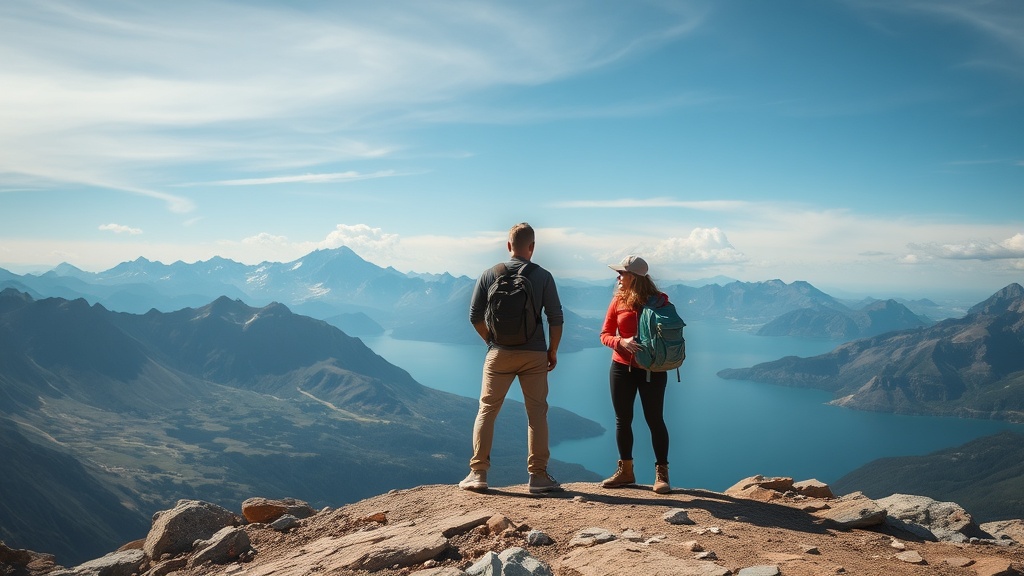
How to Plan Your First Epic Adventure Vacation Without the Stress

Planning a serious adventure vacation—think trekking in Nepal, diving the Great Barrier Reef, or climbing Kilimanjaro—can feel like trying to organize a military operation while juggling spreadsheets and gear catalogs. This post breaks down exactly how to research, budget, and execute a trip that matches the epic stories on Instagram without the meltdowns that usually precede them. You'll get a step-by-step framework for choosing destinations, booking logistics, and packing smart so the adventure starts on day one, not day three when you realize you forgot a critical piece of gear.
How Much Should You Actually Budget for an Adventure Vacation?
Most people underestimate adventure travel costs by about 30-40%. A Kilimanjaro summit, for example, runs $2,000-$3,500 for the climb alone—before flights, gear, tips, and the safari you'll inevitably tack on. The real number depends on three variables: destination remoteness, activity complexity, and seasonality.
Here's the thing—luxury lodges aren't the only budget killers. Hidden costs ambush first-timers: evacuation insurance ($200-400), equipment rentals ($50-80/day for scuba gear), visa fees, and local guide tips (10-15% of trip cost). A week in Iceland costs roughly $3,500-5,000 per person. Patagonia? Closer to $4,000-6,000. Bhutan actually enforces a minimum daily rate—$200-250 depending on season—which covers accommodation, food, transport, and guides.
| Destination | Duration | Estimated Budget (Mid-Range) | Biggest Cost Driver |
|---|---|---|---|
| Inca Trail, Peru | 7 days | $2,500-4,000 | Permit fees ($700+) |
| Iceland Ring Road | 10 days | $3,500-5,500 | Car rental ($100/day) |
| Kilimanjaro, Tanzania | 8 days | $4,000-6,500 | Park fees ($1,000+) |
| New Zealand South Island | 14 days | $4,500-7,000 | Activity costs ($200-400/day) |
Budget for the trip you want, not the trip you hope costs less. Book with operators who break down every expense upfront—companies like Intrepid Travel and G Adventures publish detailed inclusions lists. That said, never skimp on evacuation insurance. Global Rescue or World Nomads cover helicopter evacuations that can otherwise cost $50,000-100,000.
What Gear Do You Actually Need to Buy Versus Rent?
Buy only what you'll use three or more times per year—everything else, rent or borrow. First-timers routinely drop $2,000 on gear for a single trip, then watch it collect dust. Smart adventurers build a modular kit over time.
Start with the foundation layer: a quality backpack (Osprey Atmos AG 65 or Gregory Baltoro 65, $250-350), broken-in hiking boots (Merrell Moab 3 or Salomon Quest 4D, $150-250), and merino base layers (Smartwool or Icebreaker, $80-120 each). These travel with you everywhere. Rent the expedition-specific equipment: -20°F sleeping bags for high-altitude climbs, four-season tents for winter camping, or dive computers for certification courses.
The catch? Rental gear varies wildly in quality. A -20°F bag in Cusco might have seen 200 climbers before you. Check gear condition before leaving town. For Kilimanjaro, operators like Thomson Safaris include sleeping bags and trekking poles—saving you $300+ in rental fees.
- Always buy: Boots, base layers, daypack, water bottle, headlamp, personal first-aid kit
- Usually rent: Technical outerwear (Gore-Tex shells), sleeping bags rated below 20°F, climbing hardware, scuba equipment
- Destination-dependent: Trekking poles, gaiters, crampons, dry bags, bear canisters
Test everything before departure. New boots on day two of a trek? That's how toenails get sacrificed to the mountain gods. Wear hiking boots for at least 50 miles before departure. Sleep in the rented sleeping bag once—zippers fail, feathers leak, and you don't want to discover this at 15,000 feet.
How Do You Choose a Reputable Adventure Tour Operator?
Check four credentials: local licensing, guide certifications, insurance coverage, and review recency. A licensed operator in Peru doesn't guarantee quality—a certified International Mountain Leader (IML) or Wilderness First Responder (WFR) on staff does.
Worth noting—cheapest usually means corners cut somewhere. Guides earning $30/day don't stick around, and gear maintenance suffers. Look for operators registered with the Adventure Travel Trade Association (ATTA) or regional equivalents like the Trekking Agencies' Association of Nepal (TAAN). Read reviews from the last six months specifically—ownership changes, and standards slip.
Ask direct questions before booking:
- What's your guide-to-client ratio? (1:4 is the gold standard for technical terrain; 1:8 is acceptable for easier treks)
- What's included versus extra? (Some "budget" operators exclude park fees that cost $1,000+)
- What's your evacuation protocol? (Should include helicopter/ambulance contact, nearest medical facility, insurance requirements)
- Can you provide recent client references? (Legitimate operators supply these happily)
That said, don't obsess over luxury touches. Some of the best experiences come from small local operators with basic websites but deep regional knowledge. In Raja Ampat, Indonesia, homestay dive operations beat international chains for marine life access—they've been fishing those reefs for generations.
How Far in Advance Should You Book an Adventure Trip?
Book 6-12 months ahead for popular destinations with permit limitations, 3-6 months for standard adventure travel, and 1-2 months for shoulder-season trips to less-regulated areas. Inca Trail permits sell out 4-6 months in advance for peak season (May-September). Recreation.gov releases Grand Canyon rafting permits through a lottery system with applications due a year ahead.
Here's the thing—flexibility saves money and headaches. June in Patagonia means crowds and premium pricing. September offers 40% lower rates, fewer tourists, and marginally cooler weather. (Pack a warmer jacket—you'll survive.) Mid-week departures for Iceland's Ring Road cut accommodation costs significantly.
Creating a Planning Timeline That Works
Break the process into phases so nothing falls through cracks:
- 12 months out: Choose destination, research operators, check permit/lottery deadlines
- 9 months out: Book operator, purchase flights (use Google Flights price tracking), start fitness prep
- 6 months out: Buy boots and break them in, get vaccinations (yellow fever takes 10 days to become effective), arrange travel insurance
- 3 months out: Book remaining accommodation, rent gear, finalize visa applications
- 1 month out: Confirm all bookings, download offline maps, copy documents to cloud storage
- 1 week out: Check weather forecasts, pack, weigh luggage, notify bank of travel dates
The logistics feel overwhelming at first. That's normal. Every epic adventure started with someone staring at a blank spreadsheet wondering where to begin. Start with the immovable dates—permit windows, flight sales, seasonal weather patterns—then build outward.
What's the Best Way to Physically Prepare for Adventure Travel?
Start training 12-16 weeks before departure, focusing on sport-specific conditioning rather than generic gym work. Kilimanjaro isn't technical climbing—it's long days at altitude. Day-hike with a weighted pack (start at 15 lbs, build to 30+). Stair machines beat treadmills. Leg strength matters more than marathon endurance.
For multi-day treks, practice back-to-back long days. Hike 8 miles Saturday, 10 miles Sunday. Your body adapts to repeated stress. One big hike per week won't cut it. If you're diving, get certified locally first—don't burn two days of a seven-day trip in a classroom learning to clear a mask.
"Altitude sickness doesn't care how fit you are. It hits marathon runners and couch potatoes equally. Acclimatization days aren't optional—they're the difference between summiting and getting helicoptered down."
That said, don't overtrain. Injuries from last-minute panic training derail more trips than poor fitness. Consistency beats intensity. Three moderate hikes weekly for three months outperforms two brutal weeks right before departure.
Handling the Mental Game
Adventure travel breaks routines. No Starbucks. Spotty WiFi. Unfamiliar food. The mental adjustment hits harder than the physical one for some people. Build buffer days—arrive 48 hours before the main activity starts. Jet lag at 13,000 feet magnifies every headache.
Pack a comfort item. Sounds soft, but it's not. A favorite snack, a paperback, a specific brand of instant coffee—these anchors matter when everything else feels foreign. The goal isn't suffering. The goal is experiencing something extraordinary while remaining functional.
Finally, accept that something will go sideways. Weather delays flights. Gear breaks. Trails close. Build contingency into budgets (add 15% for "stuff happens") and timelines (add a buffer day before any non-refundable flight home). The people who enjoy adventure travel aren't luckier—they're just better prepared for the inevitable chaos.
Your first epic adventure awaits. Start with permits. Check the weather. Buy the boots. Then book the ticket before you talk yourself out of it.
Steps
- 1
Choose Your Adventure Destination Based on Skill Level
- 2
Research Activities and Book Essential Experiences Early
- 3
Pack Smart with Adventure-Specific Gear and Essentials