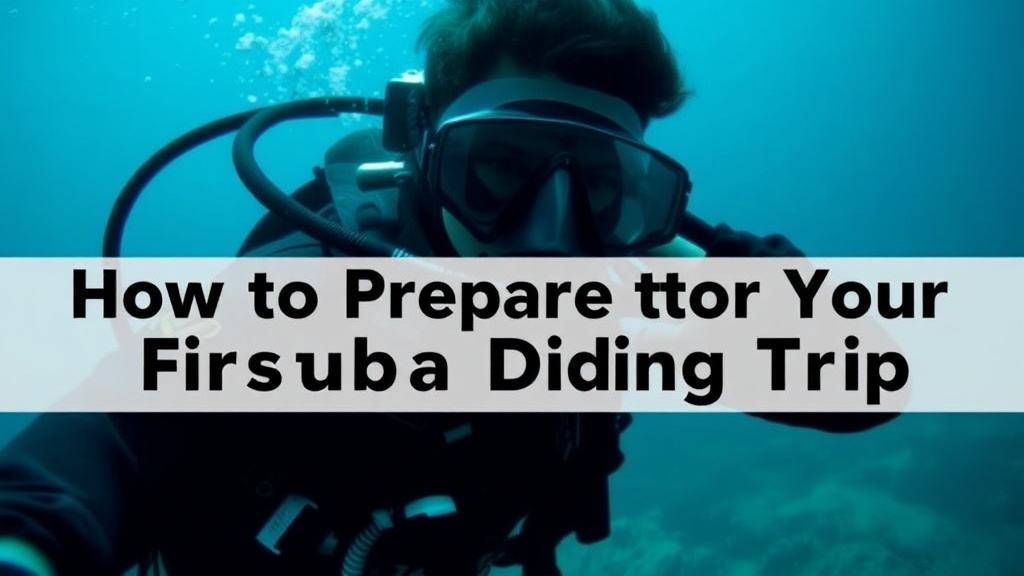
How to Prepare for Your First Scuba Diving Trip

Are you wondering if you have the physical fitness, the right gear, or the necessary budget to successfully complete your first scuba diving certification?
This guide provides a systematic breakdown of what you need to know before booking your first dive trip. Scuba diving is a technical skill that requires specific preparation regarding physical health, gear selection, and logistical planning. Whether you are looking at a Discover Scuba Diving (DSD) experience or a full Open Water Diver (OWD) certification through PADI or SSI, understanding the variables involved will prevent wasted money and ensure your safety underwater. We will cover the certification process, the actual costs, and the essential gear you should invest in.
Understanding the Certification Process
Before you fly to a destination like Cozumel, Mexico, or Bali, Indonesia, you need to decide which level of engagement you want. Most beginners start with one of two paths: a "Try Scuba" experience or a formal certification course.
The Discover Scuba Diving (DSD) Experience
A DSD is a one-day introductory program. You won't be a "certified diver," but you will get to experience breathing underwater under strict supervision. This is ideal if you are testing the waters to see if you enjoy the sensation of buoyancy. It is a low-commitment way to see if you want to invest the $400–$600 required for a full certification later.
Open Water Diver (OWD) Certification
If you want to dive independently (with a buddy) anywhere in the world, you need the Open Water Diver certification. This is typically a three to four-day process that includes three distinct phases: Knowledge Development (theory), Confined Water Dives (practice in a pool or calm shallow water), and Open Water Dives (four dives in the ocean or lake). Most people choose PADI (Professional Association of Diving Instructors) or SSI (Scuba Schools International) because their certifications are recognized globally.
The Budget: Real Costs of Diving
One of the biggest mistakes travelers make is budgeting only for the certification and forgetting the "hidden" costs of dive travel. As someone who spent years optimizing budgets, I recommend a tiered approach to your spending.
- Certification Course: Expect to pay between $400 and $700. This usually includes your manual, the digital learning modules, and the instructor's time.
- Equipment Rental: If you aren't bringing your own gear, you will pay per day. A full rental kit (BCD, regulator, wetsuit, fins, and mask) typically costs $30–$60 per day.
- Dive Boat Fees: Often, the certification cost doesn't include the actual boat trip. Budget an extra $80–$120 per day for boat excursions.
- Travel Insurance: This is non-negotiable. Standard travel insurance often excludes "high-risk" activities. Ensure you have a policy that specifically covers SCUBA diving, such as DAN (Divers Alert Network).
Physical and Medical Readiness
Scuba diving is not an extreme sport in the sense of high-impact movement, but it does place specific physiological demands on your body. You must be able to equalize the pressure in your ears and sinuses. If you have chronic sinus issues or a deviated septum, consult a physician before booking.
The Medical Questionnaire
Upon starting a course, you will be handed a medical statement. If you have a history of asthma, heart conditions, or ear issues, you may require a doctor's sign-off. Do not attempt to hide these issues; the pressure changes at depth can cause serious injury if your body is not prepared. If you are currently taking any medication, check with your doctor to ensure it is safe to dive.
Physical Conditioning
While you don't need to be an elite athlete, you should have basic cardiovascular fitness. You will be moving in a weighted environment and potentially swimming against currents. If you are planning a more advanced trip later, like visiting remote islands in the Azores, having a baseline level of swimming proficiency and stamina will make the experience much more enjoyable.
Essential Gear: To Buy or To Rent?
A common mistake is buying a full kit immediately. For your first trip, I recommend renting everything except for the two most personal items: your mask and your computer.
The "Must-Buy" List
- The Mask: A mask is the most personal piece of equipment. A rental mask often leaks or doesn't fit the shape of your face. A high-quality silicone mask, such as those from Aqualung or Atomic, ensures a watertight seal and better visibility.
- The Dive Computer: A computer tracks your depth and no-decompression limits. While rental computers exist, they are often older models. Owning a reliable, entry-level computer like the Suunto Zoop or Mares Puck provides peace of step-by-step safety data that is unique to your specific dive profile.
The "Wait-to-Buy" List
Do not buy a BCD (Buoyancy Control Device) or a Regulator until you have completed your first few dives. These are expensive, highly technical pieces of life-support equipment. You need to understand your body's buoyancy requirements and your preferred regulator breathing style before investing $800–$1,500 in a regulator setup.
Logistics and Destination Planning
Where you go determines what kind of diving you will do. You need to match your skill level with the environment.
Tropical vs. Temperate Waters
If you are looking for easy, warm-water diving, destinations like Roatán, Honduras or Phuket, Thailand are excellent. The water is warm (26°C–30°C), meaning you can use a thin 3mm wetsuit or even just a rash guard. If you are heading to more temperate regions, you will need to budget for a thicker 5mm or 7mm wetsuit and potentially a hooded vest to prevent heat loss.
The "No-Fly" Rule
This is the most critical logistical rule in diving: You cannot fly immediately after diving. Nitrogen absorption during your dives requires time to off-gas. If you fly too soon, you risk Decompression Sickness (the bends).
The standard rule is a minimum of 18 hours after a single dive and 24 hours after multiple dives. When booking your flights, ensure you have at least a two-day "buffer" at the end of your trip before your departure flight to account for any unexpected dive schedules.
Safety Protocols and Best Practices
Safety in diving is about protocol, not luck. As a beginner, you must adhere to these three non-negotiable rules:
- Never Hold Your Breath: This is the golden rule of scuba. Even a small change in depth while holding your breath can cause lung overexpansion injury. Always maintain a continuous, steady breathing pattern.
- Buddy System: Never dive alone. Even experienced divers use the buddy system. Your buddy is your primary safety resource in case of equipment failure or disorientation.
- Monitor Your Air: Do not wait until your pressure gauge reads zero. A standard practice is to check your air every 5 to 10 minutes and plan to end your dive when you have a significant reserve (usually 500 psi or 50 bar) left.
"The ocean is a controlled environment, but it is not a predictable one. Respect the depth, respect your limits, and always prioritize your air supply over your curiosity."
Final Checklist Before You Depart
Before you head to the airport, run through this final technical check:
- Confirm Certification: Ensure your PADI/SSI digital card is accessible on your phone or printed.
- Check Medical Clearance: Ensure you have no active ear infections or sinus congestion.
- Verify Insurance: Double-check that your policy covers SCUBA activities.
- Pack the Essentials: Mask, dive computer, sunscreen (reef-safe), and any necessary medications.
- Flight Buffer: Confirm your return flight is at least 24 hours after your last scheduled dive.
Steps
- 1
Get Certified
- 2
Choose a Reputable Dive Center
- 3
Check Your Medical Readiness
- 4
Pack the Right Gear