Iceland's Laugavegur Trail: The $2,340 7-Day Plan (2026 Prices)

This post contains affiliate links. If you book through these links, I earn a small commission at no extra cost to you. I only recommend operators and gear I've personally vetted.
Iceland's Laugavegur Trail: The $2,340 7-Day Plan (2026 Prices)
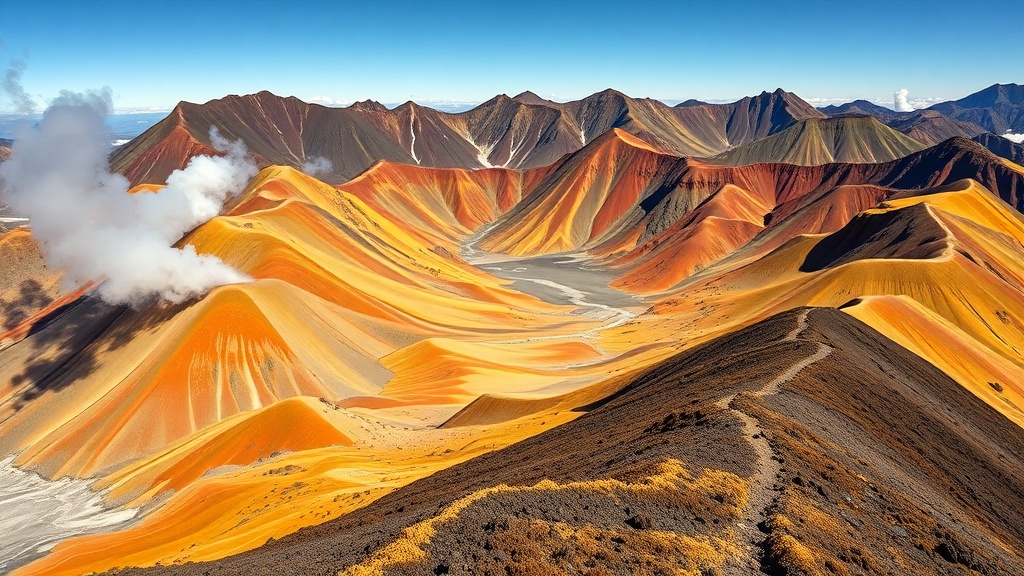
I'm going to be blunt: the Laugavegur Trail broke my brain a little. You're walking through what looks like another planet — neon-colored rhyolite mountains, black obsidian fields, steaming vents, river crossings that'll wake you up faster than any espresso — and then you drop into a birch forest in Þórsmörk that feels like someone accidentally pasted in a frame from Lord of the Rings.
It's 55 kilometers (34 miles) from Landmannalaugar to Þórsmörk, typically hiked in 4 days. But if you bolt on the Fimmvörðuháls extension to Skógar — and you should, because it takes you between two glaciers and past 20+ waterfalls — that adds another day and turns it into a proper 5-day trek.
Here's every real number for doing this trek in summer 2026, staying in mountain huts, with a day in Reykjavik on each end.
Quick Stats
- Total damage: about $2,340 per person
- Duration: 7 days (5 trekking + 2 Reykjavik days)
- Distance: 77 km / 48 miles (Laugavegur + Fimmvörðuháls)
- Difficulty: Moderate to Strenuous (river crossings and weather are the wildcards)
- Max elevation: 1,116m / 3,661 ft at Fimmvörðuháls Pass
- Season: Late June through early September (huts open roughly July-August)
- Best for: Fit hikers who want otherworldly scenery without Himalayan altitude risk
The Complete Cost Breakdown
Flights: $550
Round-trip from a major US city to Keflavik (KEF). Icelandair runs direct flights from a dozen US cities, and you can regularly find round-trips for $450-650 in summer 2026 if you book 3-4 months ahead. Play Airlines sometimes undercuts this, but their baggage fees can negate the savings when you're hauling trekking gear. I'm budgeting $550 as a realistic midpoint — not the cheapest possible fare, but what you'll actually pay if you're not obsessively monitoring flight deals for six months.
Keflavik Airport Transfers: $60
The Flybus runs about $30 each way between Keflavik and Reykjavik's BSI terminal. Simple, reliable, runs on every flight schedule. Budget $60 round-trip.
Highland Bus Transfers: $165
You can't drive a normal car to Landmannalaugar (it's F-road territory requiring a proper 4x4), so the highland bus from Reykjavik is the standard approach:
- Reykjavik → Landmannalaugar: ISK 12,500 (~$96)
- Skógar → Reykjavik: ISK 9,000 (~$69)
Total ground transport between Reykjavik and the trail: $165. If you skip the Fimmvörðuháls extension, the Þórsmörk → Reykjavik bus is ISK 12,000 (~$92), so it actually costs more to bail early.
Mountain Hut Accommodations — Laugavegur (4 nights): $488
Here's where Iceland hits your wallet. Huts on the Laugavegur trail cost ISK 15,800 per person per night (roughly $122) for the 2025/26 season. That's for a dormitory bunk where you need your own sleeping bag. No private rooms. Shared outdoor bathrooms. At Hrafntinnusker, you don't even get a real toilet — dry composting setup only.
For the standard 4-night Laugavegur route:
- Night 1: Hrafntinnusker hut — $122
- Night 2: Álftavatn hut — $122
- Night 3: Hvanngil or Emstrur hut — $122
- Night 4: Þórsmörk (Básar or Langidalur) — $122
Critical booking note: Ferðafélag Íslands (FI) changed the booking system in 2025. You now submit requests for pre-set itineraries rather than booking individual huts. They fill up fast — February is not too early to start this process for a July/August trek.
Fimmvörðuháls Hut (1 night): $115
Baldvinsskáli hut on the Fimmvörðuháls extension costs ISK 15,000 (~$115). Same deal — dormitory, sleeping bag required. But you're parked between Eyjafjallajökull and Mýrdalsjökull glaciers, so the view compensates for the spartan setup.
Reykjavik Accommodation (2 nights): $280
One night before the trek, one night after. Reykjavik guesthouses and budget hotels run $120-160/night for a private room in summer. Hostels with private rooms are slightly less. I'm using $140/night as the midpoint for a clean, central spot where you can shower properly and reorganize gear.
Food on the Trail (5 days): $175
Bring your own. There are small hut shops on Laugavegur, but a freeze-dried meal costs ISK 3,500 ($27) and a gas canister runs ISK 3,000 ($23). Those prices are insulting. Instead, buy your trail food at Bónus or Krónan in Reykjavik before you leave. Dehydrated meals, instant noodles, energy bars, dried fruit, cheese, flatbread — you can do 5 days of trail food for about $35/day if you pack smart. Budget $175 total.
Food in Reykjavik (2 days): $120
Reykjavik restaurants are expensive. A decent meal out runs $30-50. But you don't need to eat at Dill every meal. Hit the Hlemmur Mathöll food hall, grab a lamb soup at Svarta Kaffið, and supplement with grocery store runs. Budget $60/day for a mix of eating out and self-catering.
Hot Showers on Trail: $24
ISK 1,000 ($8) per shower at the huts that have them. You'll want at least 3 over the course of the trek. The natural hot spring at Landmannalaugar is free though — and honestly it's the best one.
Travel Insurance: $40
Non-negotiable for Iceland. Weather changes fast, river crossings can be dangerous, and helicopter evacuations from the highlands cost a fortune. World Nomads or SafetyWing will cover you for about $40 for a week-long trip with adventure sports coverage. Don't skip this.
Miscellaneous: $80
The famous Bæjarins Beztu hot dog stand, a beer at the hut shop ($8 a can — welcome to Iceland), maybe a lopapeysa wool sweater if you lose all financial self-control at the Handknitting Association. Budget $80 for the random stuff.
The Full Budget Table
| Category | Cost (USD) |
|---|---|
| Round-trip flights (US → KEF) | $550 |
| Airport transfers (Flybus) | $60 |
| Highland bus transfers | $165 |
| Mountain huts — Laugavegur (4 nights) | $488 |
| Mountain hut — Fimmvörðuháls (1 night) | $115 |
| Reykjavik accommodation (2 nights) | $280 |
| Trail food (5 days) | $175 |
| Reykjavik food (2 days) | $120 |
| Hot showers on trail | $24 |
| Travel insurance | $40 |
| Miscellaneous | $80 |
| Line item total | $2,097 |
| Realistic overrun buffer (~12%) | $243 |
| TOTAL BUDGET | $2,340 |
The buffer covers what always happens: a celebratory dinner in Reykjavik after the trek ($60-80), buying a gas canister on the trail when yours runs out ($23), an emergency snack run, trail beers, and the inevitable "I forgot X and need to buy it in Reykjavik" tax. Nobody's trip goes exactly to the spreadsheet.
Day-by-Day Itinerary
Day 1: Arrive Reykjavik
Land at Keflavik, Flybus to Reykjavik. Check into your guesthouse, buy trail food at Bónus (closes early — check hours), and do a final gear check. If you arrive early enough, walk the harbor area and grab a lamb soup. Don't go crazy exploring — you're hiking tomorrow and jetlag is real.
Day 2: Reykjavik → Landmannalaugar (Bus + Soak)
Highland bus departs early morning from BSI terminal. The 4-hour ride into the highlands is stunning on its own — you'll cross rivers and watch the landscape shift from green to volcanic. Arrive Landmannalaugar, set up at the hut, and immediately get in the natural hot spring. It's a mix of hot geothermal water and cold river water, and after 4 hours on a bus, it's perfect. Spend the afternoon doing the short Laugahraun lava field loop (1 hour) to warm up your legs.
Day 3: Landmannalaugar → Hrafntinnusker (12 km)
This is where your brain breaks. The rhyolite mountains around Landmannalaugar look like someone spilled paint across the landscape — reds, oranges, yellows, greens, purples all swirling together. You'll climb through geothermal areas with steaming vents and snowfields (yes, even in July). The trail tops out around 1,100m. Hrafntinnusker hut is basic — named for the obsidian (hrafntinna) everywhere. The view makes up for the dry toilet situation.
Day 4: Hrafntinnusker → Álftavatn (12 km)
Descend through more surreal landscape — black sand, ice caves (some years), and then suddenly you're looking down at Álftavatn lake in a green valley. The contrast from yesterday's volcanic moonscape is jarring in the best way. Your first river crossing happens today. The water's glacial, it's knee-deep, and there's no way around it. Bring sandals or water shoes — your boots stay dry, your legs don't. Álftavatn hut has better facilities and the lake views at midnight (it doesn't get dark) are unreal.
Day 5: Álftavatn → Emstrur (15 km)
The longest day on Laugavegur proper. More river crossings — the one at Innri-Emstruá can be thigh-deep in heavy melt years. Cross in groups if the water's high, unbuckle your pack straps, and use trekking poles for stability. The landscape shifts to dark volcanic desert — black sand stretching to the horizon with glaciers looming behind. Emstrur hut sits in a dramatic canyon. If the weather's clear, walk 15 minutes to the canyon edge for a view that'll make you forget about your sore feet.
Day 6: Emstrur → Þórsmörk (15 km)
The trail drops into Þórsmörk (Thor's Forest), and suddenly you're in a birch woodland. After days of volcanic everything, walking through actual trees feels surreal. This valley is protected by surrounding glaciers and has its own microclimate. Þórsmörk has the best hut facilities on the trail — actual showers, a small shop, and campfire areas. Celebrate finishing Laugavegur proper.
Day 7: Þórsmörk → Skógar via Fimmvörðuháls (23 km)
The longest and most dramatic day. You'll climb from Þórsmörk up between Eyjafjallajökull and Mýrdalsjökull glaciers — yes, that's the Eyjafjallajökull that shut down European airspace in 2010. The pass at Fimmvörðuháls (1,116m) is the high point, and you'll walk past the lava field from that same eruption. Then you descend past waterfall after waterfall — I stopped counting at 20. The final stretch into Skógar ends at the massive Skógafoss waterfall. Take the bus back to Reykjavik.
Alternative: If 23 km in one day feels excessive (it is for most people), stay at Baldvinsskáli hut on Fimmvörðuháls and split this into two days. That's what the $115 hut fee in the budget covers.
Day 8: Reykjavik → Fly Home
One more night in Reykjavik to shower like a civilized person, do laundry, and eat something that isn't dehydrated. Flybus to Keflavik for your flight home.
What You Need to Know Before Booking
Book Huts Absurdly Early
I'm not exaggerating when I say February. FI's new itinerary-based booking system means you're reserving a complete route, not individual nights. Popular July/August dates sell out within days of opening. If you want huts (versus camping), early booking is essential. Camping spots are more flexible but still require reservations.
River Crossings Are the Real Risk
The river crossings on Laugavegur aren't technical, but they're serious. Glacial meltwater is cold (5-8°C), the current is strong, and water levels change throughout the day — mornings are usually lower because overnight temps slow the melt. Bring waterproof sandals or water shoes, use trekking poles, and don't be a hero. If a crossing looks sketchy, wait for other hikers and cross in a line.
Weather Will Test You
Iceland's highlands can give you sunshine, sideways rain, fog, and near-freezing temps in the same afternoon. Layer system is mandatory: moisture-wicking base, insulating mid, waterproof shell. Bring full waterproof everything — pack cover, rain pants, gaiters. I've seen people on this trail in cotton hoodies and running shoes. They were miserable by noon.
Camping Saves Serious Money
If $488 for four nights in dormitory huts makes you wince, camping drops that to about $100 (ISK 3,200/night × 4 = ~$97). You'll need to carry a tent, pad, and warmer sleeping bag, which adds weight and potentially gear rental costs. But it nearly halves the accommodation bill. A full camping budget for this trek can come in under $1,600.
The Golden Circle Add-On
If you're flying to Iceland and only doing the trek, you're leaving value on the table. Add a day-trip to the Golden Circle (Þingvellir, Geysir, Gullfoss) for about $80 on a bus tour, or rent a car for a day and do it yourself. You're already there — see the highlights.
Is It Worth It?
At $2,340 for a week in one of the most expensive countries in Europe, including flights from the US? Absolutely.
The Laugavegur Trail packs more landscape variety into 55 kilometers than most trails manage in ten times that distance. You go from painted rhyolite mountains to obsidian deserts to glacial rivers to birch forests in four days. Add Fimmvörðuháls and you get glaciers and waterfalls on top of that. There's nowhere else on earth that looks like this.
The logistics are also surprisingly manageable. Bus to the start, bus from the finish, huts every 12-15 km so you don't need to carry camping gear. No permits beyond the hut booking. No altitude concerns. No guide required (though you need to be comfortable with navigation and river crossings). For the independence it offers, it's one of the most accessible multi-day treks in the world.
The catch is the price — Iceland is genuinely expensive, and those hut costs add up fast. But compared to a guided Patagonia trek or a Kilimanjaro climb, you're getting a world-class multi-day adventure for under $2,500. That's hard to beat.
Book those huts early. Seriously. February early.