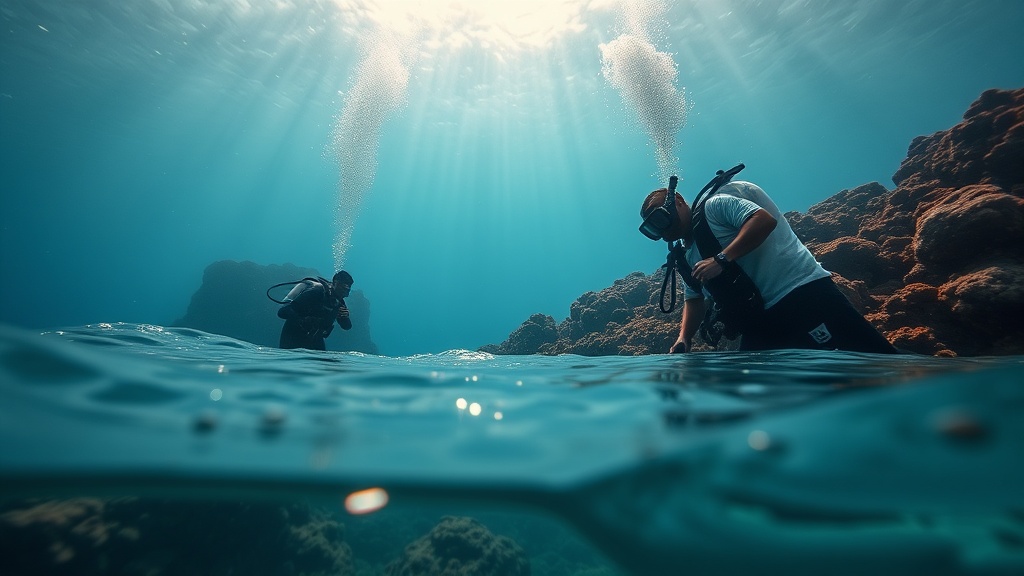
Planning Your First Low-Impact Scuba Expedition to Raja Ampat

Most people think that sustainable travel is just a marketing gimmick used to justify a 30% markup on a hotel room. It isn't. In the world of high-end adventure diving—specifically in places like Raja Ampat—real sustainability is about logistics, waste management, and local economic impact. This guide covers how to plan a trip to the literal center of marine biodiversity without destroying the very thing you're paying thousands of dollars to see. We aren't talking about sleeping in a hammock on a beach for six months; we're talking about professional-grade expeditions for people with actual jobs who want to spend their limited PTO effectively and ethically.
Raja Ampat is often framed as an unattainable bucket-list item for the wealthy, but that's a misunderstanding of the region's infrastructure. While $1,000-a-night liveaboards exist, they aren't the only way to access the Four Kings. You can find world-class diving while supporting local communities through homestays and regional dive centers. This approach doesn't just save you money—it keeps your capital in the hands of the people who actually protect these reefs. Since Earth Day is coming up on April 15, it's the right time to look at how our gear and travel choices affect these fragile ecosystems.
How much does a week of diving in Raja Ampat actually cost?
Let's get the numbers out of the way first. An engineer's brain likes a spreadsheet, and your travel budget shouldn't be any different. If you're coming from the US or Europe, your biggest hurdle is the flight to Sorong (SOQ). Expect to pay between $1,200 and $1,800 for round-trip tickets. Once you land, you have two primary paths: the liveaboard or the land-based resort/homestay. A mid-range liveaboard will run you about $3,500 for a seven-night trip, while a high-quality local homestay with a dedicated dive center can cost as little as $1,200 for the same period—including meals and ten to twelve dives.
Don't forget the mandatory Marine Park Entry Permit (the PIN). This costs 1,000,000 IDR (about $65 USD) and is valid for a calendar year. You can buy this at the airport or through your operator. Make sure you get the actual physical tag; it's a badge of honor that directly funds the rangers who stop illegal fishing in the Dampier Strait. You should also budget for 'port fees' or 'fuel surcharges' which many liveaboards tack on at the last minute—usually another $150 to $250. It’s better to have this accounted for in your initial calculation than to be surprised when you're settling your bill on the last night.
What makes a dive operator truly sustainable?
Choosing a shop isn't just about finding the cheapest tanks. A truly sustainable operator doesn't just talk about the environment; they have hard policies in place. Look for shops that use permanent mooring buoys instead of dropping anchors (which smash coral heads). Ask if they have a 'no-touch' policy that they actually enforce. If a divemaster is picking up a pufferfish to show the tourists, get out of there. That isn't adventure; it's harassment.
With Earth Day just a few days away, we should also talk about waste. The best operators in Raja Ampat have eliminated single-use plastics entirely. They'll provide you with a refillable bottle and have large water carboys on the boat. They also prioritize local hiring and training. If the entire staff—from the captain to the kitchen—is local, your money is helping the community see the reef as a long-term asset rather than a short-term source of fish. Check out the Coral Triangle Center to see how these local initiatives are actually performing on the ground.
Can you dive remote reefs without leaving a trace?
Your impact on the reef starts with your buoyancy. If you haven't been in the water for six months, don't make Raja Ampat your first stop without a refresher. The currents here can be intense—especially at sites like Blue Magic or Cape Kri—and if you're kicking the reef to stay stable, you're doing permanent damage. One misplaced fin kick can destroy twenty years of coral growth. It’s that simple. If you're serious about low-impact diving, consider a 'Peak Performance Buoyancy' course before you leave home.
Gear maintenance is another piece of the puzzle. Instead of buying a cheap, new wetsuit every year, invest in high-quality gear and learn to repair it. My old 3mm has more patches than an Intel server rack, but it still works perfectly. This reduces the amount of neoprene—which is essentially a petroleum product—ending up in landfills. Also, check your sunscreen. If it contains oxybenzone or octinoxate, leave it at home. These chemicals are toxic to coral larvae even in tiny concentrations. Switch to a zinc-based physical block; it might make you look like a ghost in your underwater photos, but the fish won't mind. You can find more data on reef-safe practices at the NOAA Coral Bleaching info page.
Logistics in West Papua are notoriously tricky. Ferries from Sorong to Wasai run twice a day, but they are often delayed. If you're booking a homestay on a remote island like Kri or Mansuar, you'll need a private boat transfer. These aren't cheap—expect to pay $40 to $80 depending on the distance—but they are your lifeline. I suggest arriving in Sorong a day early and staying at a local hotel. It gives you a buffer for lost luggage and lets you start your expedition well-rested rather than frantic and jet-lagged. It's the small, boring details that usually save a trip from becoming a disaster.
Planning an expedition like this requires a shift in mindset. You're moving from being a consumer to being a participant in a very delicate system. The reefs of Raja Ampat are some of the last truly pristine underwater environments on the planet. By choosing operators that respect the rules, paying your fair share for conservation, and bringing only what you need, you're helping ensure that these places stay wild. It isn't about being perfect; it's about being intentional with your time and your money. That’s how a professional plans an adventure.