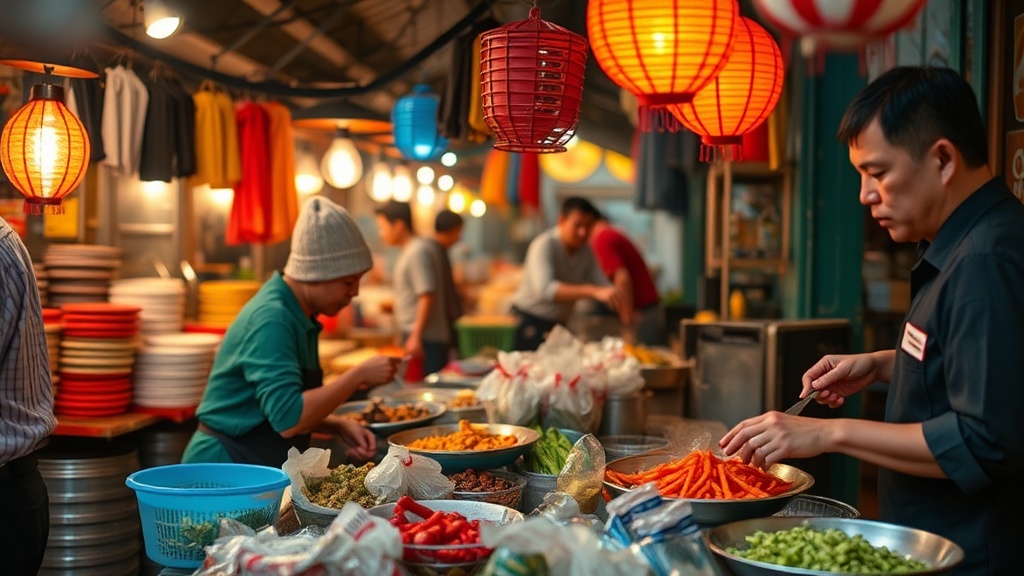
Savoring the Spice: A Culinary Trek Through Vietnam's Street Food Markets

In the dense, humid labyrinth of Hanoi’s Old Quarter, there is a statistical improbability that becomes a daily reality: you can walk less than fifty meters without encountering a street food vendor. In Vietnam, street food isn't a secondary option or a cheap alternative for travelers; it is the primary culinary infrastructure of the nation. For the serious traveler, navigating this landscape requires more than just an appetite—it requires a systematic approach to hygiene, flavor profiles, and logistical timing.
The complexity of Vietnamese cuisine lies in its regional divergence. While the northern flavors of Hanoi lean toward subtle, savory, and minimalist profiles, the central provinces like Hue offer a heat-intensive, complex spice palette, and the south in Ho Chi Minh City favors sweetness and heavy herb usage. Understanding these distinctions is the difference between a mediocre meal and a transformative culinary experience.
The Northern Foundation: Precision and Simplicity in Hanoi
Hanoi is the birthplace of many iconic Vietnamese dishes, and the culinary philosophy here is rooted in balance rather than overwhelming spice. The goal is to highlight the quality of the primary ingredient, whether it is the richness of the pork broth or the freshness of the herbs.
The Bún Chả Protocol
If you find yourself in the vicinity of the Hoan Kiem Lake, you must seek out Bún Chả. This dish consists of grilled fatty pork served in a dipping sauce of fish sauce, vinegar, and sugar, accompanied by rice noodles and a mountain of fresh herbs. When selecting a vendor, look for the smoke. The charcoal grill is the engine of the dish; if the pork isn't being grilled over real wood or charcoal right in front of you, the depth of flavor will be lacking. A high-quality vendor will serve the pork in a warm, slightly acidic broth, ensuring the fat is rendered but not greasy.
Phở Bò: The Gold Standard
While Phở is ubiquitous, the distinction between a standard bowl and an exceptional one lies in the bone broth. In Northern Vietnam, the broth is clearer and more focused on the scent of star anise, cinnamon, and charred ginger. Avoid any stall that looks "too clean" in a way that suggests a commercial kitchen; you want the stalls where the broth has been simmering in a large, battered metal pot for at least twelve to eighteen hours. The presence of wide, flat rice noodles (bánh phở) is non-negotiable. If the noodles are thin or mushy, the chef is cutting corners on the preparation time.
Central Vietnam: The Heat of the Imperial City
Moving south toward Hue, the culinary landscape shifts dramatically. This was the seat of the Nguyen Dynasty, and the food reflects a more sophisticated, labor-intensive, and spicy tradition. The heat here is not just an additive; it is an integral component of the dish's architecture.
Bún Bò Huế and the Complexity of Spice
Bún Bò Huế is a beef and pork noodle soup that is significantly more robust than its Hanoi counterpart. The key ingredient here is mắm ruốc (fermented shrimp paste), which provides a deep, umami funk that anchors the spicy lemongrass broth. When ordering, do not be afraid to ask for extra chili oil. A legitimate bowl should feature thick, cylindrical rice noodles and a generous portion of lemongrass-infused broth. If the broth lacks a reddish tint from the chili oil and annatto seed, it hasn't been prepared with the necessary intensity.
The Art of Bánh Mì in Central Vietnam
While Bánh Mì is found nationwide, the central versions often lean into a more aggressive savory profile. Look for vendors using high-quality pâté and a crisp, airy baguette. The texture of the bread is the most critical technical element; it should shatter when bitten, not be chewy or soft. In the streets of Hoi An, look for vendors who use a variety of pickled vegetables—daikon and carrots—to provide the necessary acidity to cut through the richness of the meats.
Southern Vietnam: The Sweetness of the Mekong Delta
As you descend into Ho Chi Minh City (Saigon), the flavor profile lightens and sweetens. The abundance of coconut milk and palm sugar in the south creates a different sensory experience entirely. The street food here is faster, more vibrant, and heavily influenced by the tropical abundance of the Mekong Delta.
Cơm Tấm: The Working Man’s Fuel
Cơm Tấm, or "broken rice," is a staple of Saigon. It is made from fractured rice grains that are traditionally discarded but have become a delicacy due to their unique texture. The dish is typically served with grilled pork chops, a fried egg, and shredded pork skin. The technical detail to watch for is the quality of the nước chấm (dipping sauce). A good sauce should be a perfect equilibrium of fish sauce, lime juice, sugar, and minced garlic. If it is overly salty, the chef has failed the balance test.
The Coffee Culture and Cà Phê Sữa Đá
You cannot navigate the streets of Saigon without understanding the coffee ritual. Cà Phê Sữa Đá is a concentrated shot of Vietnamese coffee dripped through a phin filter, layered with sweetened condensed milk, and poured over crushed ice. The key is the phin. If a cafe uses a standard espresso machine, they are not serving authentic Vietnamese coffee. The slow drip process is essential for extracting the heavy, chocolatey notes of the dark-roasted beans used in the region.
Logistical Intelligence: Navigating the Street Food Scene Safely
For the traveler who is accustomed to structured environments, the perceived chaos of a Vietnamese street market can be daunting. However, applying a few logical filters can mitigate risk and maximize the quality of your intake.
- The High Turnover Rule: Always choose the stall with the highest volume of local customers. High turnover means the ingredients are fresh and the food is not sitting in temperature-danger zones. If a stall is empty, move on.
- The "Open Kitchen" Metric: Avoid any food that is pre-packaged or kept under glass covers for extended periods. You want to see the heat—the steam from the broth, the flame from the wok, and the immediate service of the meal.
- Water and Ice Integrity: In urban centers like Hanoi and Saigon, most ice is produced in factories and is safe (it usually has a hole through the middle, indicating it was machine-made). However, if you are in a more rural area or a remote trekking region, stick to bottled water and avoid any crushed ice that looks irregular or cloudy.
- The Herb Check: Fresh herbs (mint, cilantro, Thai basil) are vital for digestion and flavor. If the herbs look wilted or dark, the vendor is not refreshing their stock, which is a red flag for overall food hygiene.
"The most profound way to understand a culture is not through its monuments, but through its markets. In Vietnam, the market is the heartbeat of the community, and every bowl of noodles tells a story of regional history and economic resilience."
Planning Your Culinary Expedition
When planning a trip that incorporates significant movement—perhaps transitioning from a coastal exploration to a mountain trek—you must consider how your diet will support your physical output. If you are planning to move from the heat of the Mekong Delta to the cooler, higher altitudes of the north, your caloric needs and spice tolerances will shift. Much like mastering the art of lightweight packing, you must pack your nutritional expectations accordingly. Do not expect the same level of heat in the mountains of Sapa that you found in the streets of Hue.
For those who are also managing gear and weight for more rigorous adventures, remember that street food is the ultimate lightweight fuel. It is calorie-dense, incredibly affordable, and requires zero preparation on your part. By understanding the regional nuances and applying a rigorous standard for quality, you turn a simple meal into a strategic part of your travel itinerary.
Whether you are grabbing a quick Bánh Mì before a long bus ride or sitting on a tiny plastic stool for a slow bowl of Phở, approach every meal with the same analytical rigor you would apply to any other part of your expedition. The reward is a deeper, more visceral connection to the landscape you are traversing.