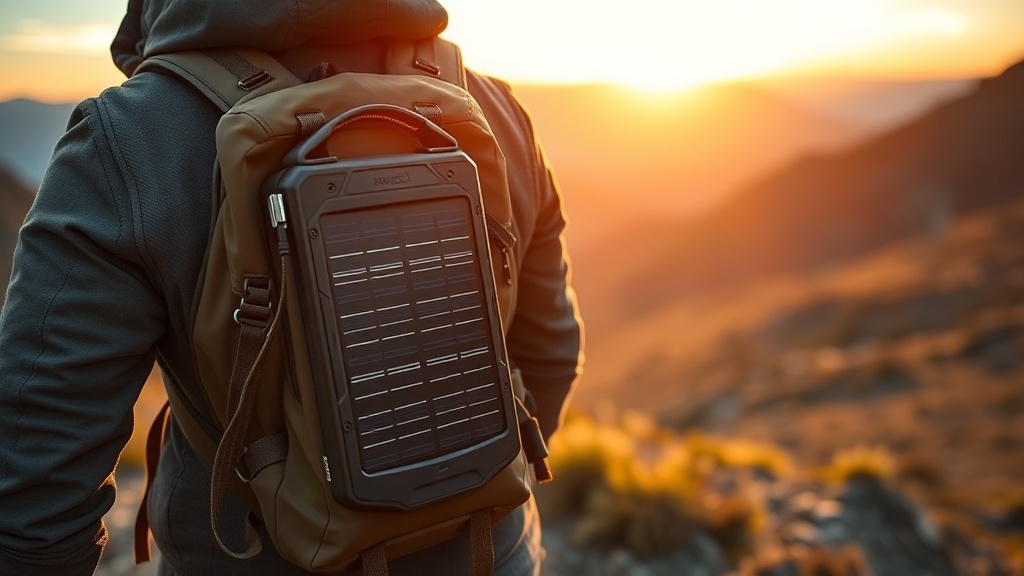
Solar Power on the Trail: Comparing the Top 5 Portable Solar Chargers for 2026

Ever been stuck on a ridge with a dead phone and a dead headlamp? In the wild, a reliable power source can mean the difference between a night under the stars and a night in a shelter.
As a former Intel engineer turned adventure planner, I’ve tested dozens of solar panels on everything from Kilimanjaro climbs to weekend kayak trips. In 2026 the market exploded with lightweight, high‑efficiency options, but not all chargers are created equal. This guide breaks down the top five portable solar chargers so you can pick the one that fits your expedition budget, weight limits, and power needs.
Which Portable Solar Charger Packs the Most Watts per Gram?
Power‑to‑weight ratio is the holy grail for backpackers. The Anker PowerPort Solar 30W delivers 30 W at just 340 g, thanks to its SunPower‑grade cells. By contrast, the Goal Zero Nomad 20 offers 20 W for 420 g. If you’re counting every ounce, the Anker wins.
Do These Chargers Actually Charge Modern Devices Quickly?
Speed matters when you need to power a GPS watch, phone, or satellite communicator. The Bluetrek SolarCharge 40W uses MPPT (Maximum Power Point Tracking) technology, which can charge a 5,000 mAh phone from 0 % to 80 % in under 2 hours under full sun. The BigBlue B300 lacks MPPT and takes roughly 3.5 hours for the same charge, making it a slower but still reliable option.
How Durable Are These Panels in Harsh Conditions?
Adventure gear must survive rain, snow, and rough handling. The EcoGear Flexi‑Solar 25W boasts a rubberized, water‑proof frame rated IPX7 and a shatter‑proof polycarbonate sheet—perfect for alpine treks. The Nomad 20’s fabric fold‑out design can snag on branches, while the Anker’s rigid panel is prone to cracking if you drop it from a height.
What’s the Price Landscape for 2026 Solar Chargers?
- Anker PowerPort Solar 30W – $89 (Amazon, 2026‑03)
- Goal Zero Nomad 20 – $119 (Goal Zero Store)
- Bluetrek SolarCharge 40W – $149 (Bluetrek Official)
- BigBlue B300 – $99 (BigBlue Direct)
- EcoGear Flexi‑Solar 25W – $129 (EcoGear Site)
All prices are listed “as of March 2026” and may fluctuate with seasonal sales.
Which Charger Should You Choose for Your Next Expedition?
Here’s a quick decision matrix:
| Priority | Best Choice |
|---|---|
| Lightest weight | Anker PowerPort Solar 30W |
| Fastest charge | Bluetrek SolarCharge 40W |
| Maximum durability | EcoGear Flexi‑Solar 25W |
| Best value under $100 | BigBlue B300 |
| Balanced all‑rounder | Goal Zero Nomad 20 |
What’s the Bottom Line?
Solar power is no longer a luxury add‑on; it’s a core piece of modern adventure gear. Pick a charger that aligns with your primary goal—whether that’s shaving weight, charging fast, or surviving the elements—and you’ll keep your devices alive for navigation, safety, and those priceless summit selfies.
Related Reading
- 2026 Adventure Gear Trends: Must‑Have Gear for Every Expedition — A broader look at the gear landscape that includes solar tech.
- Adventure Travel Packing Checklist 2026: What to Bring — See where a solar charger fits into your pack.
- The Shoulder Season Cheat Code — Learn how cheap solar chargers can stretch your budget even further.