Spring Bio‑Harmony: Sync Your Meals with Your Body Clock for Peak Adventure Energy

Ever felt like your energy spikes at 10 am, crashes at 2 pm, and you’re left dragging your pack through a trail? It’s not just bad sleep – it’s your body clock telling you you’re eating off‑schedule. In the spring, when daylight stretches longer and adventure plans ramp up, syncing meals to your circadian rhythm can be the difference between a triumphant summit and a miserable slog.
Why does timing matter for food?
Our internal clocks – the master regulator of sleep, hormone release, and metabolism – run on a roughly 24‑hour cycle called the circadian rhythm. When we eat at times that clash with these natural peaks, glucose spikes, digestion slows, and recovery suffers. A growing body of research shows that aligning meals with the body’s clock improves energy stability, weight management, and even athletic performance (Harvard Health Publishing, 2025).
What does "bio‑harmony" eating actually look like?
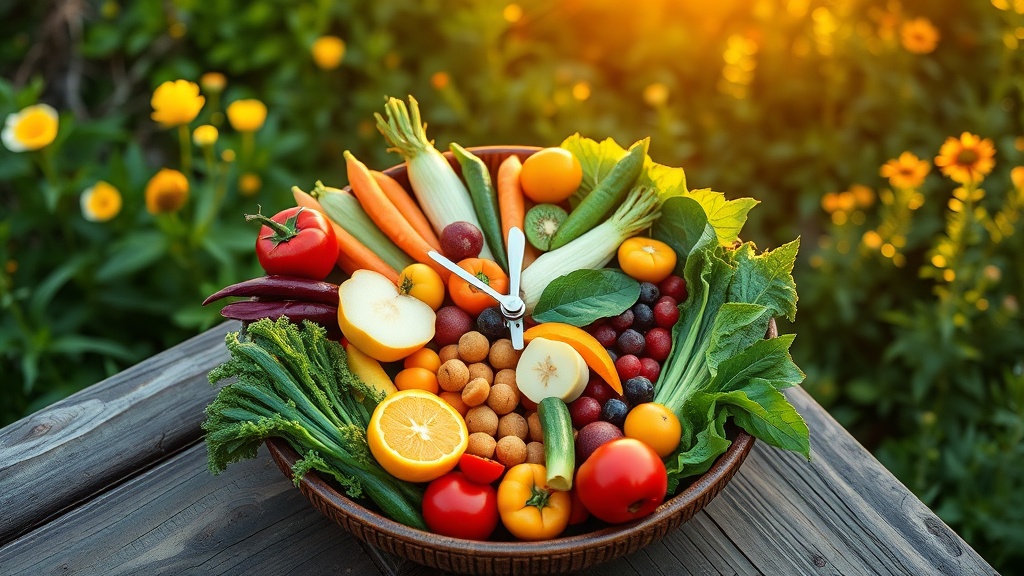
Bio‑harmony is a practical framework that matches food types and timing to the phases of your circadian rhythm. Think of it as a clock‑shaped plate: breakfast in the “morning quadrant,” a light lunch in the “midday window,” and a protein‑rich dinner before the “evening dip.” The goal is to fuel the body when it’s primed to process nutrients and to give it a break when digestion naturally winds down.
How can you start this spring?
- Map your daylight. In March, sunrise in most of the U.S. ranges from 6:30 am to 7:15 am. Use a simple spreadsheet (or a phone app) to note sunrise, sunset, and your typical wake‑up time.
- Set three anchor meals.
- Morning (7‑10 am): High‑carb, moderate‑protein foods to jump‑start metabolism. Think oatmeal with berries, Greek yogurt, or a quinoa‑fruit bowl.
- Midday (12‑3 pm): Balanced meals with lean protein, complex carbs, and veggies. A chickpea‑spinach wrap or grilled salmon salad works well.
- Evening (6‑8 pm): Light, protein‑rich, low‑carb dishes to support recovery without overloading digestion. Example: roasted chicken with root veg, or a tofu‑stir‑fry.
- Hydration windows. Aim for most of your water intake before 7 pm. Post‑dinner hydration can interfere with deep sleep, which is crucial for muscle repair after a trek.
- Snack strategically. If you need a boost between meals, choose low‑glycemic options like nuts, a hard‑boiled egg, or a piece of dark chocolate (Chronobiology International, 2023).
How does spring change the equation?
Longer daylight means your body naturally shifts its melatonin release later, extending the window for activity. In practical terms, you can push your “midday” meal a bit later – say 1‑2 pm – and still stay in sync. Also, spring’s fresh produce (asparagus, peas, strawberries) is naturally higher in vitamins that support circadian health, like vitamin C and magnesium.
Which spring foods boost circadian alignment?
- Asparagus: Rich in folate, which supports neurotransmitter synthesis tied to sleep‑wake cycles.
- Strawberries: High in antioxidants that protect the retina, helping the eye‑based light sensors that set the clock.
- Whole‑grain oats: Provide steady carbs that keep blood glucose stable during the early‑day peak.
- Fatty fish (salmon, trout): Omega‑3s improve melatonin production.
What about caffeine and alcohol?
Both can throw your rhythm off. Limit caffeine to before 2 pm and keep alcohol to one drink max after 7 pm. If you’re heading into a multi‑day trek, consider an budget‑friendly, caffeine‑free electrolyte drink to stay hydrated without the crash.
Putting it all together: A sample day
| Time | Meal | Why it works |
|---|---|---|
| 7:30 am | Quinoa porridge with sliced strawberries, almond butter, and a sprinkle of cinnamon. | Carbs fuel morning cortisol surge; cinnamon steadies blood sugar. |
| 10:30 am | Handful of roasted almonds + a green tea. | Low‑glycemic snack keeps metabolism humming. |
| 1:00 pm | Grilled salmon salad with mixed greens, asparagus, and citrus vinaigrette. | Protein + omega‑3 support muscle repair and melatonin. |
| 4:30 pm | Apple slices with peanut butter. | Light carbs for a mid‑afternoon energy lift. |
| 7:00 pm | Roasted chicken thighs, sweet potato wedges, and steamed broccoli. | Protein‑rich, low‑carb dinner promotes deep sleep. |
| 8:30 pm | Chamomile tea (no caffeine). | Calms the nervous system, preparing for melatonin release. |
How to track your progress
Use a simple journal or a free app like MyFitnessPal to note meal times, energy levels, and sleep quality. After a week, look for patterns: stable mid‑day energy, fewer “crash” moments, and improved recovery after hikes.
Takeaway
Spring is the perfect moment to fine‑tune your nutrition clock. By anchoring meals to sunrise, choosing seasonally abundant foods, and respecting caffeine/alcohol windows, you’ll feel steadier, recover faster, and get more out of every adventure. Give it a try on your next trail – your body (and your itinerary) will thank you.
Related Reading
- Adventure Trip Planning Checklist: 7 Things to Do Before You Book – ensures your itinerary aligns with your new nutrition schedule.
- How to Budget Your Adventure Trip: Step‑by‑Step Guide – budget for fresh spring produce and quality protein.
- The 8‑Week Trek Training Plan I Use Before Every Big Trip – pair your bio‑harmony meals with targeted workouts.
- Spring Refresh: Embracing Minimalism for a Fresh Start – declutter your kitchen for streamlined meal prep.
- Daylight Saving Tips: Shift Sleep, Work & Adventure Schedule – adjust your circadian plan when clocks change.