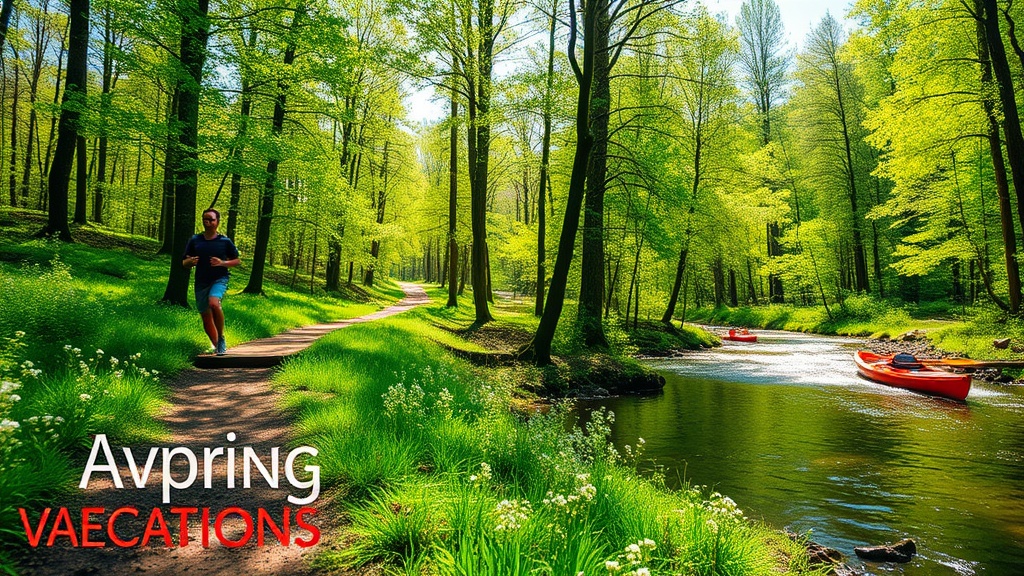
Spring Brain Boost: Outdoor Activities to Sharpen Your Mind

Can a Spring Workout Sharpen Your Brain?
Hook: Imagine sprinting up a sun‑drenched ridge and feeling not just your legs fire up, but your mind snap into high gear. That isn’t a marketing gimmick – it’s science.
Context: As days lengthen and temperatures rise, the outdoors becomes the perfect lab for cognitive upgrades. Recent insights from NFL neurosurgeon Dr. Joseph Maroon, a self‑declared “super‑ager,” show that combining physical exertion with targeted mental challenges can accelerate neuroplasticity – the brain’s ability to rewire itself for better focus, memory, and stress resilience.
How Does Trail Running Fire Up Neuroplasticity?
Trail running is more than cardio; it’s a constantly changing obstacle course that forces the brain to adapt. Research on “forest bathing” (Shinrin‑yoku) demonstrates measurable improvements in Stroop test performance after just a few minutes of immersive nature exposure (ScienceDirect, 2025). The uneven terrain, variable elevation, and need to navigate natural landmarks engage the hippocampus, the region responsible for spatial memory.
- Neuro‑boost: Increased BDNF (brain‑derived neurotrophic factor) from aerobic effort supports new synapse growth.
- Practical tip: Alternate between sprint intervals (30 sec) and mindful observation pauses (60 sec) to let the brain register the scenery.
For a structured plan, see my 8‑Week Trek Training Plan – it already includes weekly trail runs that you can adapt for cognitive gain.
Can Forest Yoga Boost Cognitive Flexibility?
Yoga on a mossy clearing pairs breath work with gentle movement, lowering cortisol while stimulating the pre‑frontal cortex. A systematic review of forest‑bathing studies found that participants who practiced mindful walking in trees showed improved attention span and emotional regulation (PubMed, 2024). Adding a yoga flow amplifies these effects by forcing the brain to switch between static holds and fluid transitions.
- Neuro‑boost: Balancing poses increase inter‑hemispheric communication, sharpening problem‑solving skills.
- Practical tip: Try a 20‑minute “Sunrise Flow” by a river – start in mountain pose, move through warrior series, finish with a seated meditation focusing on the sound of water.
Need a quick checklist of what to pack for a forest‑yoga session? My Adventure Travel Packing Checklist 2026 has the lightweight mat and eco‑friendly blanket you’ll need.
Why Is Kayaking a Brain‑Boosting Cardio?
Kayaking demands bilateral coordination, rhythm, and sustained aerobic output. A 2023 study in the Journal of Sports Science linked moderate‑intensity paddling to a 12 % rise in hippocampal blood flow, a key driver of memory consolidation. The rhythmic paddling also engages the brain’s default mode network, which is crucial for creative thinking.
- Neuro‑boost: The alternating pull‑push motion trains the cerebellum, improving fine‑motor timing and mental sequencing.
- Practical tip: Incorporate “interval paddles”: 5 minutes steady, 1 minute high‑intensity sprint, repeat 4 times. Finish with a 5‑minute mindfulness float, eyes closed, focusing on the water’s sound.
If you’re budgeting a multi‑day river expedition, my Adventure Trip Budget Guide breaks down gear, permits, and guide costs so you can invest where it matters most.
What Simple Lifestyle Tweaks Complement These Activities?
Dr. Maroon’s six‑pillar longevity framework (Fox News, 2026) highlights sleep, nutrition, social connection, mental challenge, movement, and stress management (Fox News, 2026). Pair your spring outings with these micro‑habits:
- Chronotype‑aligned meals: Eat a protein‑rich breakfast within an hour of sunrise to fuel morning runs.
- Micro‑meditation: After each activity, spend 2 minutes noting three sensory details – this cements the neural pathways you just exercised.
- Social sync: Invite a friend or join a local outdoor group; shared experiences boost dopamine and reinforce learning.
How to Incorporate These Into Your Spring Adventure Plan?
Design a week‑long “Brain‑Boost Bootcamp” that alternates the three activities, giving your nervous system varied stimulus while keeping the schedule fresh.
| Day | Activity | Duration | Focus |
|---|---|---|---|
| Monday | Trail Run (incl. observation pauses) | 45 min | Spatial memory & aerobic BDNF |
| Tuesday | Forest Yoga | 30 min + 10 min meditation | Emotional regulation & inter‑hemispheric sync |
| Wednesday | Kayak Intervals | 50 min | Cerebellar timing & creative flow |
| Thursday | Active recovery (light hike + journaling) | 60 min | Consolidate neural pathways |
| Friday | Repeat Monday’s run with a new route | 45 min | Challenge hippocampal mapping |
| Weekend | Combine all three in a day‑trip | 4 hr total | Integrate multimodal brain fitness |
Track progress with a simple log: note distance, perceived focus level (1‑10), and any “aha” moments. Over a month you’ll likely see sharper decision‑making on the trail and at the office.
Takeaway
Spring isn’t just a season for blooming flowers – it’s a natural catalyst for neuroplastic growth. By weaving trail running, forest yoga, and kayaking into your routine, you give your brain the same analytical edge you apply to planning an expedition. Pair these moves with the six‑pillar lifestyle habits, and you’ll walk into summer with a clearer mind, stronger focus, and the confidence to tackle any adventure.
Related Reading
- Adventure Trip Planning Checklist: 7 Things to Do Before You Book – a pre‑trip audit that ensures you have the mental bandwidth for big‑scale logistics.
- 5 Epic Destinations Under $2,500 – where you can test your new brain‑boost routine on real terrain.
- 2026 Adventure Gear Trends – gear that supports both physical performance and ergonomic comfort for longer cognitive sessions.