Spring Gear Maintenance: A Checklist to Keep Your Hiking Equipment Safe

Why does gear maintenance matter now?
Spring is the moment winter gear gathers dust and the trailheads start buzzing again. A recent outdoor industry report shows a 22% jump in hiking participation in early 2026. That surge means more miles on your boots, more miles on your backpack, and more chances for wear‑and‑tear to turn into a safety hazard.
What should be on my spring gear checklist?
Below is a practical, step‑by‑step checklist that covers the four core gear categories I rely on for every expedition. I’ve added eco‑friendly product recommendations that keep both your gear and the planet in good shape.
1. How do I clean and condition my hiking boots?
Why it matters: Boots lose traction and waterproofing when dirt, mud, and salt build up.
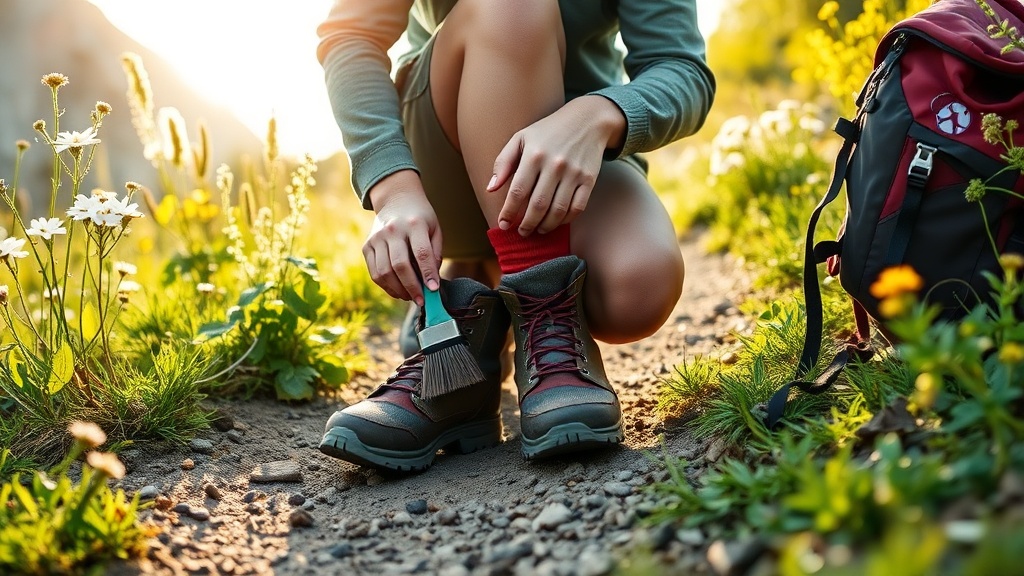
- Remove excess dirt. Use a soft brush or an old toothbrush to scrape off clumps of mud. REI’s boot‑cleaning guide recommends a gentle approach to avoid damaging leather.
- Wash gently. Mix warm water with a few drops of eco‑friendly dish soap. Submerge the boots for 5‑10 minutes, then rinse with clean water.
- Dry properly. Stuff the boots with newspaper and let them air‑dry away from direct heat. This prevents the leather from cracking.
- Re‑apply waterproofing. For leather, use a beeswax‑based product like All‑Weather Wax. For synthetics, spray a silicone‑free spray such as EcoGuard. Follow the manufacturer’s instructions and let cure for 24 hours.
2. How can I inspect and repair my backpack?
Why it matters: A torn seam or broken strap can leave you stranded without gear.
- Check seams and zippers. Run a fingertip along every seam; any fraying or loose stitching needs a quick fix with a heavy‑duty polyester thread.
- Test straps and buckles. Load the bag with a few kilograms and tug each strap. Replace worn buckles with AltiGear stainless‑steel models that are 100% recyclable.
- Clean the fabric. Spot‑clean stains with a solution of water, white vinegar, and a splash of biodegradable soap. Rinse with a damp cloth and let air‑dry.
- Apply fabric protector. Spritz a light coat of EcoShield fabric guard to repel water and dirt without harmful chemicals.
3. How do I test and maintain waterproof gear (jackets, rain covers, dry bags)?
Why it matters: A leak can soak your pack and ruin electronics.
- Perform the water‑bead test. Sprinkle water on the surface; beads should roll off. If they soak in, it’s time for a re‑treat.
- Re‑apply DWR (Durable Water Repellent). Use a plant‑based DWR spray like GreenGuard. Spray evenly, let dry, then heat‑activate with a low‑heat dryer for 20 minutes.
- Check seams. Seal any tiny gaps with a silicone‑free seam sealer. EcoSeal offers a low‑VOC option.
4. How can I ensure my navigation tools are ready?
Why it matters: A dead battery or outdated map can lead to costly detours.
- Battery health. For handheld GPS units, charge to 100 % and run a quick calibration. Replace AA/AAA alkaline cells with rechargeable NiMH batteries.
- Software updates. Connect the device to Wi‑Fi and download the latest firmware from the manufacturer’s site (e.g., Garmin).
- Map data. Verify that the topographic maps match the latest USGS releases. Download any new layers before you head out.
- Physical backup. Carry a paper topographic map and a compass. Test the compass for declination errors using a known reference point.
What eco‑friendly products should I consider?
When I’m prepping gear, I gravitate toward brands that prioritize sustainability. Here are a few that have earned my trust:
- All‑Weather Wax (Beeswax blend). Biodegradable, no petroleum‑based chemicals.
- EcoGuard Waterproof Spray. Plant‑based silicone alternative; works on synthetics.
- AltiGear Stainless‑Steel Buckles. Made from recycled metal, 100% recyclable at end of life.
- GreenGuard DWR Spray. Certified non‑toxic, carbon‑neutral production.
- EcoSeal Seam Sealer. Low‑VOC, water‑based formula safe for fabrics.
How does this checklist fit into my broader adventure planning?
Gear maintenance is one piece of the Adventure Trip Planning Checklist. After you’ve secured flights and permits, give your equipment the same level of scrutiny you give your itinerary. A well‑maintained kit reduces unexpected costs and lets you focus on the trail.
Quick reference: Spring Gear Maintenance Checklist
| Category | Task | Eco‑Friendly Product |
|---|---|---|
| Boots | Brush, wash, dry, re‑waterproof | All‑Weather Wax, EcoGuard Spray |
| Backpack | Inspect seams, test straps, clean, apply protector | AltiGear Buckles, EcoShield Guard |
| Waterproof Gear | Water‑bead test, re‑apply DWR, seal seams | GreenGuard DWR, EcoSeal |
| Navigation | Charge batteries, update firmware, verify maps, pack paper backup | Rechargeable NiMH cells |
Takeaway
Spring isn’t just a season; it’s a reset button for your adventure gear. By following this checklist, you’ll head out with confidence, avoid costly gear failures, and stay true to the sustainable ethos that guides every trek I plan. Grab a coffee, pull out your gear, and give each piece the love it deserves — the trails will thank you.
Need a full packing list? Check out my Adventure Travel Packing Checklist 2026. Curious about the latest trends? See the 2026 Adventure Gear Trends post. And don’t forget the Adventure Trip Planning Checklist for a complete pre‑trip prep.