The Dolomites Adventure Blueprint: Hut-to-Hut Hiking, Via Ferrata, and Smart Planning

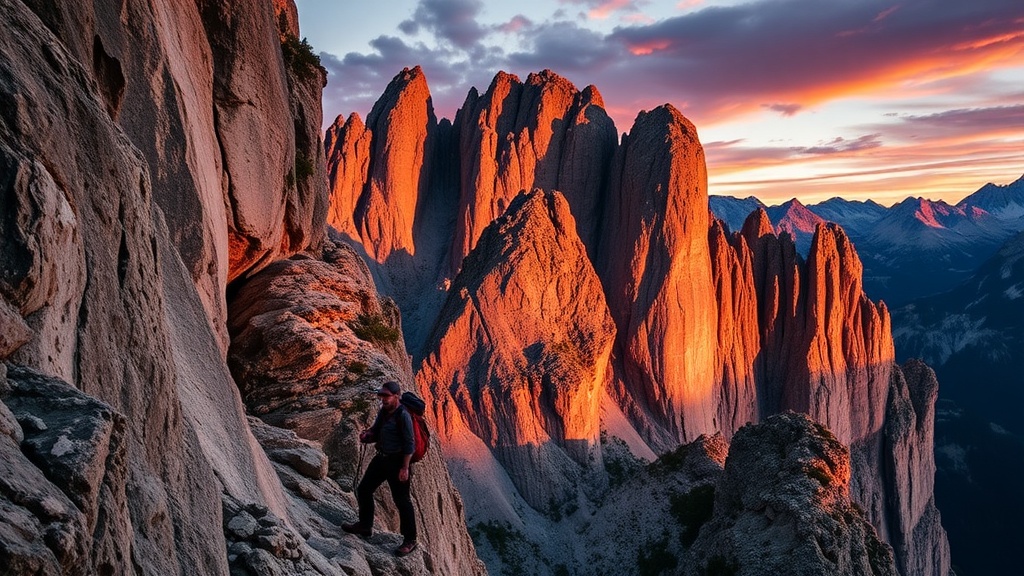
The Dolomites are where alpine drama meets practical adventure. Sheer limestone towers, narrow ridgelines, and high meadows stitched together by rifugi (mountain huts) create a network that rewards both careful planning and a willingness to adapt. This is not a place for passive sightseeing. It’s a place where your route choices, timing, and pack weight directly shape the experience.
Why the Dolomites Work for Multi-Day Adventure
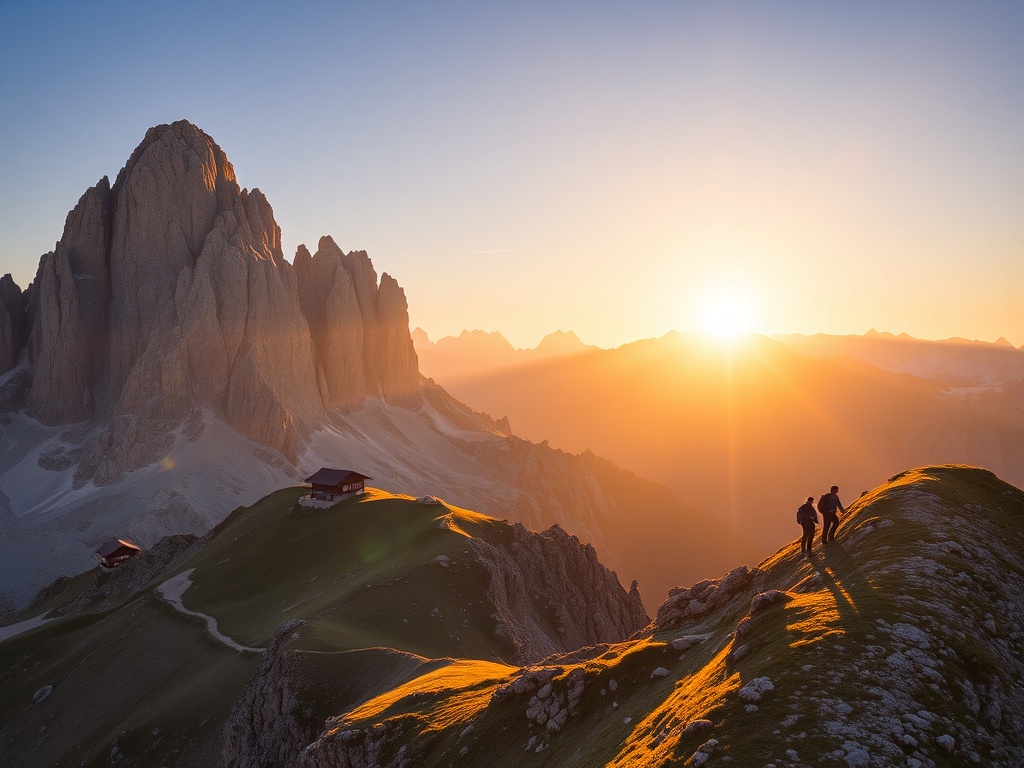
Unlike many alpine regions that require full self-sufficiency, the Dolomites offer a hybrid model: you move light, but still cover serious terrain. Rifugi provide hot meals, beds, and route intel. That means you can link high passes and exposed ridgelines without hauling a week’s worth of food.
The terrain is varied but predictable. You’ll move from forest to scree to narrow ledges in a single day, but the trail infrastructure is excellent. Cable-protected sections (via ferrata) expand access to otherwise technical routes, letting non-climbers experience vertical terrain safely—with the right gear and judgment.
Choosing Your Route: Alta Via vs Custom Loop
The classic choice is Alta Via 1—a north-to-south traverse that hits many of the range’s highlights. It’s efficient, social, and well-marked. But it can feel crowded in peak season.
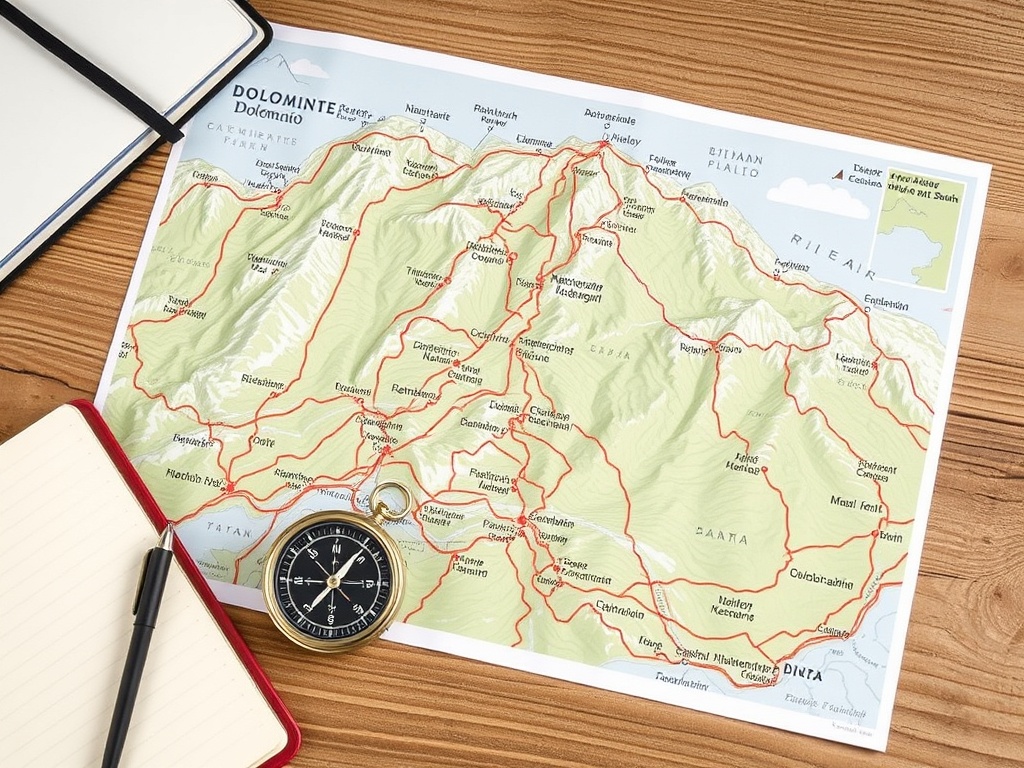
A custom loop gives you more control. Start near Cortina d’Ampezzo or Val Gardena and design a 3–6 day circuit that strings together specific rifugi. This approach lets you bias toward quieter valleys, more technical segments, or better sunrise viewpoints.
Rule of thumb: if this is your first Dolomites trip, use a modified Alta Via section. If you’ve done alpine trekking before, build your own loop and include at least one via ferrata day.
Via Ferrata: Access Without Climbing Experience
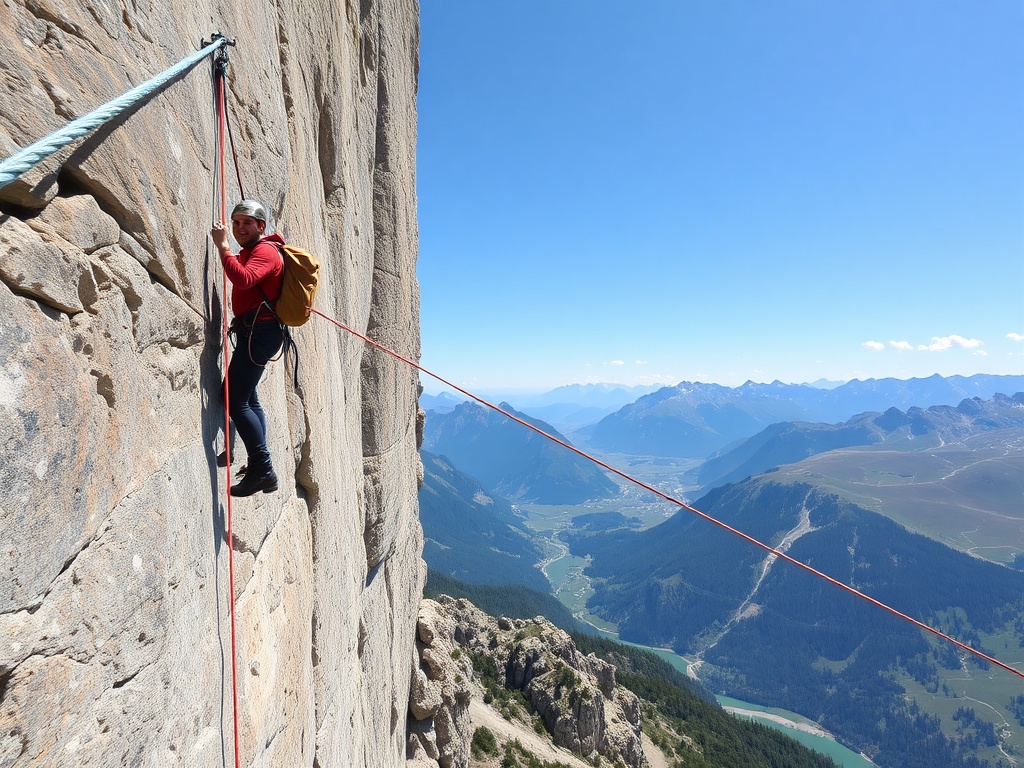
Via ferrata routes use fixed cables, ladders, and anchors to protect exposed sections. They’re not hikes, but they’re also not full climbs. The learning curve is manageable, but the consequences of mistakes are real.
You’ll need a helmet, harness, and via ferrata lanyard with energy absorber. Many towns rent full kits. Choose routes graded B–C for your first outing—these balance exposure with manageable movement.
- Best intro: Via Ferrata degli Alpini—consistent protection, big views.
- Step up: Brigata Tridentina—longer, more sustained exposure.
- Avoid early: Anything graded D or above unless you have climbing experience.
Rifugi Strategy: Book Smart, Eat Well
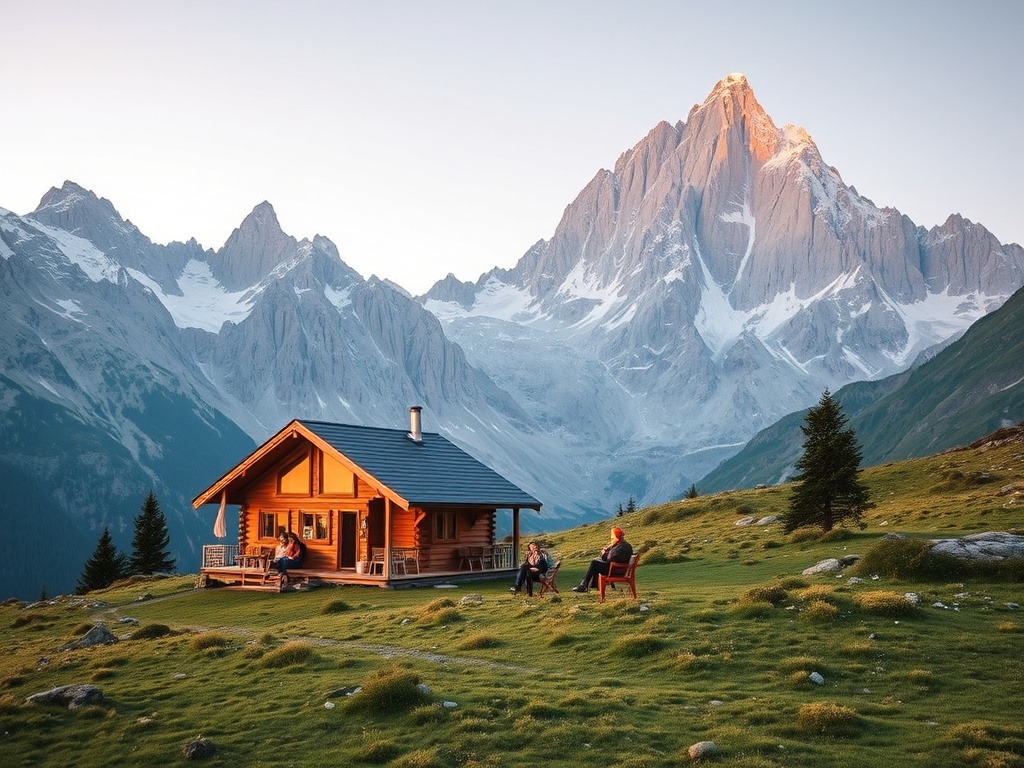
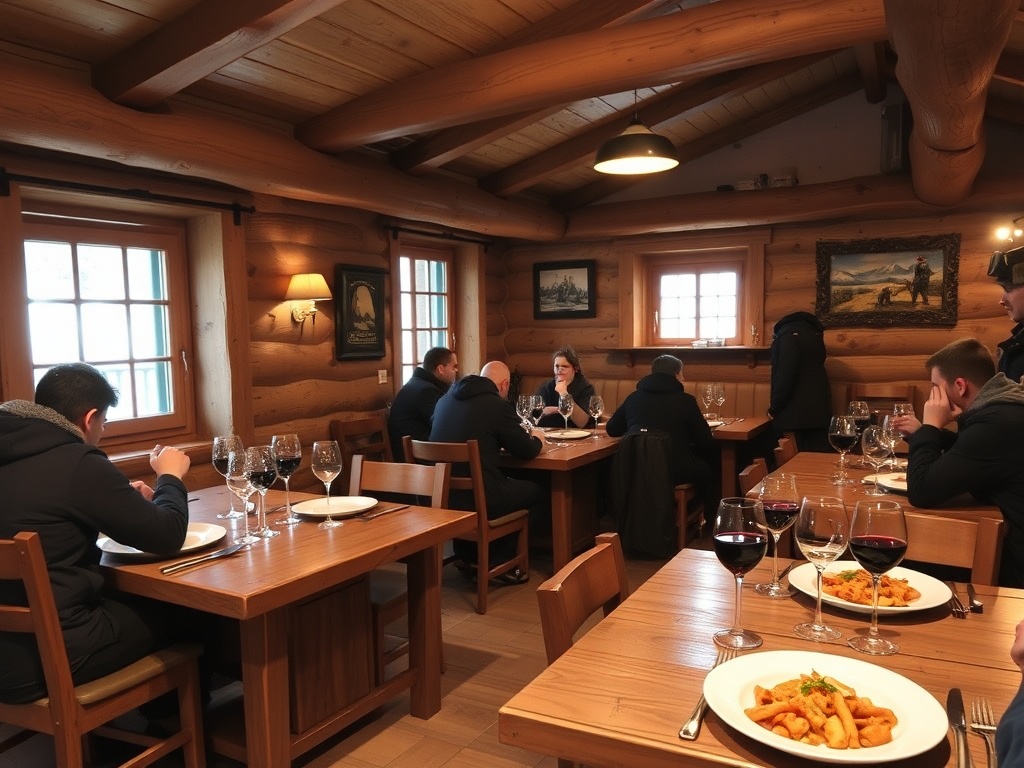
Rifugi are the backbone of Dolomites logistics. Most offer half-board (dinner + breakfast), and dinners are better than you’d expect: pasta, local meats, and regional wine.
Reservations matter from late June through September. Aim to book 4–8 weeks out for popular routes. If you’re building a custom loop, call or email rifugi directly—many don’t rely on centralized booking systems.
- Carry cash—some huts don’t take cards.
- Pack a sleeping bag liner (often required).
- Arrive early if storms are forecast; routes can close quickly.
Weather Windows and Timing
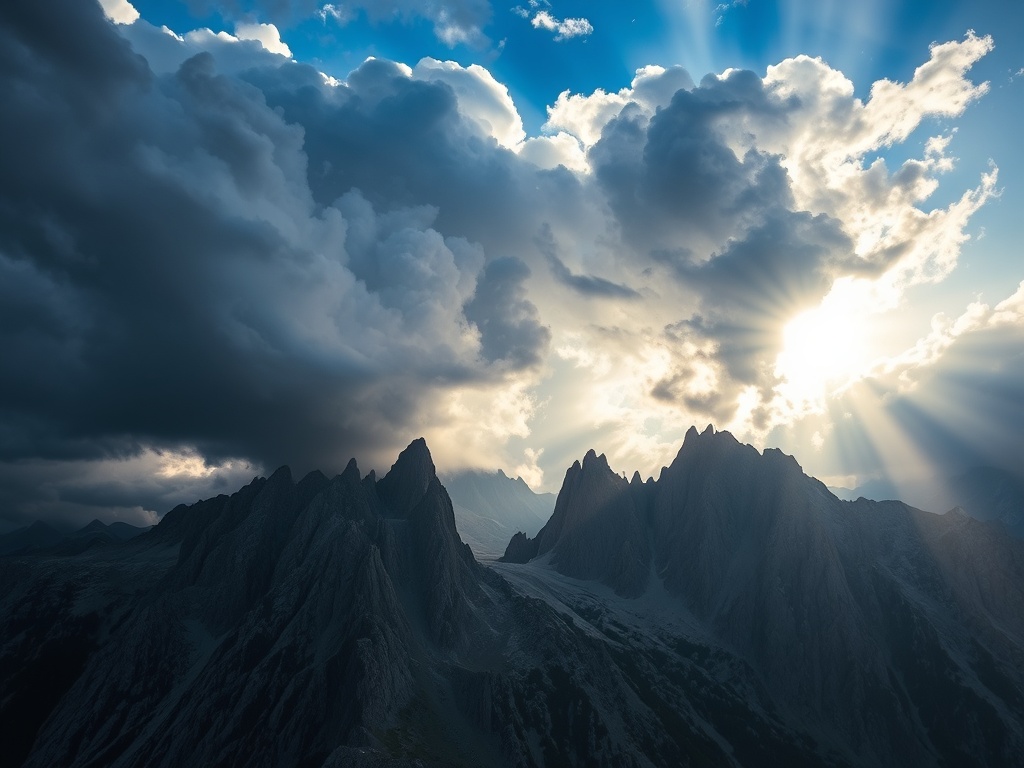
The Dolomites reward early starts. Afternoon thunderstorms are common in summer, especially in July and August. Plan to be off exposed ridges by early afternoon.
September is a sweet spot: fewer crowds, stable weather, and crisp visibility. Snow can arrive early at higher elevations, so monitor forecasts closely.
Daily rhythm: wake at first light, move steadily, take a long lunch near a hut, and finish before storms build.
Packing for Efficiency, Not Comfort
Your pack defines your trip. Every extra kilogram slows you on steep ascents and exposed traverses.
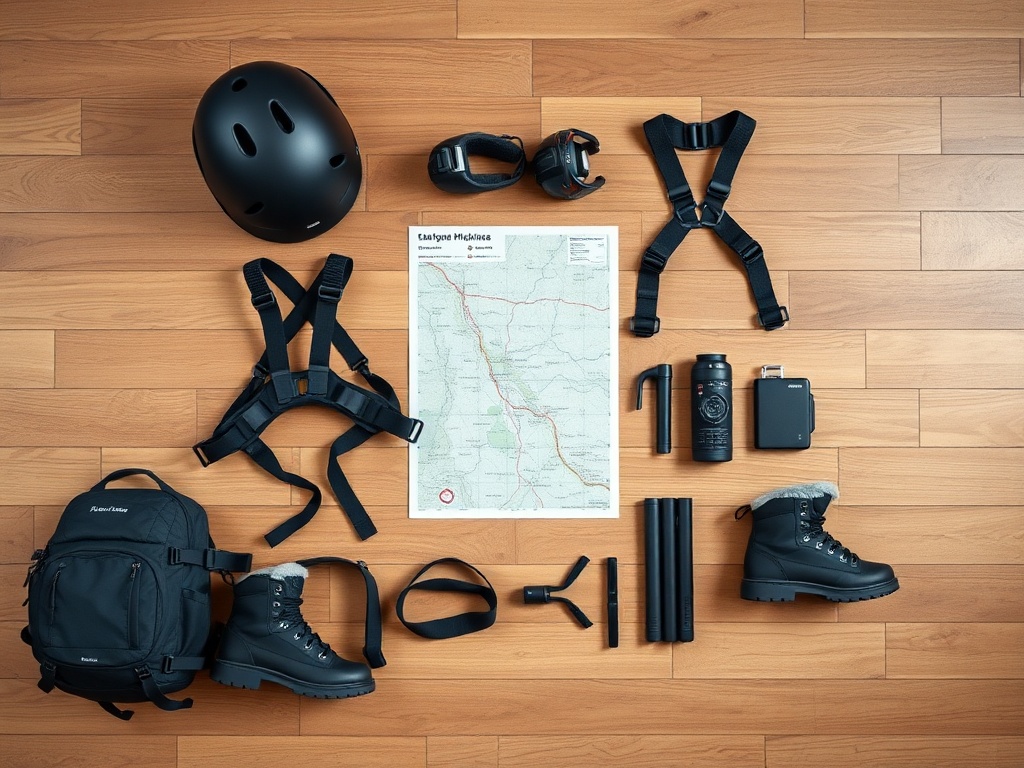
- 30–40L pack is sufficient for hut-to-hut routes.
- Lightweight waterproof shell—storms are fast and intense.
- Trail shoes or light boots with good grip on limestone.
- Via ferrata kit if you plan protected routes.
- Minimal clothing—rotate and dry at huts.
Skip redundant gear. You’re not camping; you’re moving between infrastructure. Optimize for movement, not contingencies you’ll never use.
Sample 4-Day Dolomites Loop
This route balances classic views with manageable logistics:
- Day 1: Lagazuoi area → Rifugio Scotoni. Warm-up terrain, big sunset views.
- Day 2: Scotoni → Rifugio Fanes. High plateau, quiet valleys.
- Day 3: Fanes → Cortina region via optional via ferrata. Technical option available.
- Day 4: Short hike out or cable car descent.
This loop keeps daily distances reasonable while allowing optional technical segments depending on conditions and energy.
Common Mistakes to Avoid
- Underestimating exposure: Even marked trails can feel airy.
- Overpacking: Weight compounds quickly on steep terrain.
- Late starts: Weather shifts fast in the afternoon.
- Skipping reservations: Popular huts fill up early.
The Dolomites reward disciplined decision-making more than raw fitness. Strong hikers still struggle if they ignore timing and terrain.
Final Take: Build for Flexibility
The best Dolomites trips aren’t rigid itineraries. They’re structured plans with room to adjust. Weather shifts, energy fluctuates, and some routes will simply feel better than others once you’re on the ground.
Anchor your trip with booked rifugi and a clear direction of travel. Then leave space for opportunistic decisions—an extra via ferrata, a longer lunch at a scenic hut, or a reroute to avoid incoming storms.
That balance—structure with flexibility—is what turns a Dolomites trip from a checklist into a real adventure.