
The One Packing Rule That Makes Every Adventure Trip Easier

Quick Tip
Pack for mobility, not possibility—every item should make moving easier, not just prepare you for unlikely scenarios.
Most travelers obsess over what to pack. The smarter move is deciding what not to pack. After years of watching overloaded backpacks derail otherwise great trips, one rule consistently separates smooth adventures from stressful ones: pack for mobility, not possibility.
This isn’t minimalist travel for the sake of aesthetics. It’s about moving faster, adapting easier, and avoiding the slow creep of decision fatigue that comes from carrying too much. If your bag makes you hesitate before changing plans, you packed wrong.

The Rule: Pack for Mobility, Not Possibility
Every item you add should answer one question: Will this make me more mobile? Not “might I need this,” not “just in case,” and definitely not “it doesn’t weigh that much.”
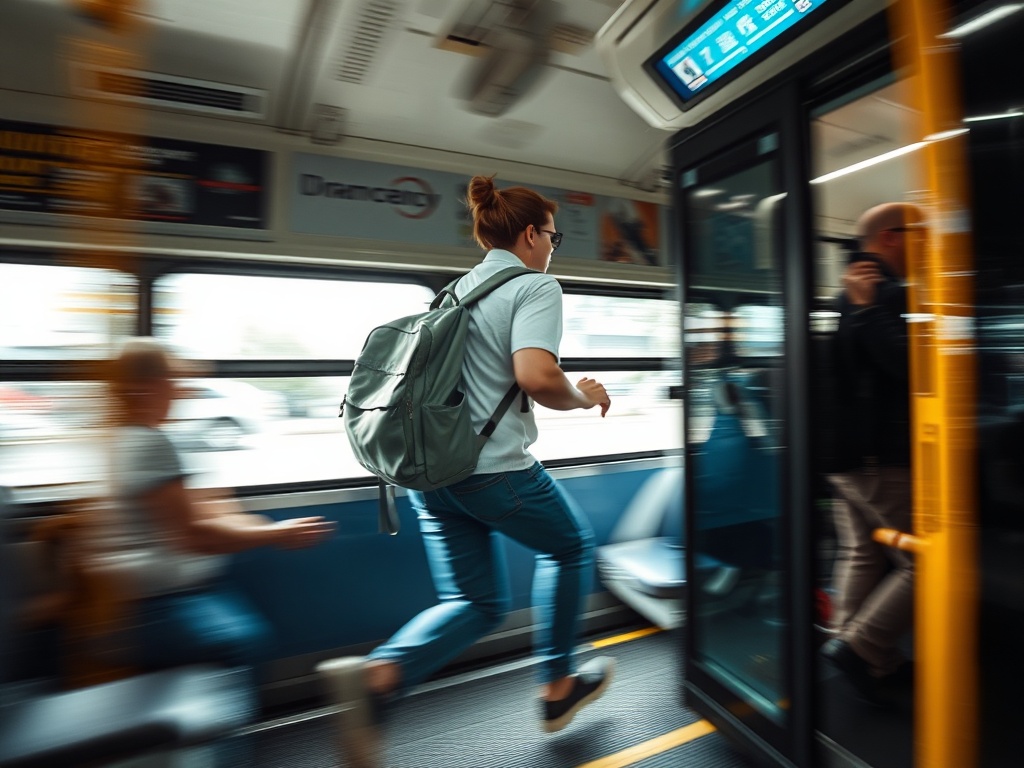
Mobility means you can walk farther without fatigue, pivot plans without stress, and avoid logistics like checked baggage, taxis, or storage lockers. It’s the difference between catching a last-minute boat or missing it because you’re wrestling with gear.
The surprising part? Packing lighter doesn’t limit your trip. It expands it.

Why Overpacking Quietly Ruins Adventure Travel
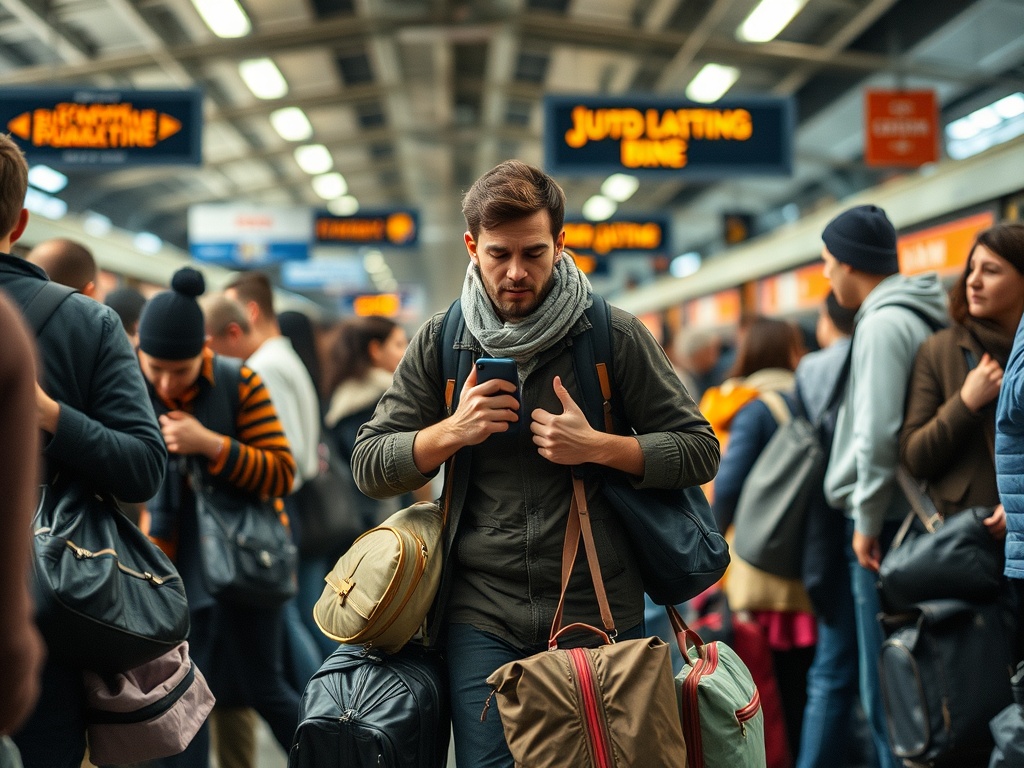
Overpacking rarely causes a single dramatic failure. It chips away at your trip in small, constant ways:
- Slower transitions: Every bus, train, or flight becomes a logistics puzzle.
- Reduced spontaneity: You avoid detours because moving your stuff feels like a chore.
- Physical fatigue: Carrying extra weight compounds over long days.
- Decision friction: More gear means more choices, more second-guessing.
Adventure travel rewards speed and flexibility. Overpacking does the opposite.
How to Apply the Rule in Real Life
This isn’t about guessing what to remove. It’s a systematic way to edit your packing list.
1. Start With a Smaller Bag Than You Think
If you begin with a large backpack, you’ll fill it. Choose a 30–40L pack for most trips. The constraint forces better decisions before you even start.
2. Build Around Versatility
Every item should serve multiple roles. A lightweight jacket that works for wind, light rain, and evenings replaces three separate pieces. Neutral clothing mixes into more outfits with fewer items.
3. Cut the “Just in Case” Items
This is where most weight hides. Ask yourself: What happens if I don’t have this? In most destinations, the answer is simple—you buy or improvise.
4. Plan for Laundry, Not Volume
Packing 10 days of clothes for a 10-day trip is a mistake. Pack 4–5 days and wash. This single shift cuts your load dramatically.
5. Wear Your Bulkiest Items
Jackets, boots, and heavier layers belong on your body during transit. It’s not glamorous, but it works.
What This Looks Like on a 10-Day Adventure
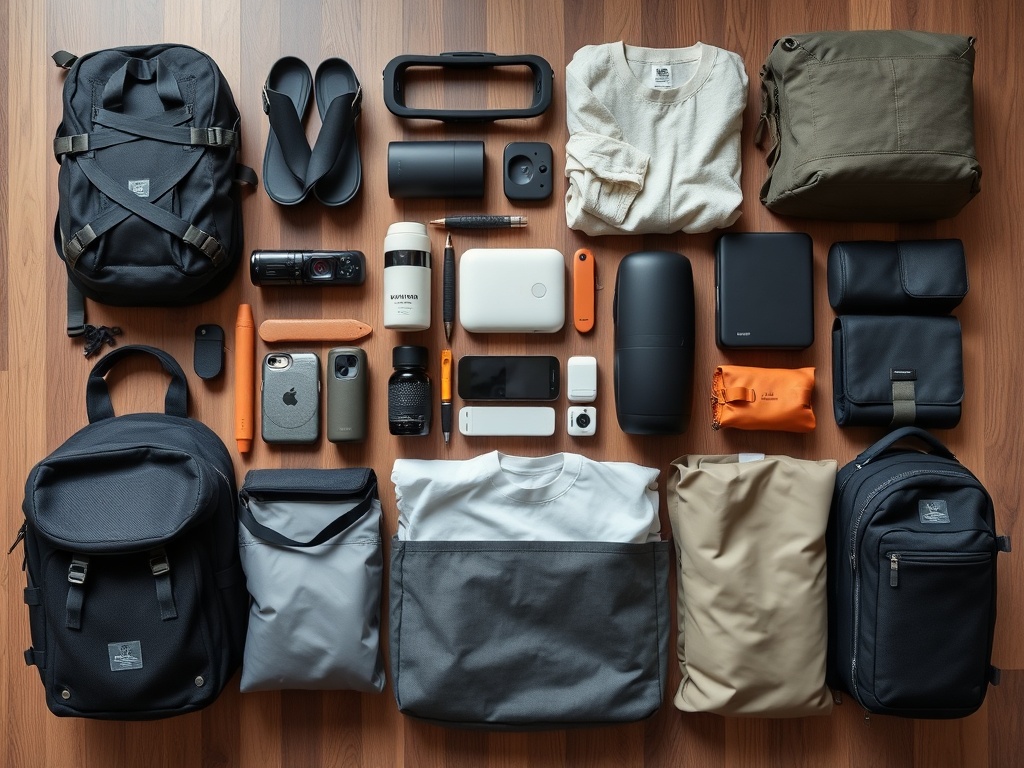
A mobility-focused packing list might look like this:
- 4 shirts (quick-dry)
- 2 pairs of pants or shorts
- 1 lightweight jacket
- 1 pair of versatile shoes
- Compact toiletries kit
- Minimal tech (phone, charger, small power bank)
That’s it. No backup shoes. No redundant outfits. No specialty gear unless the trip truly demands it.
The result is a bag you barely think about—and that’s the goal.
The Hidden Advantages You Only Notice Later
The real payoff shows up mid-trip:
- You say yes to more opportunities because moving is easy.
- You spend less time packing, unpacking, and reorganizing.
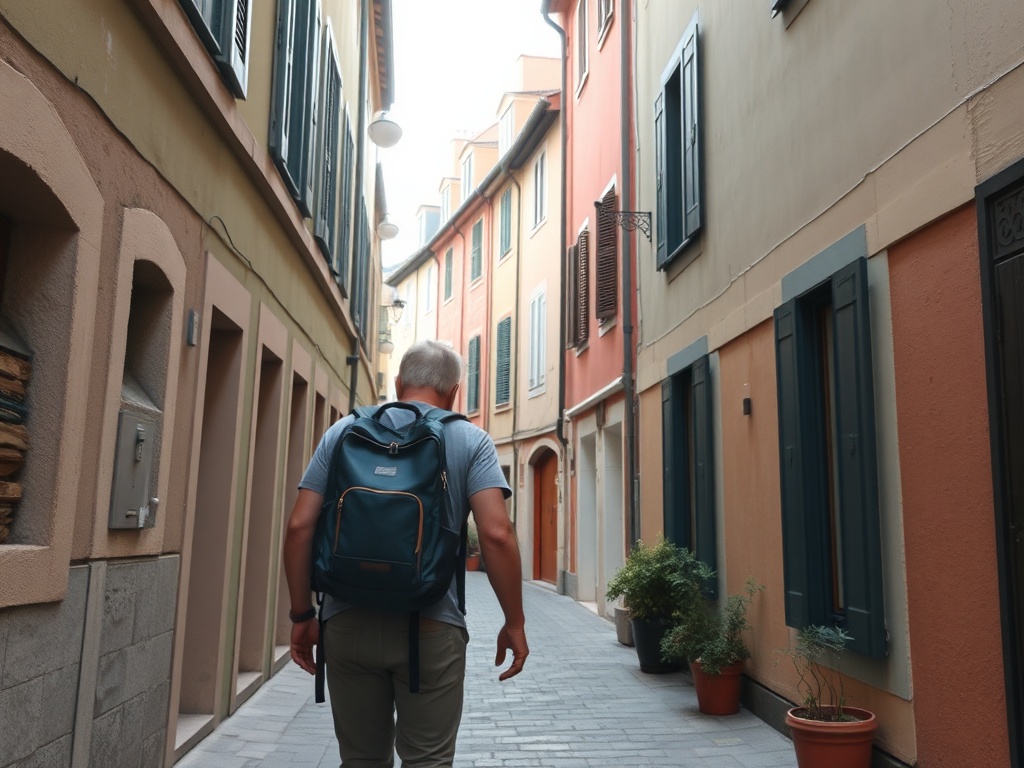
- You blend in better without bulky luggage marking you as a visitor.
- You reduce stress in ways that are hard to quantify but immediately felt.
Light travel compounds. Every small decision becomes easier, and those gains stack over days.

Where This Rule Matters Most
This approach becomes critical in trips that involve frequent movement:
- Multi-city itineraries
- Backpacking routes
- Adventure-heavy trips (hiking, diving, climbing)
- Destinations with uneven infrastructure
If your trip includes more than two major transitions, packing for mobility stops being optional.
Common Objections (And Why They Don’t Hold Up)
“What if I need something specific?”
You can usually buy it locally for less than the cost of carrying it everywhere.
“I like having options.”
Options feel good at home. On the road, they slow you down.
“I’ve always packed this way.”
Most people do—until they experience a lighter trip once.
How to Test This Without Risk
If you’re hesitant, try this on a shorter trip first. Pack your usual list, then remove 30% before leaving. You’ll quickly learn what you actually use.
Another tactic: pack everything, then carry your bag around for 20 minutes. Anything that feels unnecessary suddenly becomes obvious.
The Bottom Line
The best gear decision you can make isn’t what to bring—it’s what to leave behind. Packing for mobility turns travel into something fluid instead of heavy.
Once you experience a trip where your bag never slows you down, it’s hard to go back.