The One Travel Habit That Turns Any Trip Into a Real Adventure (And Why Most People Skip It)
Quick Tip
Leave at least 20% of your travel itinerary intentionally unplanned to create space for spontaneous, memorable experiences.
Most travelers spend weeks choosing destinations, comparing flights, and building tight itineraries—only to return home feeling like they skimmed the surface. The difference between a “trip” and an actual adventure isn’t budget, distance, or even destination. It’s a single habit that almost no one practices consistently.
That habit: deliberately leaving space for unplanned exploration.
This sounds simple, but in practice it’s uncomfortable, inefficient, and wildly effective. It’s the difference between following a checklist and experiencing a place in a way that sticks with you long after you’re back home.
Why Overplanning Kills Adventure
There’s a quiet pressure in modern travel to optimize everything. You’ve got guides, TikTok itineraries, “48 hours in…” blog posts, and endless recommendations. The result? A schedule so packed it leaves no room for curiosity.
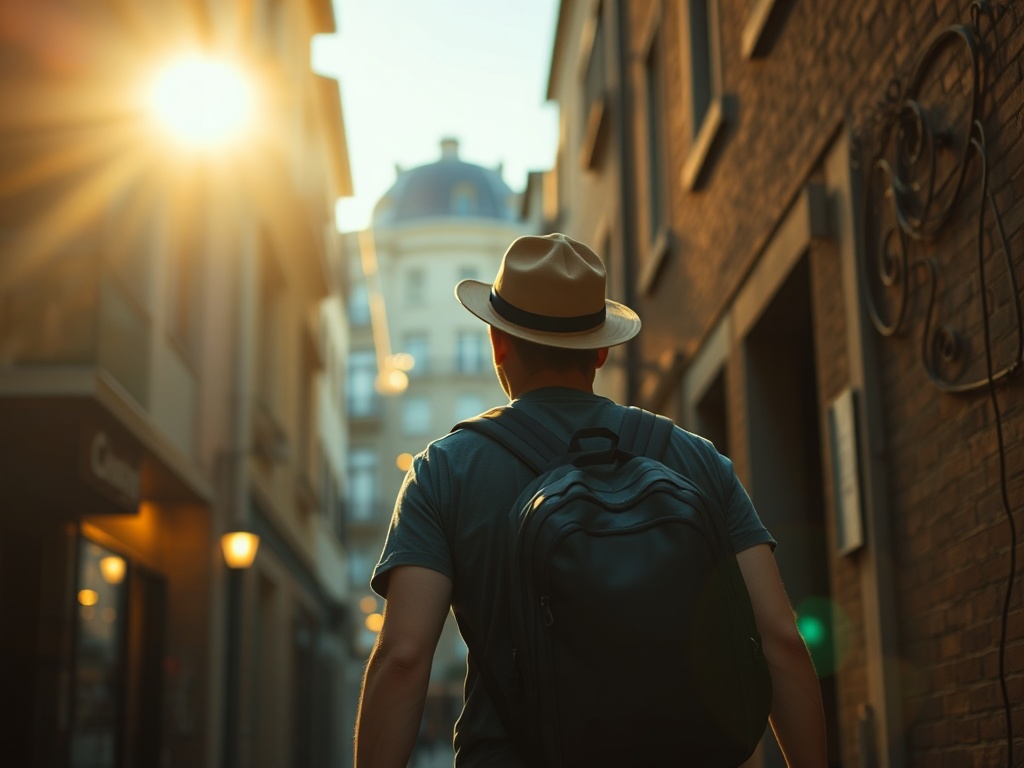
When every hour is spoken for, you stop noticing things. You walk past side streets. You ignore conversations. You rush meals. You become a spectator instead of a participant.
Adventure requires friction—moments where you don’t know exactly what comes next. That uncertainty is where discovery lives.

The 20% Rule: Your New Travel Default
If you want a practical way to apply this habit, use what I call the 20% Rule.
Only plan 80% of your trip. Leave 20% intentionally unstructured.
That unstructured time isn’t for rest (though it can include it). It’s for wandering, detours, conversations, and saying yes to things you didn’t know existed when you booked your flight.
- Block entire afternoons with nothing scheduled
- Leave one full day open in longer trips
- Avoid booking every meal in advance
- Say no to at least one “must-do” to create space
This isn’t about being reckless. It’s about creating margin.
What Actually Happens When You Leave Space
Here’s what typically fills that 20%—and why it matters more than anything you planned.
1. You Follow Curiosity Instead of Instructions
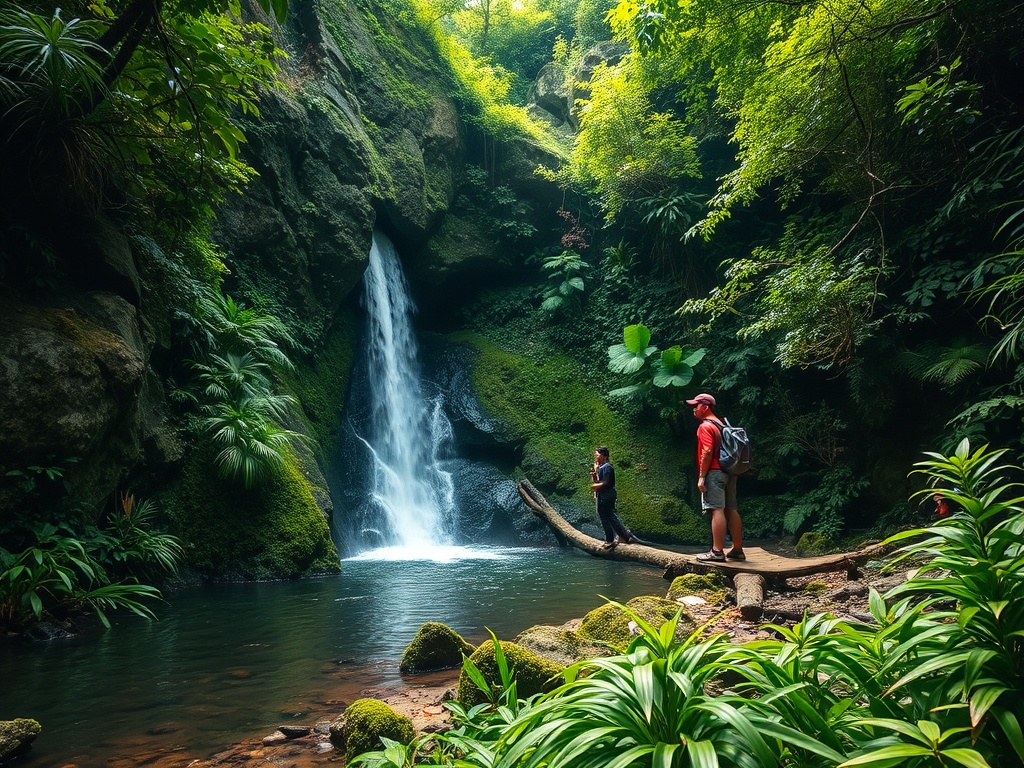
You notice a trailhead with no signage. A café with no English menu. A festival you didn’t research. These moments don’t show up in curated lists—and that’s exactly why they’re memorable.
2. You Talk to People More
When you’re not rushing, you linger. That’s when conversations happen—whether it’s a shop owner, a guide, or another traveler with a better idea than your itinerary.
3. You Discover Micro-Experiences
Not every highlight is a landmark. Some are tiny: a hidden viewpoint, a street musician, a local dish you didn’t plan to try. These are the stories you actually tell later.
How to Make Unplanned Time Feel Safe (Not Stressful)
The biggest reason people avoid this habit is anxiety. What if you waste time? What if you miss something important?
Here’s how to remove that fear without overplanning.
Anchor Your Days
Pick one or two “anchors” per day—key activities or sights. Everything else remains flexible.
Do Light Recon, Not Full Scheduling
Know your options, but don’t lock them in. Save places on a map without assigning them to specific time slots.
Use Geography, Not Timelines
Group ideas by area instead of hour. Then explore organically within that zone.
Set a Loose Theme
Give your day a direction (food, nature, culture), not a script.
Where This Works Best (And Where It Doesn’t)
This approach isn’t universal. It shines in certain types of trips:
- Cities with walkable neighborhoods (Lisbon, Kyoto, Mexico City)
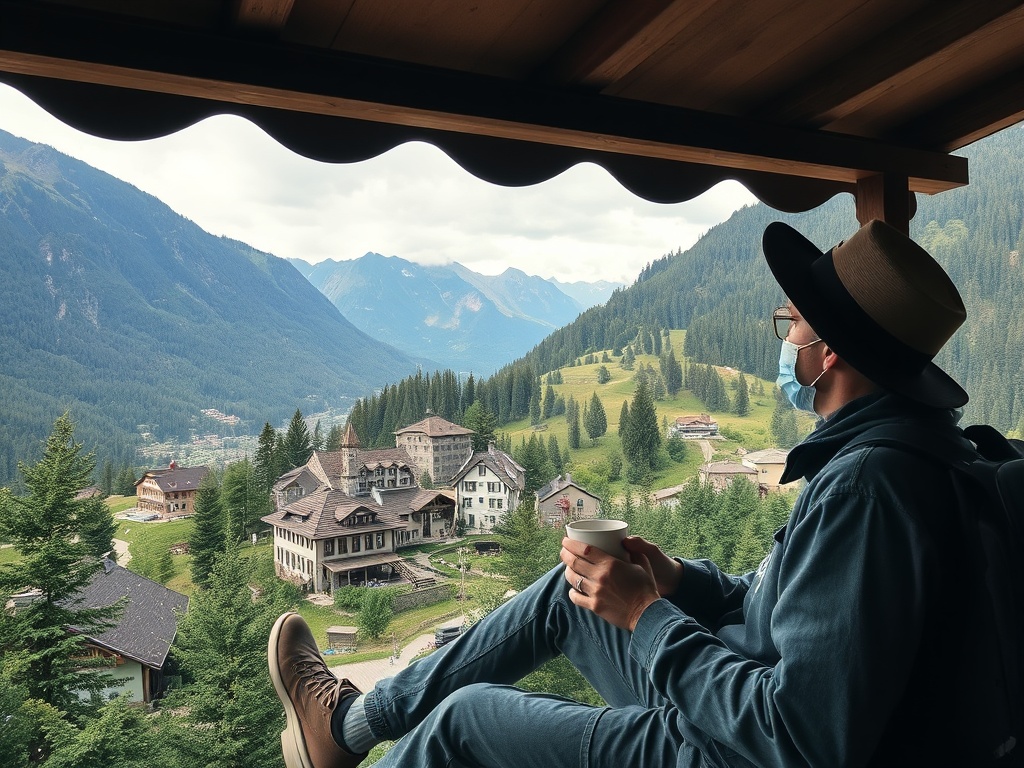
- Nature-heavy destinations where trails and viewpoints aren’t fixed
- Longer trips where flexibility compounds
It’s less effective when:
- Permits and bookings are required (e.g., specific treks)
- You have extremely limited time (1–2 days total)
- Logistics are complex (multi-flight remote routes)
Even then, you can still carve out small pockets of unscheduled time.
The Real Payoff: Trips That Feel Like Yours
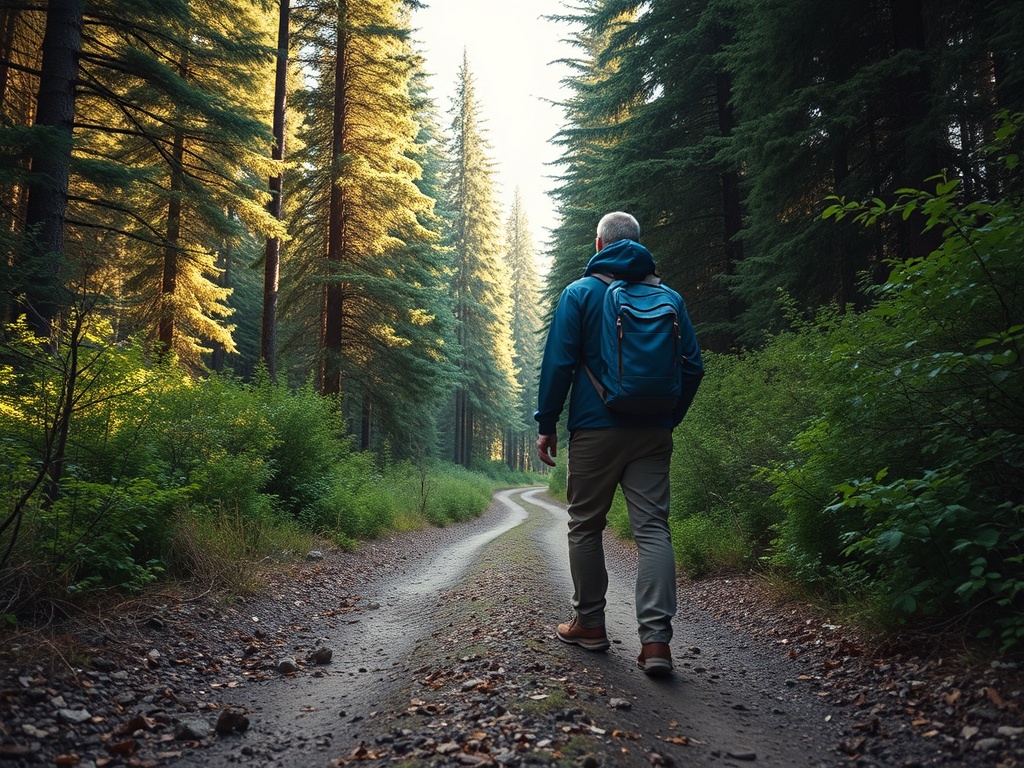
When you stop trying to replicate someone else’s itinerary, your trip starts to feel personal. You remember how things felt, not just what you saw.
You develop a sense of ownership over the experience. You weren’t just there—you figured things out, made decisions, and shaped the outcome.
That’s what turns travel into something closer to adventure.
How to Start on Your Next Trip
If this feels like a big shift, start small:
- Leave your first afternoon completely open
- Skip pre-booking one dinner
- Walk without a destination for one hour
- Say yes to one unexpected opportunity
Then notice what happens. Most travelers find that these moments quickly become the highlight of the trip.

The Bottom Line
Better travel isn’t about doing more—it’s about leaving space for what you can’t plan.
If you change one thing about how you travel, make it this: stop filling every gap.
That empty space is where the real experience begins.