The Real Cost of a Self-Guided Kayak Expedition in Norway

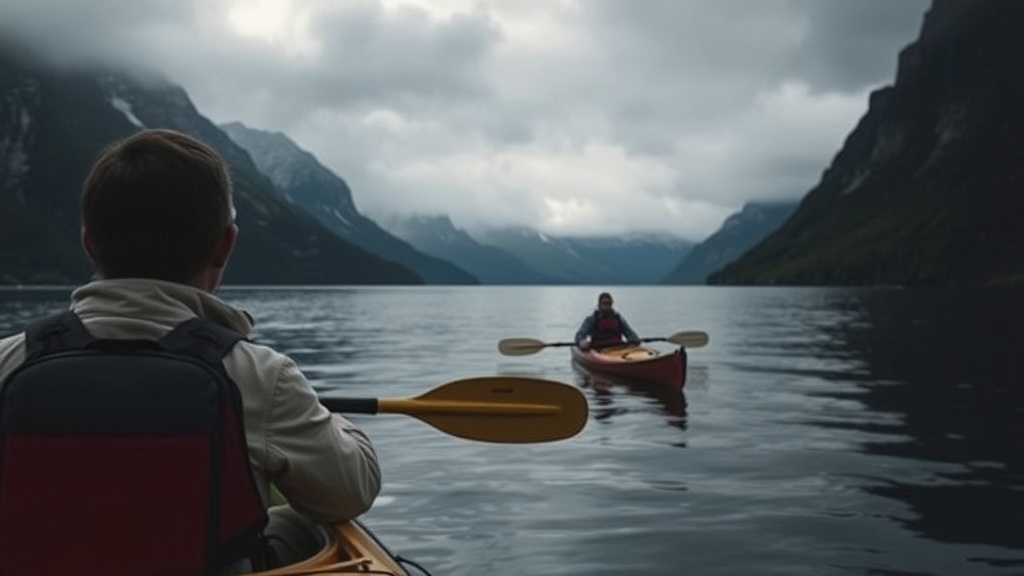
Imagine standing at the edge of a deep, emerald-green fjord in Geiranger. The water is dead still—not a single ripple from a passing boat—and the only sound is the rhythmic drip of water from your paddle. You aren't on a crowded tour boat with forty other tourists; you're in a sea kayak, handling the narrow passages between towering granite cliffs. This is the dream of a Norwegian fjord expedition, but it isn't cheap, and the logistics of being self-sufficient in the North Atlantic are far more complex than just renting a boat for a day. This guide breaks down the actual capital requirements and logistical hurdles of planning a solo or small-group kayak trek through Norway's coast.
When most people think of Norway, they think of expensive coffee and high hotel rates. While that's true, a self-guided expedition allows you to control your overhead by using the incredible outdoor infrastructure. You aren't paying for a luxury lodge; you're paying for high-grade safety gear, local transport, and high-calorie fuel. If you're trying to figure out if your budget can handle a week of paddling through the Lofoten Islands or the Sognefjord, you need to look at the granular details—the gear, the food, and the often-overlooked transport costs.
How much does it cost to rent high-end sea kayaking gear in Norway?
You can't just show up with a cheap recreational boat. If you're heading into the fjords, you need a sea kayak with a proper skeg or rudder, a dry bag system, and a reliable spray skirt. Most serious adventurers rent their kits from local outfitters in hubs like Ålesund or Tromsø. Expect to pay anywhere from $60 to $100 USD per day for a high-quality sea kayak rental. This usually includes a paddle, a PFD (Personal Flotation Device), and sometimes a dry suit or high-end waders.
Don't forget the small stuff. A high-quality dry bag or a waterproof backpack can run you $150 if you buy it, or you can rent one for a few dollars. I always recommend buying your own small dry bags rather than renting them—it's a one-time cost that ensures your electronics don't end up at the bottom of the fjord. If you're looking for high-quality technical apparel, check out the REI Co-op guides for gear standards, but keep in mind that Norwegian brands like Norrøna are the local gold standard for a reason.
| Item | Estimated Daily Cost (USD) | Notes |
|---|---|---|
| Sea Kayak Rental | $70 | Includes paddle and PFD |
| Dry Suit Rental | $30 | key for safety in cold water |
| Camping Gear (Tent/Stove) | $25 | If not bringing your own |
| Daily Food/Fuel | $45 | High-calorie needs for paddling |
The table above represents a baseline. If you're a professional with a full-time job, you're likely trying to maximize your time. Instead of renting day-by-day, look for weekly packages. Many outfitters offer a reduction if you commit to a 7-day rental, which can shave 15% off your total gear cost.
Where can you find free or low-cost camping in the fjords?
One of the greatest advantages of the Norwegian space is the Allemannsretten—the right to roam. This law allows you to camp almost anywhere in the wilderness, provided you are at least 150 meters from the nearest inhabited house and leave no trace of your presence. This is a massive cost-saver. Instead of paying $200 a night for a boutique hotel, you're pitching a tent on a pebble beach under a mountain-sized cliff.
However, being an ethical adventurer is non-negotiable here. As we approach Earth Day, the focus on low-impact travel is more relevant than ever. The Norwegian ecosystem is fragile. When you're out in the fjords, your goal is to leave the site exactly as you found it. This means carrying out all trash—even organic waste like orange peels—and being extremely mindful of campfire restrictions. Many areas in the fjords have strict bans on open fires to protect the vegetation and prevent forest fires. Use a portable gas stove instead. It's cleaner, safer, and more efficient for cooking in the wind.
For those who need a bit more comfort, there are many "DNT cabins" (Norwegian Trekking Association) scattered throughout the country. While these aren't free, they are far more affordable than standard hotels. Some are unstaffed and require a key, while others provide a warm meal. It's a great way to transition from a high-intensity paddling-and-camping mode to a more stationary recovery mode.
Is it better to hire a guide or go self-guided in Norway?
This is the classic debate. If you're a seasoned paddler with your own gear, a self-guided trip offers unparalleled freedom. You can stay out longer, move at your own pace, and truly immerse yourself in the silence of the fjords. But if you've never dealt with the unpredictable winds of the North Atlantic or the complexities of tidal currents, a guide is a smart investment.
A professional guide isn't just a person who shows you the way; they are a safety net. They understand the micro-climates that can turn a calm fjord into a wind tunnel in twenty minutes. Hiring a guide for just the first two days of your trip can be a "hybrid" way to mitigate risk without blowing your entire budget. You learn the local waters, get a feel for the currents, and then branch off on your own once you've built confidence.
From a cost perspective, a guided 5-day expedition can easily run $1,500 to $2,500 per person. This covers the guide, the boats, the food, and the expertise. If you're trying to optimize your budget, I'd suggest researching the Official Norway Tourism website to find certified guides who specialize in small-group, low-impact expeditions. These smaller operations often provide a more intimate experience and a lower environmental footprint than the large-scale commercial tours.
When planning, I always look at the "total cost of ownership" for a trip. It's not just the flight and the rental. It's the cost of the high-protein food you need to keep your body heat up, the cost of the specialized waterproof gear, and the cost of the transport to get your boat from the rental shop to your starting point. If you're optimizing for experience over stuff, remember that the most valuable thing you're buying is the ability to be entirely self-reliant in one of the most beautiful places on Earth.
One thing to keep in mind is the weather. In Norway, the weather isn't just a background detail—it's a primary character in your story. You can plan a perfect trip, but a sudden low-pressure system can change your entire itinerary. This is why your gear choices must be intentional. A cheap, non-waterproof jacket isn't just a discomfort; it's a safety hazard. Invest in quality, or rent it. There is no middle ground when you're miles from the nearest road.
Lastly, consider the seasonality. If you go in July, you'll have nearly 24 hours of daylight, which is a massive advantage for navigation and safety. If you go in May or August, you might deal with more erratic weather, but you'll avoid the peak tourist crowds. From a budget standpoint, the shoulder seasons (late May or early September) often offer lower rental rates, though you'll need to be much more prepared for colder water temperatures.