The Real Cost of Adventure Travel: How to Plan Epic Trips Without Blowing Your Budget

Adventure travel has a reputation problem. Scroll through social feeds and it looks like every glacier trek, jungle expedition, or multi-day summit push requires a five-figure budget and unlimited time off. That’s not just misleading—it stops a lot of people from even trying.
The truth is more interesting: adventure travel can be expensive, but it doesn’t have to be reckless. With the right strategy, you can cut costs in the places that don’t matter and spend intentionally where it actually elevates the experience.
What Actually Drives Adventure Travel Costs
Before you can control your budget, you need to understand what’s inflating it. Most trips balloon in price due to a handful of predictable factors.
- Remote locations: The further you go from major infrastructure, the more expensive logistics become.
- Permits and park fees: National parks, protected areas, and regulated trails often charge premium access fees.
- Gear and equipment: Technical adventures (climbing, diving, mountaineering) come with upfront gear costs.
- Guides and safety: Some environments demand local expertise—and that’s money well spent.
- Seasonality: Peak conditions often align with peak pricing.
Once you see these clearly, you can start making tradeoffs instead of blindly overspending.
The Smart Budget Split (Where to Spend vs. Save)
Not all expenses are equal. The best adventure travelers are ruthless about cutting costs in low-impact areas and unapologetic about investing in high-impact ones.
Spend On:
- Safety-critical guides: Glacier travel, deep jungle routes, or high-altitude climbs aren’t DIY experiments.
- Core experiences: A once-in-a-lifetime trek or dive deserves priority in your budget.
- Reliable transport: Missing a remote transfer can derail your entire itinerary.
Save On:
- Accommodation: You’re here to explore, not sit in a luxury room.
- Food (strategically): Mix local markets and simple meals with occasional splurges.
- Flights timing: Flexibility can shave hundreds off long-haul routes.

Destination Choice Is the Biggest Lever
Two trips with identical activities can differ by thousands depending on location. Trekking in Patagonia versus trekking in the Balkans delivers very different price tags—even if the landscapes are equally dramatic.
Underrated regions often offer:
- Lower permit fees
- Cheaper accommodations
- Less crowded trails
- More authentic local interactions
Instead of asking, “Where is the most famous place?” ask, “Where can I get this experience without the premium?”
Timing Your Trip for Maximum Value
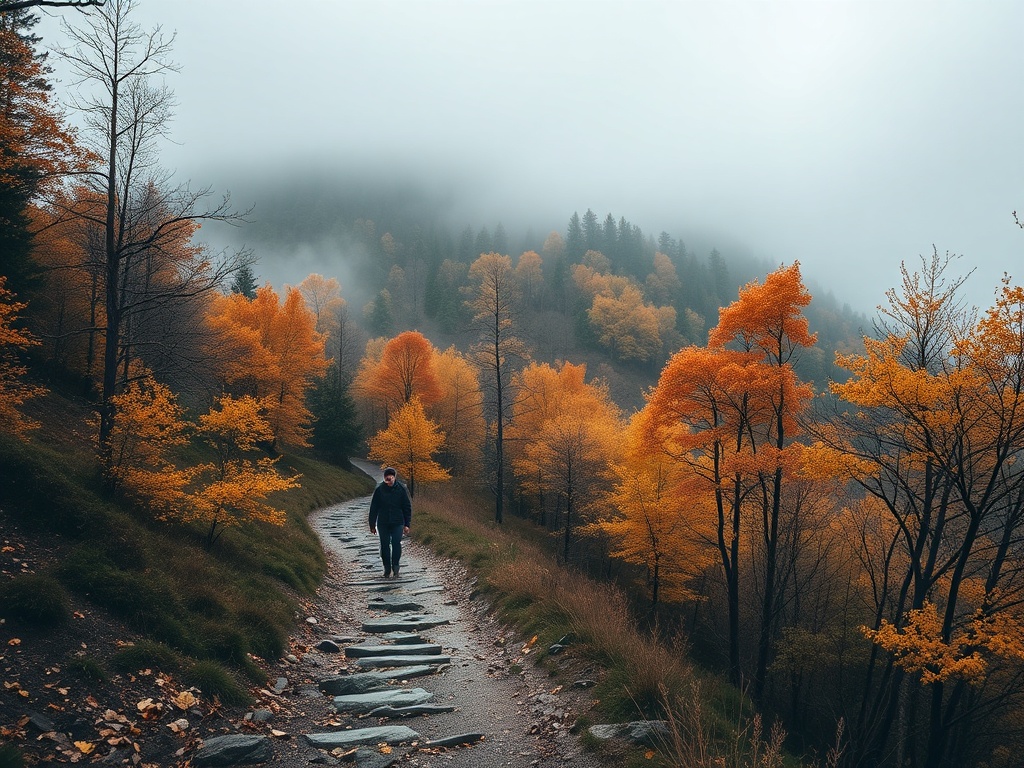
Shoulder seasons are the sweet spot for adventure travel. You’ll often get near-ideal conditions at a fraction of peak pricing.
For example:
- Early fall hikes: stable weather, fewer crowds
- Late spring expeditions: snow melting but still dramatic landscapes
- Post-peak travel: same infrastructure, lower demand
The difference can easily cut 20–40% off your total cost.
Gear Strategy: Rent, Borrow, or Buy?
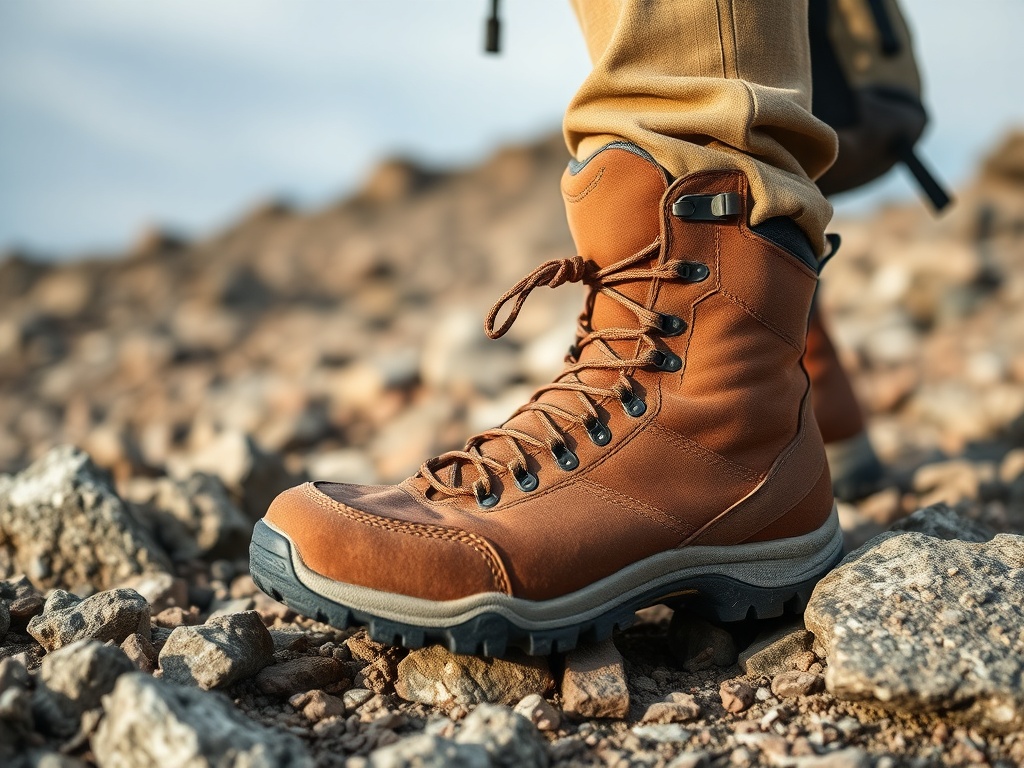
Gear is where many first-time adventurers overspend. Buying everything upfront feels safe—but often isn’t necessary.
- Rent locally: Ideal for specialized gear like crampons, wetsuits, or avalanche equipment.
- Borrow from friends: Underused gear is everywhere.
- Invest selectively: Footwear and backpacks are worth owning if you travel frequently.
Think of gear as a system, not a shopping list.
Building a Flexible Itinerary (Your Hidden Advantage)
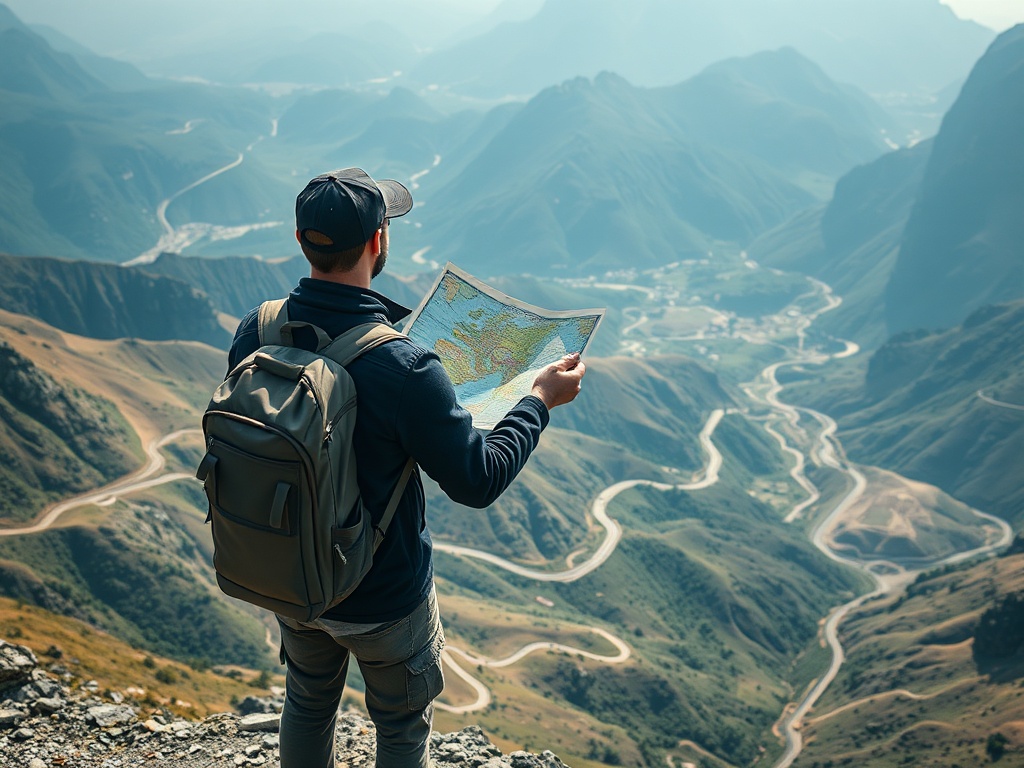
Rigid plans cost more. Flexibility gives you leverage—especially in regions where prices fluctuate or negotiations are possible.
A flexible itinerary allows you to:
- Adjust based on weather conditions
- Take advantage of last-minute deals
- Avoid peak congestion periods
It also creates space for the kind of unplanned moments that define great trips.
Real Example: A $5,000 Trip Reduced to $2,800
Let’s break this down. A typical multi-day trekking trip might initially look like this:
- Flights: $1,200
- Guided trek package: $2,000
- Accommodation + food: $1,200
- Gear purchases: $600
Total: $5,000
Now apply smarter decisions:
- Flexible flight dates: save $300
- Alternative destination: save $800
- Mix guided + self-guided segments: save $500
- Rent gear instead of buying: save $400
- Choose simple accommodations: save $200
New total: $2,800
Same style of adventure. Very different cost.

The Mindset Shift That Changes Everything
The biggest shift isn’t tactical—it’s mental. Stop treating adventure travel as a luxury product and start treating it as a system you can design.
Every decision becomes a lever:
- Location
- Timing
- Logistics
- Gear
- Experience priorities
Once you understand how these interact, you’re no longer reacting to prices—you’re shaping them.
That’s when adventure travel becomes sustainable, repeatable, and far more interesting than a one-off splurge.