The Real Cost of Downhill Mountain Biking in the Dolomites

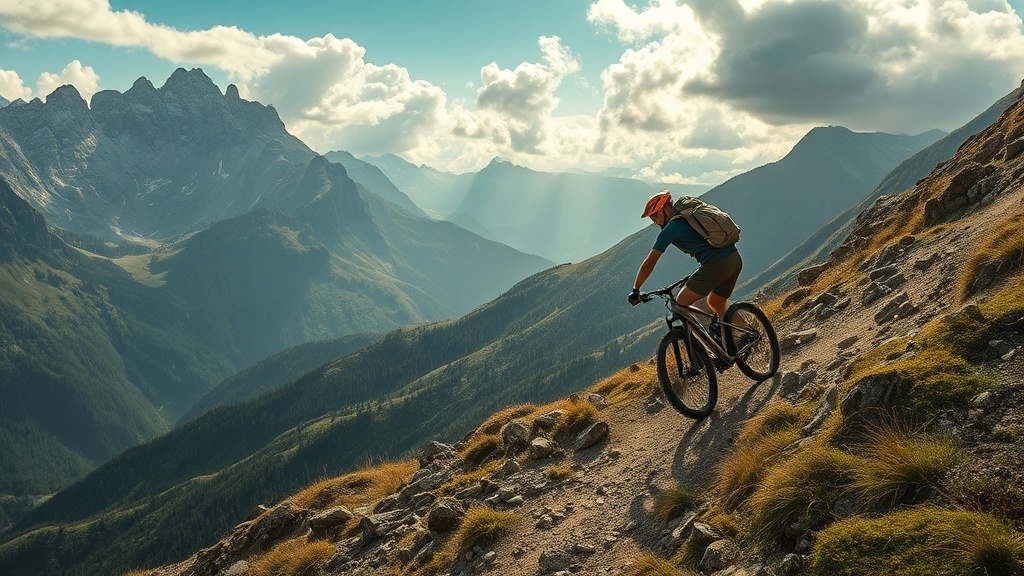
The steep, technical descent toward Cortina d'Ampezzo feels endless.
You're leaning into a berm, the sound of your tires biting into the loose gravel is the only thing you hear, and the sheer drop to your left is enough to make your stomach flip. This isn't a casual Sunday cruise through a park; this is high-stakes gravity riding in the heart of the Italian Alps. For most people, the idea of a mountain biking trip to the Dolomites sounds like a way to burn through a savings account in a single week. They see the luxury hotels in Cortina and assume the price tag is astronomical. But if you approach this with a spreadsheet and a plan—the same way you'd approach a complex engineering project—you can actually make it work without selling a kidney.
I've spent enough time in the mountains to know that the biggest expense isn't usually the gear or the lifts; it's the lack of a logistical framework. You can buy the most expensive carbon fiber bike on the market, but if you haven't budgeted for the lift passes or the specific mechanical support needed for technical terrain, you're going to be stuck at the bottom of the mountain looking up. This post breaks down the actual numbers for a ten-day high-intensity biking expedition in the South Tyrol region.
How much do lift passes and bike rentals actually cost?
This is where most people get blindsided. You aren't just paying for a single ticket; you're looking at seasonal or multi-day passes that grant access to various lift systems. In the Dolomites, you'll often find yourself switching between different lift networks. A single-day pass might run you around $60 to $80, but for a serious rider, a multi-day or weekly pass is the only logical way to go. If you're renting a bike, don't settle for a standard hardtail. You need a full-suspension enduro or downhill bike to handle the rock gardens and steep grades. Expect to pay between $70 and $120 per day for a high-quality rental.
Let's look at a rough breakdown for a mid-tier budget (meaning: good food and decent lodging, but no Michelin stars):
| Expense Category | Estimated Cost (USD) | Notes |
|---|---|---|
| Lift Passes (Weekly) | $350 - $450 | Look for multi-day bundles. |
| Enduro Bike Rental | $500 - $800 | Based on 7 days of heavy use. |
| Lodging (Mid-range B&B) | $1,000 - $1,400 | $100-$140 per night. |
| Food & Fuel | $400 - $600 | Mix of grocery stores and local trattorias. |
| Total (10 Days) | $2,250 - $3,250 | Excluding flights. |
Compare these numbers to the "luxury" version of this trip, where people stay in five-star resorts and rent custom-tuned downhill rigs. You're looking at a $7,000+ price tag easily. By opting for a B&B in a smaller town like San Cassiano or Cortina's outskirts, you save a massive amount of capital without sacrificing the riding quality.
Where can I find the best technical trails for free?
While the lift-accessed trails are the primary draw, the Dolomites offer incredible singletrack that doesn't require a lift pass. However, you'll need a vehicle or a very reliable way to get to the trailheads. Many of the best-kept secrets are tucked away in the lower valleys. If you have the stamina, the climbs can be grueling, but the descents are often more rewarding than the lift-accessed runs because the terrain is more natural and less groomed. Check out the official Dolomites website for maps of the various hiking and biking networks. It's a great way to see the scale of the terrain before you arrive.
A common mistake is thinking that "free" means "easy." The non-lift trails in this region are often more technical and physically demanding. You'll need to be prepared for long-distance endurance riding, not just short, punchy gravity hits. If your fitness level is low, you might find yourself spending more on transport or even missing out on the best sections because you couldn't reach the top. It's a trade-off: more physical work for less money.
What gear is actually necessary for a mountain biking trip?
I see people show up with a generic mountain bike and a basic helmet, and it's honestly a recipe for a bad time. The Dolomites are unforgiving. You need a specific kit to stay safe and enjoy the ride. First, a full-face helmet is a non-negotiable if you're hitting the downhill sections. Second, your tires need to be ready for the sharp limestone rocks. If you're bringing your own wheels, ensure you have the right rim width and tire casing (think DH or heavy-duty Enduro) to avoid constant flats.
Don't forget the small stuff. A high-quality multi-tool, a spare derailleur hanger, and a portable pump are vital. If you break a part in a remote valley, you aren't going to find a shop that stocks specialized components in every village. I always recommend checking the Pinkbike forums or news sites before heading out to see what the current consensus is on gear durability for this specific terrain. It's a good way to stay ahead of the curve.
Also, consider the weather. The weather in the Alps changes in minutes. A sunny morning can turn into a heavy thunderstorm by 2:00 PM. Having a lightweight, packable waterproof shell isn't just a suggestion—it's a survival tool. I've seen riders get stuck in a downpour with no way to dry their gear, which leads to a miserable, cold experience that ruins the rest of the trip.
Lastly, think about your nutrition. Riding in the mountains burns calories at an incredible rate. You can't just rely on a single snack. You need a mix of fast-acting carbohydrates for the climbs and more substantial protein-rich meals for recovery in the evenings. If you're on a budget, buy your snacks in bulk at a local supermarket rather than at the mountain-top kiosks. The price markup at the top of a lift is usually 300% or more.
Plan your route, respect the terrain, and don't over-leverage your finances on gear you'll only use once. The goal is to spend your money on the experience, not on the stuff that sits in your garage for the next eleven months. If you do it right, the Dolomites will be the best investment you ever make.