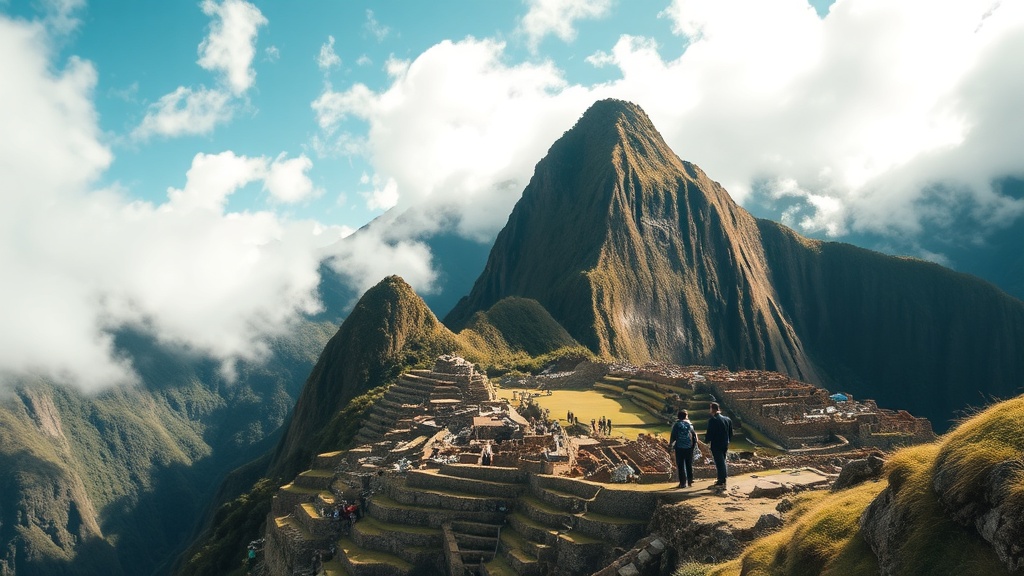
The Real Cost of Trekking the Inca Trail via Low-Impact Routes

The Hidden Costs of High-Altitude Trekking in Peru
Roughly 80% of the trekking permits for the classic Inca Trail are sold out months in advance, often leaving travelers stranded or forced into more expensive, last-minute alternatives. While most people focus on the price of the permit itself, the actual expense of a high-altitude trek in the Andes involves a complex web of logistics, gear requirements, and local fees. If you're planning a trip to Machu Picchu, you aren't just paying for a walk through history; you're paying for a highly regulated ecosystem that requires specific management to keep the trails from eroding under the weight of thousands of boots.
When I was calculating the overhead for expeditions in the Cusco region, I realized that the biggest mistake travelers make isn't the lack of budget—it's the lack of logistical foresight. You can find a "budget" trek for $400, but once you add the mandatory porter fees, the specialized gear rentals, and the transport from Cusco to the trailhead, that price tag balloons. Most people don't realize that the Peruvian government and local communities rely heavily on these regulated paths to maintain the very landscapes we go to see. This is where Earth Day principles actually matter in travel: choosing operators that prioritize the integrity of the trail over pure profit.
How much does an Inca Trail trek actually cost?
If you want to do this right—meaning with a reputable company that pays fair wages and follows strict Leave No Trace protocols—expect to spend between $650 and $900 per person. This isn't a suggestion; it's a reality of the current economic landscape in the Sacred Valley. Breaking down a standard mid-range itinerary looks something like this:
- Permit and Guide Fees: $300 - $450 (This covers the government-mandated entry and the professional guide).
- Logistics and Transport: $100 - $150 (Includes the train from Ollantaytambo or the bus from Cusco).
- Porter and Support Staff: $150 - $200 (Crucial for ensuring the trail isn't over-burdened and that staff are paid a living wage).
- Food and Camp Supplies: $100 - $200 (High-calorie meals and specialized camping gear).
Don't fall for the "too good to be true" prices you see on social media. If a package is significantly cheaper than the average, they are likely cutting corners on staff wages or, worse, ignoring waste management protocols. A low-impact trek means your money supports the people who live there and the conservation efforts that keep the Inca ruins from being destroyed by foot traffic.
What gear do I need for high-altitude trekking?
Altitude is a physiological hurdle, not just a physical one. You can have the best boots in the world, but they won't help your lungs adapt to 13,000 feet. Your gear kit should be a balance of lightweight functionality and durability. Since we're talking about a high-impact environment, I recommend investing in gear that lasts years rather than buying cheap, disposable items that end up in landfills.
A solid gear list for the Andes includes:
- Footwear: Mid-to-high cut waterproof boots (broken in well before you arrive).
- Layering System: A moisture-wicking base layer, a fleece mid-layer, and a down jacket for the freezing nights.
- Hydration: A filtration system like a Sawyer Squeeze to reduce plastic waste instead of buying single-use bottles.
- Sun Protection: A wide-brimmed hat and high-SPF sunscreen (the UV rays at altitude are brutal).
One thing I learned while trekking through various mountain ranges is that the most expensive gear isn't always the best. A high-quality, used set of trekking poles from a secondhand shop is often more valuable than a brand-new, cheap pair that snaps under pressure. Focus on the pieces that touch your skin and the pieces that keep you dry.
Can I trek without a permit?
Technically, yes, through various alternative routes like the Salkantay Trek. However, the Salkantay is much more rugged and requires a different level of physical preparation. While the classic Inca Trail is strictly regulated to protect the archaeological integrity of the site, the Salkantay offers a more "wild" feel. However, the trade-off is that you're often moving through more sensitive ecological zones where your impact as a traveler is even more visible. If you choose an alternative, ensure your operator follows Leave No Trace principles to protect the local flora and fauna.
The goal isn't just to reach the Sun Gate at dawn. The goal is to ensure that the person trekking ten years from now has the same experience we do. This means choosing paths that are managed, using local guides who understand the local ecology, and being incredibly mindful of how much waste we carry in and carry out. A sustainable adventure is one where the local community actually benefits from your presence rather than being taxed by the footprint of your travel.
When you're planning your budget, don't just look at the flight and the hotel. Look at the impact. If you're spending $800 on a trek, ensure that a significant portion of that is staying in the local economy. This is the difference between a consumer and an adventurer. A consumer buys a view; an adventurer participates in the preservation of the place that gave them the view. Keep your footprint small, your gear high-quality, and your respect for the altitude high.