Ultimate Guide to Planning Your Next Adventure Travel Experience

Introduction
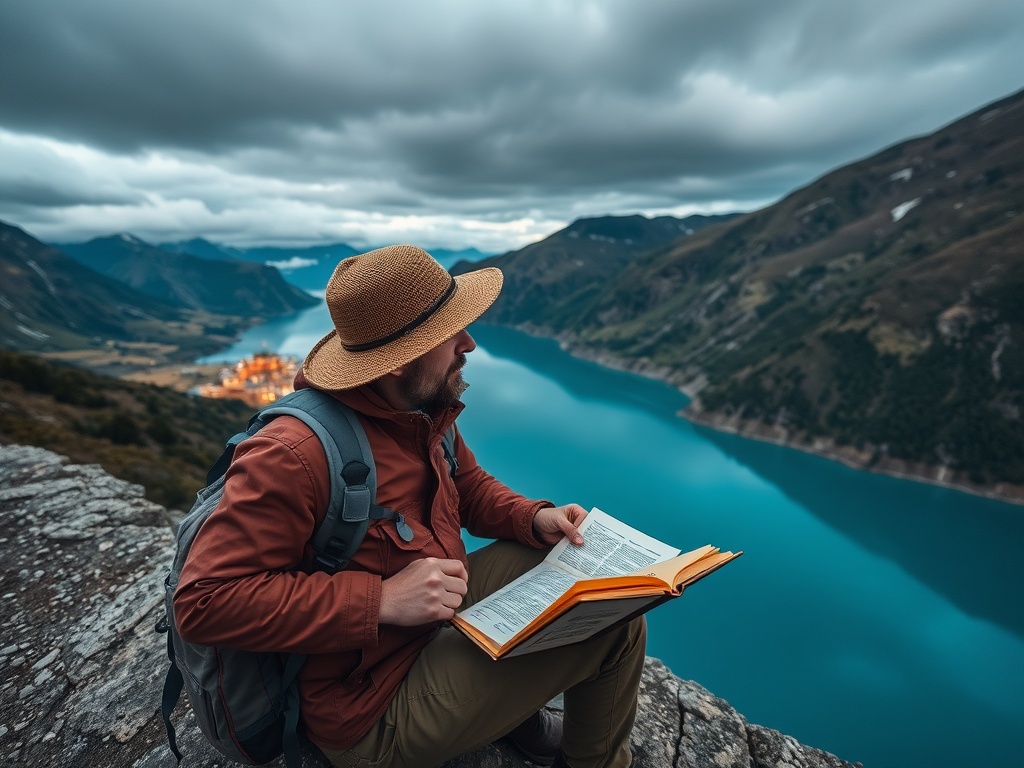
Adventure travel offers a unique way to explore the world, combining thrill, culture, and nature. Planning a successful adventure requires thoughtful preparation, from choosing the right destination to packing efficiently. This guide provides comprehensive advice for adventurers of all experience levels to make the most of their journeys.
Step 1: Choosing the Perfect Destination
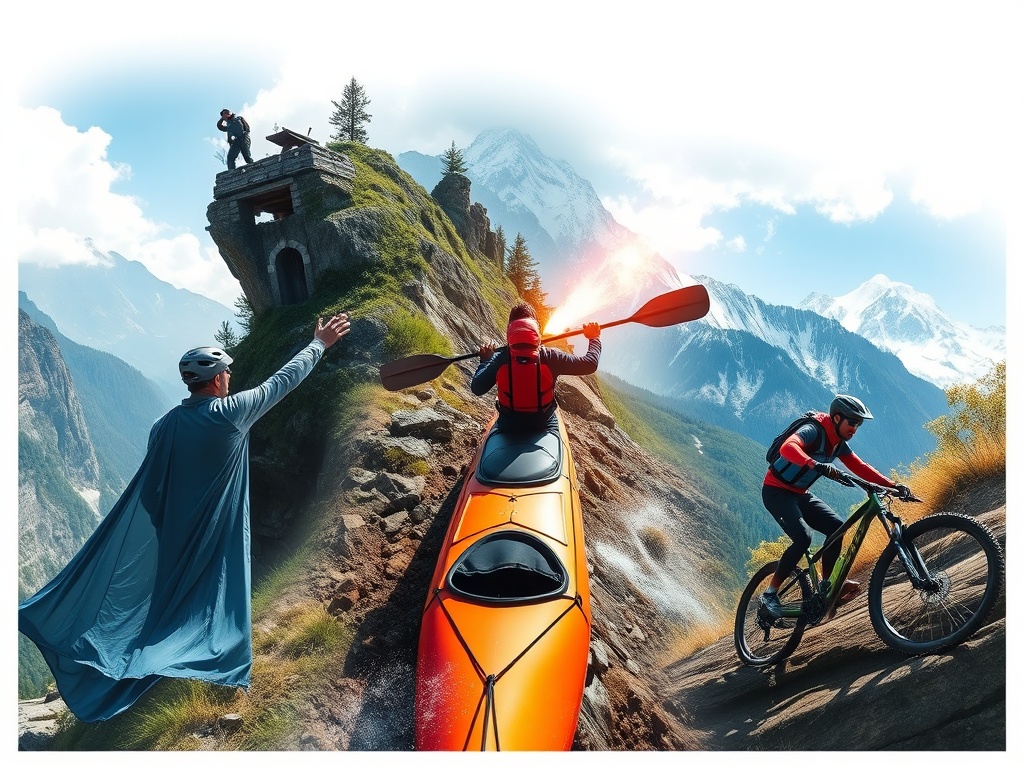
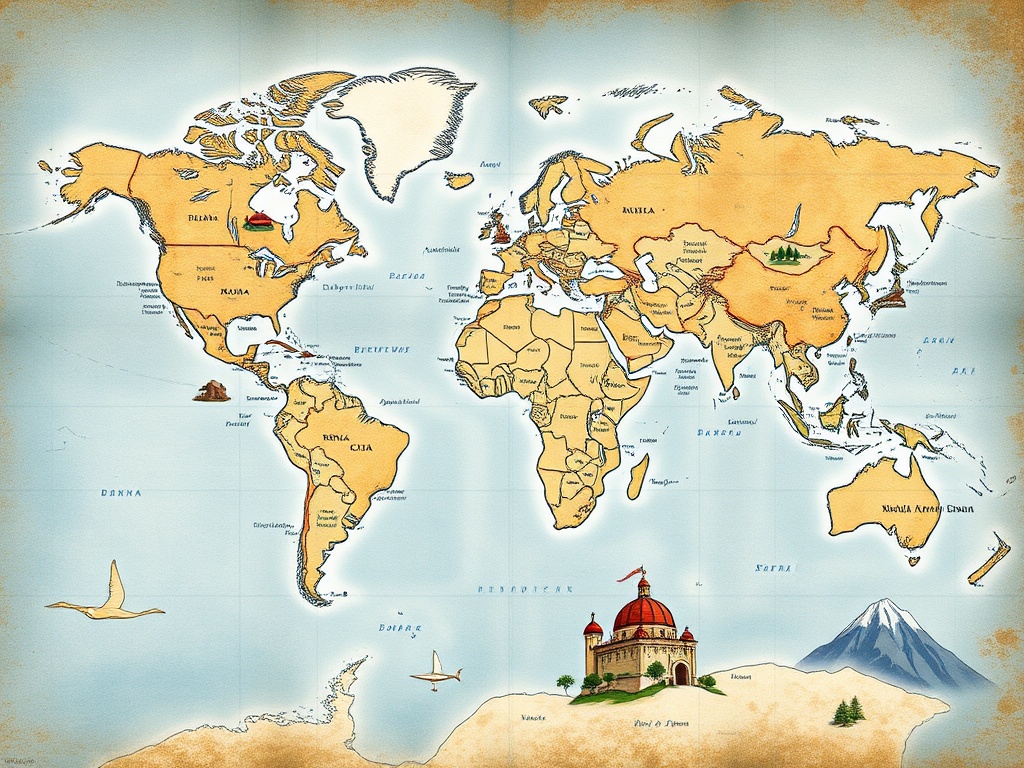
Selecting a destination depends on your adventure goals, budget, and the season. Popular adventure destinations include Patagonia for hiking, New Zealand for extreme sports, and Costa Rica for rainforest exploration. Consider the local climate, accessibility, safety, and activities available. Research travel advisories and local customs to ensure a safe and respectful visit.
Step 2: Setting Your Adventure Budget
Budgeting is essential to avoid unexpected costs. Account for flights, accommodation, meals, activities, permits, and gear. Allocate an emergency fund for unforeseen events. Utilize travel passes, group discounts, and off-season rates to maximize your budget. Tracking expenses using apps can help maintain financial control throughout your trip.
Step 3: Planning the Itinerary
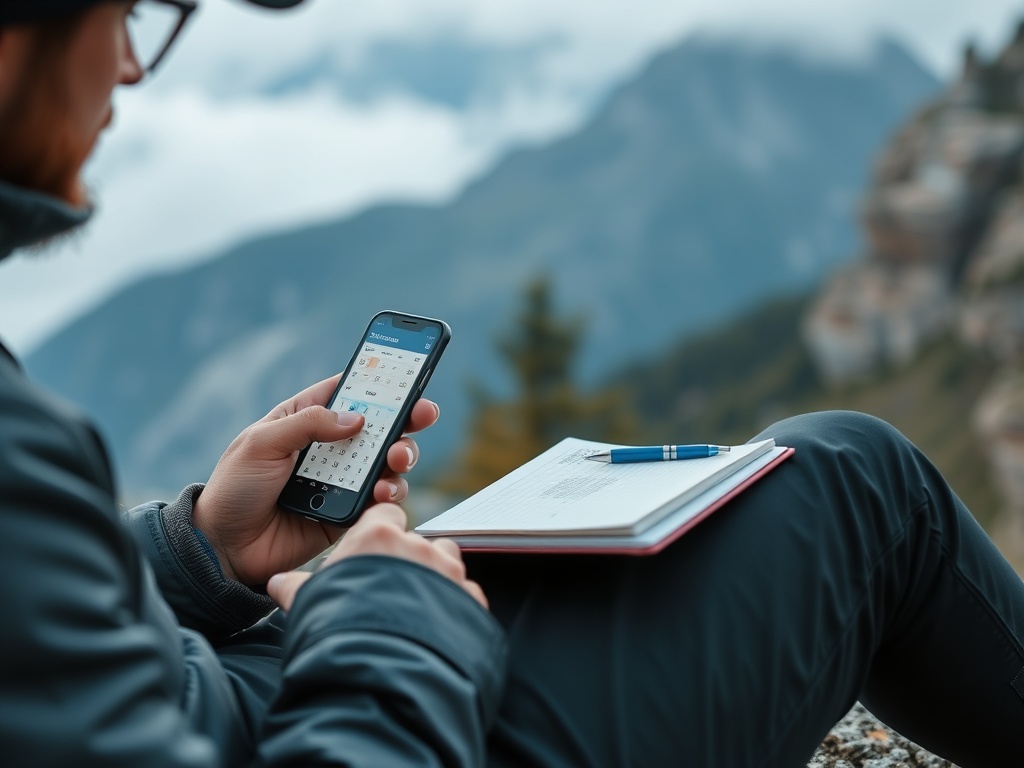
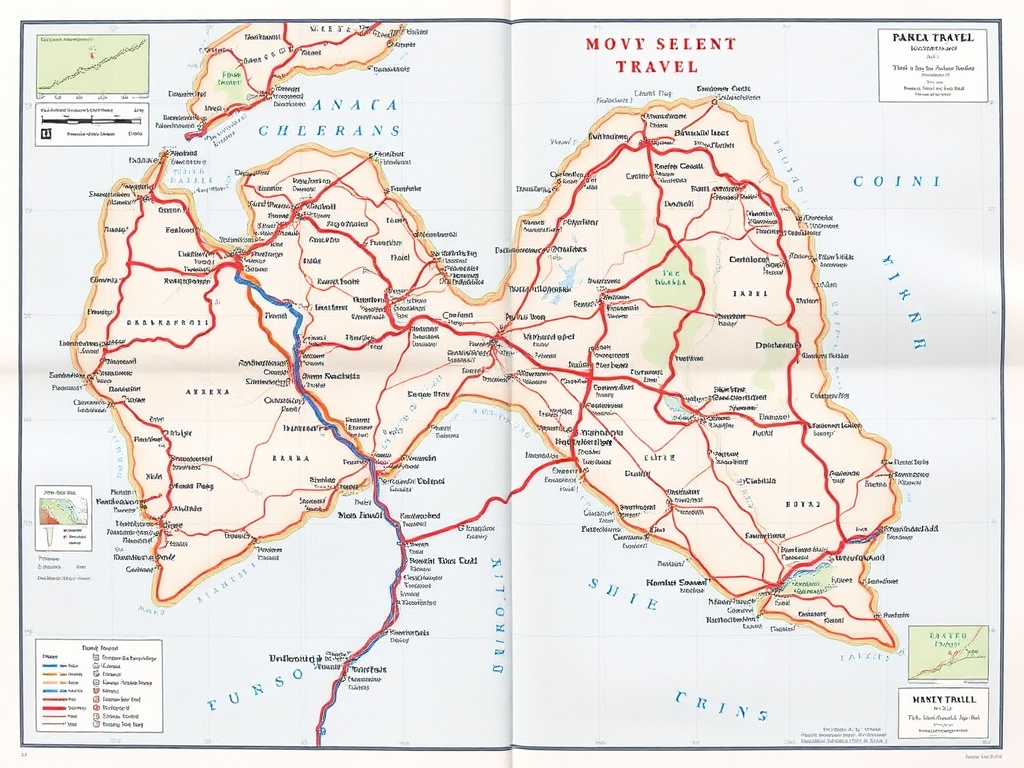
Create a flexible itinerary balancing activities and rest. Include major attractions, outdoor excursions, and local experiences. Reserve accommodations and guided tours in advance to avoid last-minute stress. Factor in travel time and recovery days after strenuous activities. Always have a backup plan in case of weather or unexpected closures.
Step 4: Packing Smartly
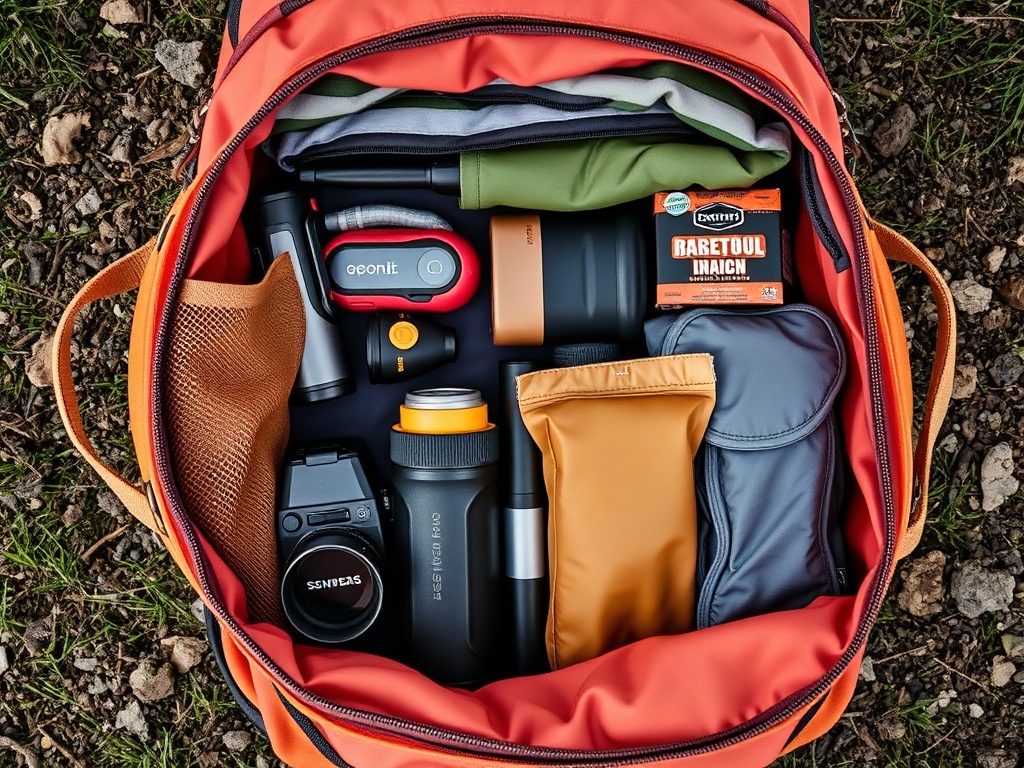
Packing efficiently can enhance comfort and mobility. Choose lightweight, quick-drying clothing suitable for the climate. Invest in durable footwear for hiking or trekking. Include first-aid kits, water purification tools, and versatile gear. Use packing cubes and waterproof bags to organize and protect belongings. Always keep essential documents and valuables in a secure, accessible location.
Step 5: Preparing Physically and Mentally
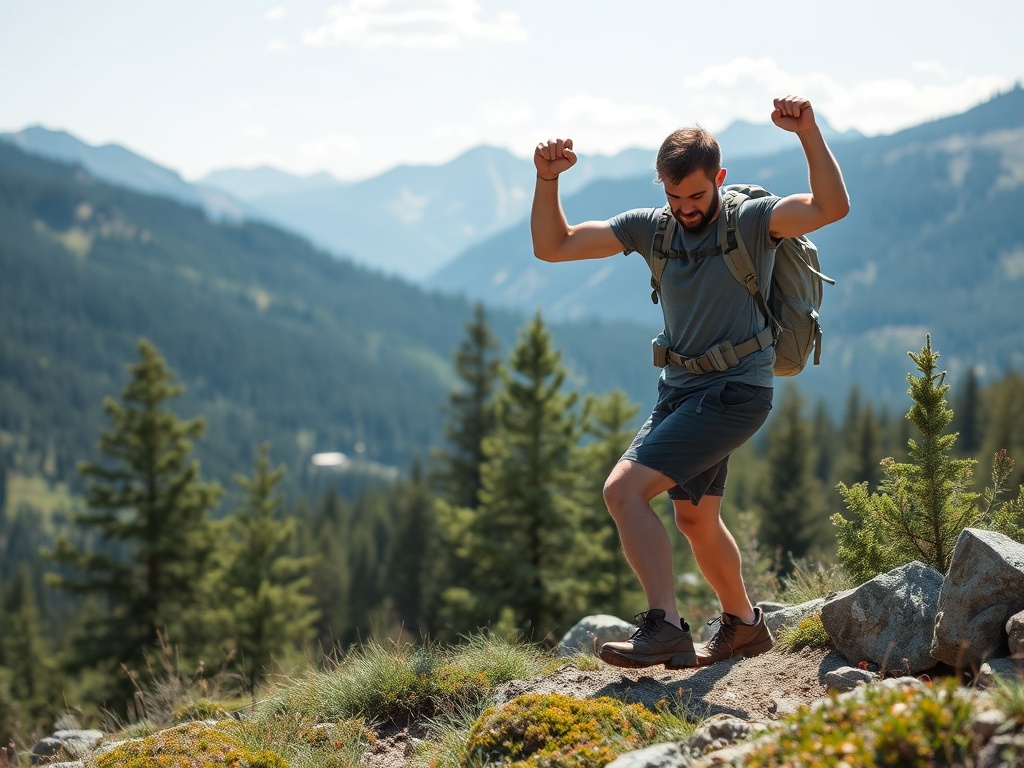
Adventure travel can be physically demanding. Prepare by maintaining a fitness routine focusing on strength, stamina, and flexibility. Mentally, cultivate patience and resilience to handle unexpected challenges. Learn basic survival skills and navigation techniques. Staying informed about local wildlife and terrain can reduce risks and increase confidence on your adventure.
Step 6: Health and Safety Precautions
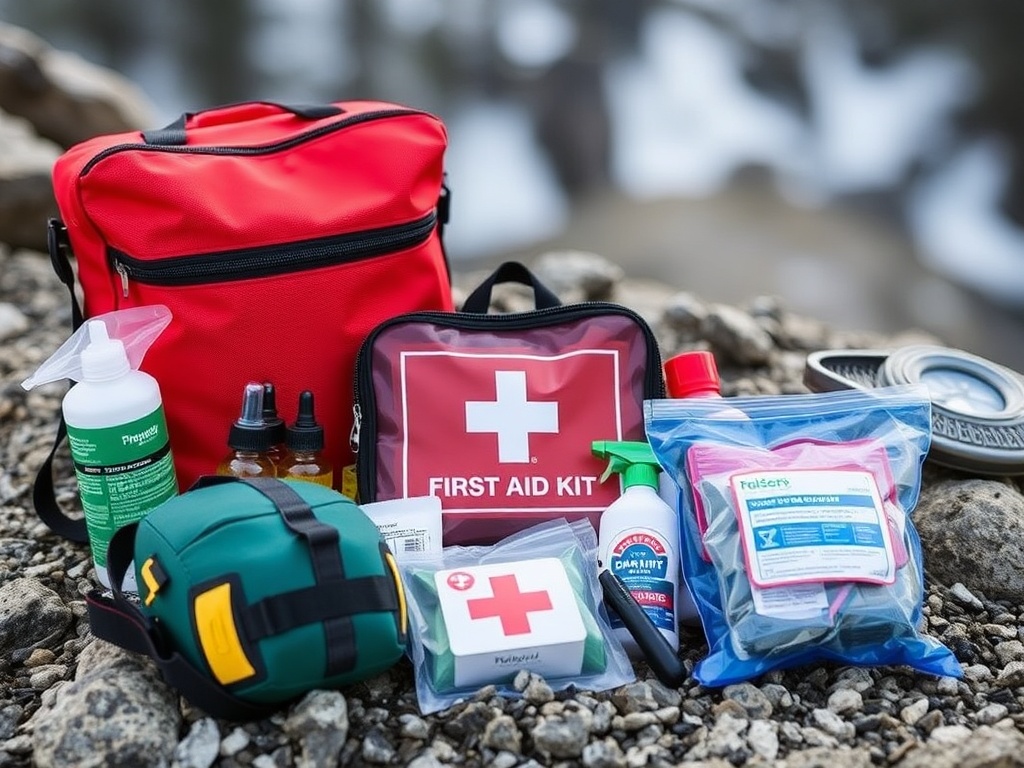
Prioritize health and safety. Get required vaccinations, carry travel insurance, and understand local emergency services. Practice safe food and water consumption, and follow wildlife safety guidelines. Equip yourself with communication tools like GPS devices or satellite phones in remote areas. Knowing local laws and regulations helps prevent legal complications during your trip.
Step 7: Embracing Local Culture
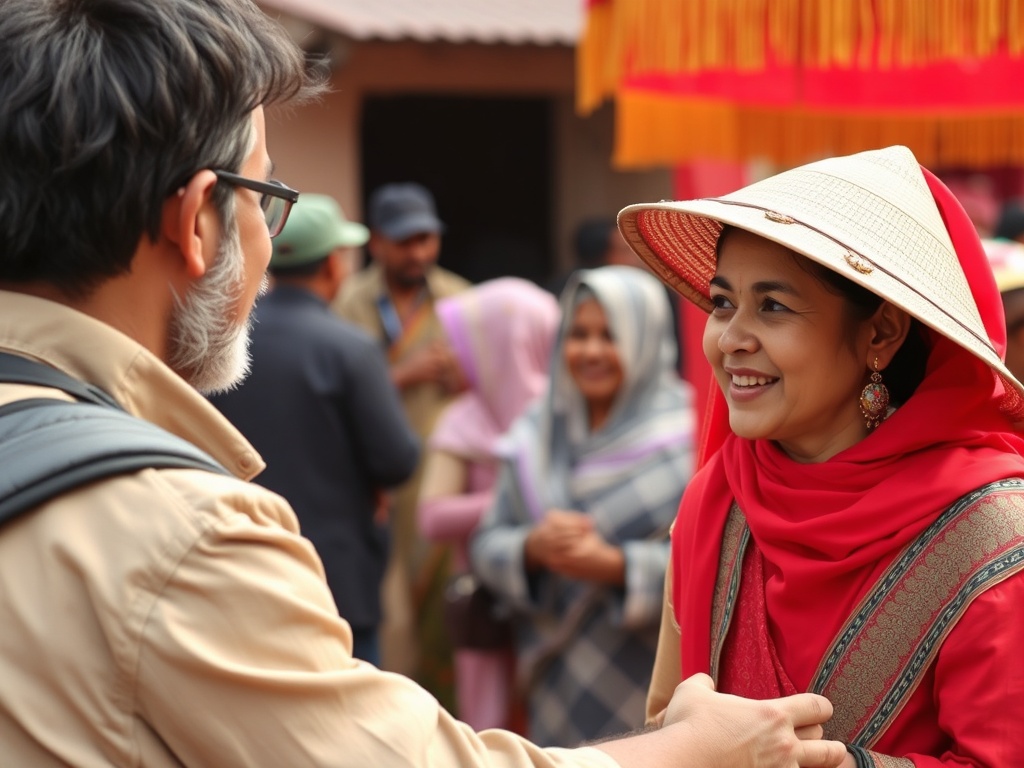
Immersing yourself in local culture enriches your adventure. Respect traditions, dress codes, and etiquette. Learn basic phrases in the local language and engage with communities through guided experiences or volunteer activities. Tasting local cuisine and attending festivals enhances cultural understanding. Always leave a positive impact on the communities you visit.
Step 8: Capturing Memories
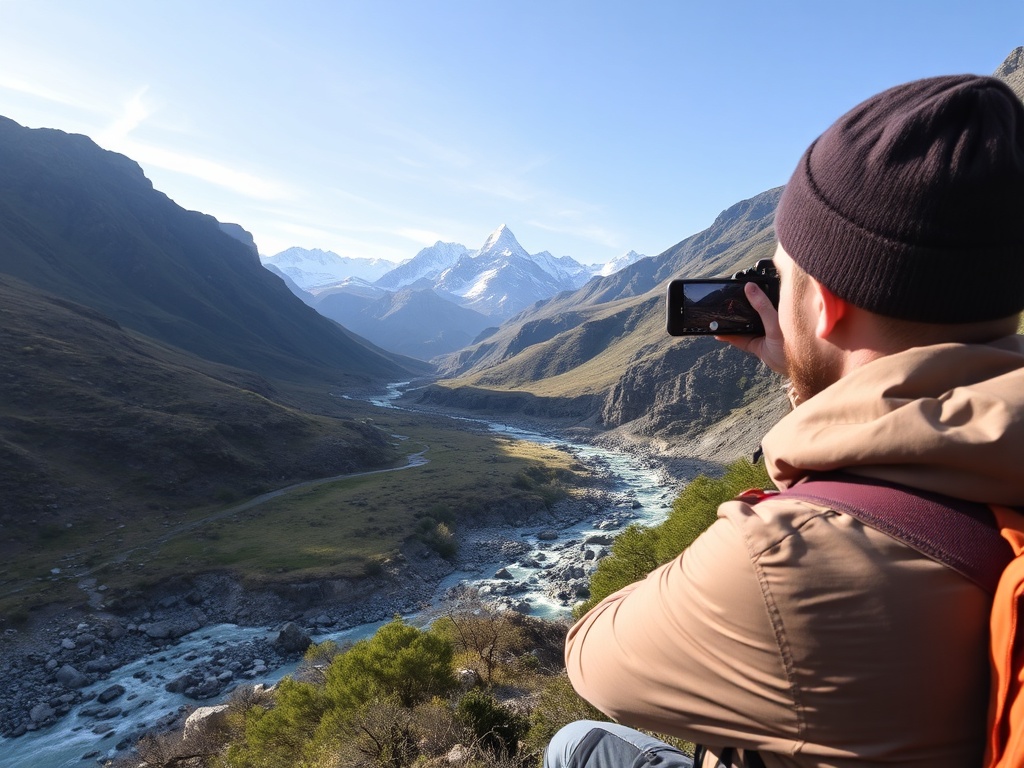
Document your adventure through photography, journaling, or video. Use durable and weatherproof equipment to avoid damage. Share experiences with friends or social media responsibly, respecting privacy and local rules. Creating a travel diary or digital album preserves memories and helps plan future adventures.
Step 9: Sustainable Adventure Practices
Travel responsibly to protect the environment. Minimize waste, use eco-friendly products, and follow Leave No Trace principles. Support local businesses and sustainable tourism initiatives. Educate yourself about conservation efforts and participate in volunteer programs when possible. Sustainable practices ensure future generations can enjoy similar adventures.
Step 10: Post-Adventure Reflection
After returning, reflect on your journey. Assess what worked well, challenges faced, and lessons learned. Share insights with fellow travelers or online communities. Review gear performance and make improvements for future trips. Reflection enhances personal growth and improves planning for subsequent adventures.