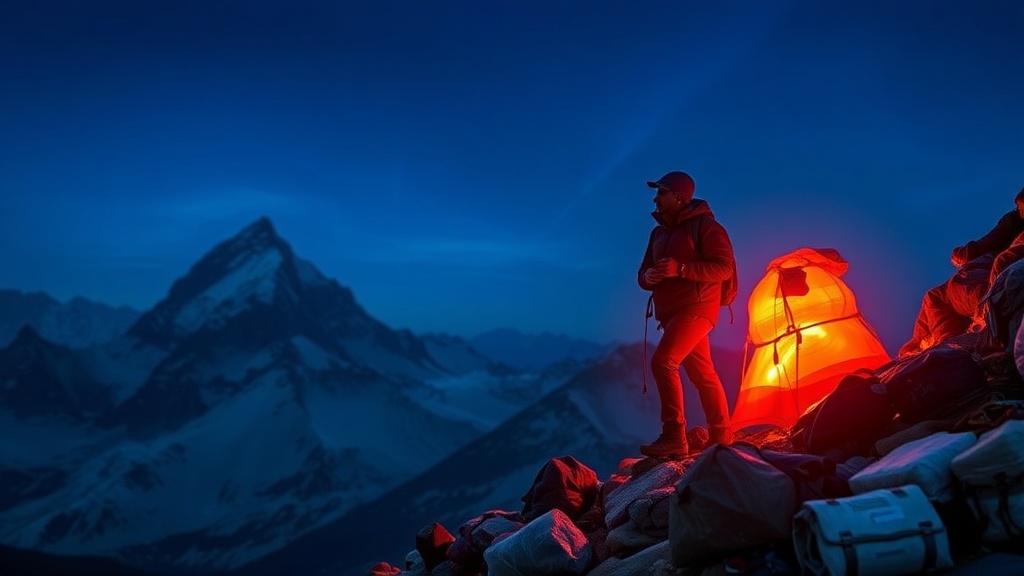
What to Pack for a High-Altitude Trek in Nepal

You are standing at 4,500 meters in the Khumbu Valley. The sun has just dipped behind the peaks of Ama Dablam, and the temperature has dropped from a pleasant 15°C to -10°C in less than an hour. You realize your mid-layer isn't insulating enough, and your sleeping bag feels thin against the freezing air of the teahouse. This isn't a failure of willpower; it is a failure of gear optimization. High-altitude trekking in Nepal requires a technical approach to packing where every gram of weight is balanced against its thermal utility. This guide breaks down the exact gear requirements for trekking in the Everest or Annapurna regions, focusing on weight-to-warmth ratios and reliability.
The Layering System: Base, Mid, and Shell
In the Himalayas, you do not dress for the temperature; you dress for the activity. You will be sweating while climbing steep stone stairs and shivering while sitting still for tea. The goal is a modular system that allows for rapid adjustments.
Base Layers (Moisture Management)
Avoid cotton at all costs. Cotton absorbs sweat, stays heavy, and pulls heat away from your body, which can lead to hypotheraly. You need synthetic or Merino wool. I recommend Smartwool or Icebreaker Merino wool shirts for both tops and bottoms. Merino is superior because it remains odor-resistant even after several days of heavy use, which is critical when you are living in teahouses with limited laundry options.
- Merino Wool Base Tops: 150-200 gsm weight for daily trekking.
- Thermal Bottoms: Mid-weight weight for sleeping and extremely cold mornings.
- Liner Socks: Thin synthetic socks to prevent blisters by reducing friction.
Mid-Layers (Insulation)
The mid-layer is your primary defense against the drop in temperature. You need two distinct types of insulation: a breathable fleece and a high-loft down jacket. A Patagonia R1 or similar technical fleece is ideal for active movement because it manages moisture while providing warmth. For stationary periods or when the sun goes down, a heavy-duty down jacket is non-negotiable. Look for a jacket with at least 700-fill power down, such as the REI Co-op Stormhenge or a Mammut down parka. This jacket stays in your pack during the day and becomes your most important piece of equipment once you reach your destination for the evening.
Outer Shells (Weather Protection)
The weather in the Nepal highlands is unpredictable. You may encounter heavy rain in the lower valleys and high-velocity winds at higher passes like Thorong La. Your shell must be windproof and waterproof. A Gore-Tex or Event fabric shell is the industry standard for a reason. It allows sweat vapor to escape while preventing wind chill from stripping your body heat. Ensure your shell has pit zips—these are essential for venting heat during high-exertion climbs.
Footwear and Traction
Your feet are your engine. If your feet fail, the trek ends. Most trekkers make the mistake of buying shoes that are too tight, forgetting that feet swell during long days of walking and in high altitudes.
Hiking Boots: You need a mid-to-high cut boot with a stiff sole for stability on uneven terrain. Brands like Lowa or Salomon offer boots that provide excellent ankle support. Ensure they are broken in at least two months before your flight to Kathmandu; a new pair of boots on the trail is a recipe for debilitating blisters.
Trekking Poles: Do not overlook these. On the descent from high passes, your knees take a massive amount of impact. A pair of lightweight, collapsible poles (like those from Black Diamond) will redistribute that weight and help you maintain balance on loose scree or muddy paths.
The Sleep System
While teahouses provide a bed, the mattresses are often thin foam pads that do not provide much insulation from the cold floor. You cannot rely on the teahouse blankets alone.
Sleeping Bags
A sleeping bag rated for -15°C or -20°C is the minimum requirement for high-altitude trekking. Even if the teahouse is "warm," the ambient air in the room will be freezing. A down sleeping bag is more compressible and offers a better warmth-to-weight ratio than synthetic alternatives. Western Mountaineering or The North Face are reliable brands for these extreme temperature ratings.
Sleeping Liners
A silk or fleece sleeping bag liner adds an extra layer of warmth and provides a hygienic barrier between you and the bedding provided by the teahouse. It is a small addition that significantly increases comfort.
Technical Gear and Electronics
Efficiency in the mountains is often a matter of power management and organization. As altitude increases, battery life decreases due to the cold.
- Headlamp: A high-lumen headlamp (at least 300 lumens) is essential for early morning starts and navigating dark teahouse common areas. Bring extra batteries or a high-capacity power bank.
- Power Banks: While many teahouses now offer charging stations, they often charge a premium fee per device. A 20,000 mAh power bank (like an Anker) will keep your phone, camera, and GPS unit running through several days of trekking.
- Water Purification: Do not rely on bottled water, as it creates unnecessary plastic waste in the fragile Himalayan ecosystem. Use a Sawyer Squeeze filter or Katadyn purification tablets to treat water from local sources.
- Dry Bags: Use lightweight dry bags to organize your pack. This keeps your electronics and dry clothes safe from the inevitable dust and moisture of the trail.
Health and Hygiene Essentials
High altitude places immense stress on the body. You must be proactive about your health to avoid altitude sickness or infection.
Sun Protection: The UV rays at 5,000 meters are significantly more intense than at sea level. You need a high-SPF sunscreen (at least SPF 50), polarized sunglasses to prevent snow blindness, and a wide-brimmed hat.
First Aid: Your kit should include more than just Band-Aids. Include blister treatments (like Compeed), electrolyte replacement salts, and basic pain relief. If you are traveling with a guide, discuss the use of Diamox (Acetazolamide) for altitude acclimation beforehand, as this is a medical decision that should be made with a professional.
Personal Hygiene: Wet wipes and hand sanitizer are your best friends. Full showers are rare in the higher reaches of the Everest or Annapurna regions. A lightweight, quick-dry microfiber towel can also be useful for basic hygiene in teahouses that provide limited water.
Weight Optimization Strategy
The most common mistake I see is overpacking. Every extra kilogram you carry increases your heart rate and your risk of exhaustion. If you are using a porter, you can afford a slightly heavier pack, but you should still aim for efficiency. If an item doesn't serve a specific, critical function for warmth, protection, or nutrition, leave it at home.
Before you depart, lay everything out on your floor. Weigh your items. If you have three different shirts that all serve the same purpose, pick the best one and leave the others. A well-organized, lightweight pack is the difference between a grueling struggle and an incredible experience. High-altitude trekking is an exercise in precision; your gear should be no different.