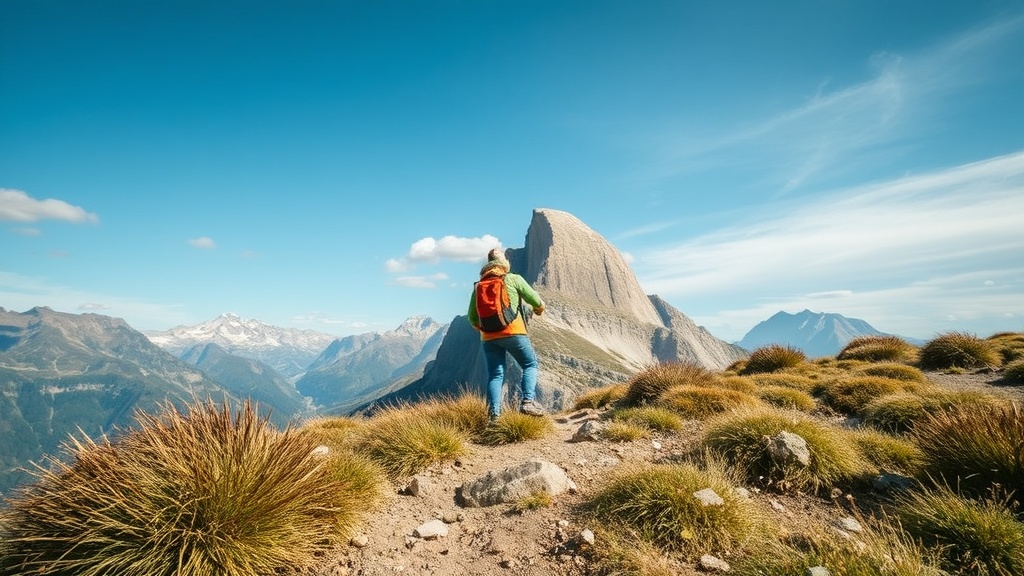
Why Smart Adventurers Skip Peak Season (And Save Thousands Doing It)
Is Peak Season Actually the Worst Time to Travel?
We've all heard the conventional wisdom—summer in the Alps, dry season in Southeast Asia, June through August for the Rockies. Travel magazines hammer these windows into our heads like they're gospel. But here's what nobody tells you: peak season is often the worst time for the kind of immersive, uncrowded adventure you're actually chasing.
I learned this the hard way on my first Kilimanjaro trek. I booked during "optimal" July conditions, paid premium rates for everything, and spent more time avoiding selfie sticks than connecting with the mountain. The trail felt like a queue at Disneyland. The huts were packed. The guides were stretched thin across too many clients. I summited, sure—but the experience wasn't what I'd imagined.
Three years later, I returned in late October. Shoulder season. The weather was nearly identical—maybe a bit more afternoon cloud cover—but the difference in experience was staggering. Our group of eight had the trail practically to ourselves. The guides had bandwidth to share stories about local Chagga culture. I paid 40% less for the same route. That trip changed how I plan every adventure.
What Is Shoulder Season, Really?
Shoulder season sits in those liminal spaces—the weeks before and after peak tourist windows when conditions remain viable but crowds thin dramatically. It's not the off-season (when some trails close or weather becomes genuinely dangerous). It's the Goldilocks zone.
For trekking destinations like Nepal, that means late September through early October or late March through April—after the monsoon clears but before the post-monsoon rush, or after winter breaks but before summer heat builds. For diving in Raja Ampat, it's the transition weeks between tradewind seasons. For Patagonia, it's late November or early March when the winds still howl but the hoards haven't arrived—or have already left.
The key is understanding that "peak" conditions rarely mean "peak" experience. A 10% increase in summit success rates (mostly driven by tour companies cherry-picking easy weather windows) isn't worth 200% price inflation and the erosion of wilderness solitude. You're optimizing for the wrong metric.
How Much Money Can You Actually Save?
Let's talk numbers—because this is where the engineer in me gets excited. On a recent 12-day trek to Everest Base Camp during shoulder season (late March), here's how my costs broke down compared to peak October pricing:
- International flights: $892 round-trip vs. $1,340 (33% savings)
- Lukla flights: $165 vs. $217 (24% savings)
- Teahouse accommodation: $4-6/night vs. $8-15/night (50%+ savings)
- Guide rates: $25/day vs. $35/day (29% savings)
- Porter services: $18/day vs. $25/day (28% savings)
Total trip cost: $1,847 versus approximately $2,900 during peak season. That's over $1,000 saved on the exact same route, same difficulty, same experience. That difference covers my gear upgrades, training costs, and a buffer for the next trip.
But the savings aren't just financial. I had my pick of teahouse rooms instead of sleeping in dining halls when lodges filled. I could book guides with specific expertise (high-altitude photography) rather than taking whoever had availability. The trail wasn't a conga line—I could actually hike at my own pace, stop when I wanted, hear birds instead of chatter.
Where Can You Find the Best Shoulder Season Deals?
The pattern repeats across adventure destinations. In Peru's Cordillera Blanca, April (just after rainy season) delivers blooming wildflowers and empty trails. In Iceland, late September offers Northern Lights potential plus manageable weather—at 40% off summer rates. Tanzania's "short rains" in November mean afternoon showers that clear by evening, but safari lodges drop prices 30-50%.
The trick is researching why certain windows are designated "peak." Often it's arbitrary—tour operators consolidating demand, or historical precedent from when infrastructure was less developed. Modern gear, better forecasting, and improved trail maintenance have extended viable windows significantly.
I've compiled shoulder season sweet spots based on recent trips and client reports:
| Destination | Peak Season | Shoulder Sweet Spot | What You Gain |
|---|---|---|---|
| Nepal (EBC/Annapurna) | Oct-Nov, Mar-Apr | Late Mar, Late Sep | Empty trails, blooming rhododendrons |
| Kilimanjaro | Jun-Oct | Early Jun, Late Oct | Quiet camps, lower prices |
| Patagonia (W Trek) | Dec-Feb | Late Nov, Early Mar | Wind is still fierce but crowds thin |
| Iceland (Laugavegur) | Jul-Aug | Late Jun, Early Sep | Autumn colors, aurora potential |
| Peru (Inca Trail) | May-Sep | Apr, Oct | Green landscapes, fewer tourists |
Sources like National Geographic's Patagonia timing guide and the Nepal Hiking Team's seasonal breakdown corroborate these windows. The data exists—you just need to look past the "when to go" headlines.
What Are the Real Risks of Shoulder Season Travel?
I'm not going to sugarcoat this. Shoulder season involves trade-offs. Weather becomes less predictable. Some high passes might close early or open late depending on snowpack. Services (restaurants, gear shops) operate reduced hours. You need contingency plans.
On that October Kilimanjaro trip, we got rained on during day two—unusual for "dry" season, but not unheard book during transition periods. The trail turned muddy. But here's the thing: we packed for it. Quality rain gear, gaiters, an extra day built into the itinerary. The "risk" was manageable with preparation.
The bigger risk, in my opinion, is traveling during peak season with inadequate preparation—assuming perfect conditions will compensate for poor fitness or bad gear. It won't. A crowded trail with marginal weather is infinitely worse than an empty trail with challenging conditions.
I've had clients express anxiety about booking shoulder season trips. What if it rains the whole time? What if the trek gets cancelled? These are valid concerns, but they're manageable through:
- Building 1-2 buffer days into your itinerary
- Purchasing comprehensive trip insurance that covers weather cancellations (World Nomads and SafetyWing both offer adventure-specific policies)
- Working with local operators who have flexibility to adjust routes based on conditions
- Packing appropriately for variable weather rather than optimal conditions
How Do You Actually Book Shoulder Season Adventures?
The booking process differs from peak season. You can't just pick dates and expect availability to align with your vacation window. Instead, identify your target window and monitor conditions—snow levels, rainfall patterns, historical weather data. Then book 4-6 weeks out rather than 6 months ahead.
This requires flexibility that not everyone has. If your PTO is locked in January for a July trip, shoulder season might not work. But if you can swing it—if you have some wiggle room or can work remotely for a few days—the payoff is substantial.
Start by identifying your non-negotiables. For some trips, weather stability matters more than crowds (technical alpine climbing, for instance). For others—cultural treks, wildlife viewing, photography-focused trips—shoulder season conditions might actually be superior. Green season in Costa Rica means lush forests and active wildlife, even if you get afternoon showers.
Contact operators directly and ask about shoulder season availability. Many have unpublished rates or can customize itineraries that aren't in their standard catalogs. Local operators especially—companies like Summit Kilimanjaro or Nepal-based Porter Protected affiliated guides—often have better insights into actual trail conditions versus published "seasons."
The bottom line: stop letting travel magazines dictate when you can have meaningful adventures. The mountains don't close. The coral doesn't disappear. The Northern Lights don't check calendars. What changes is the price you pay and the number of people standing between you and the experience you flew halfway around the world to find.