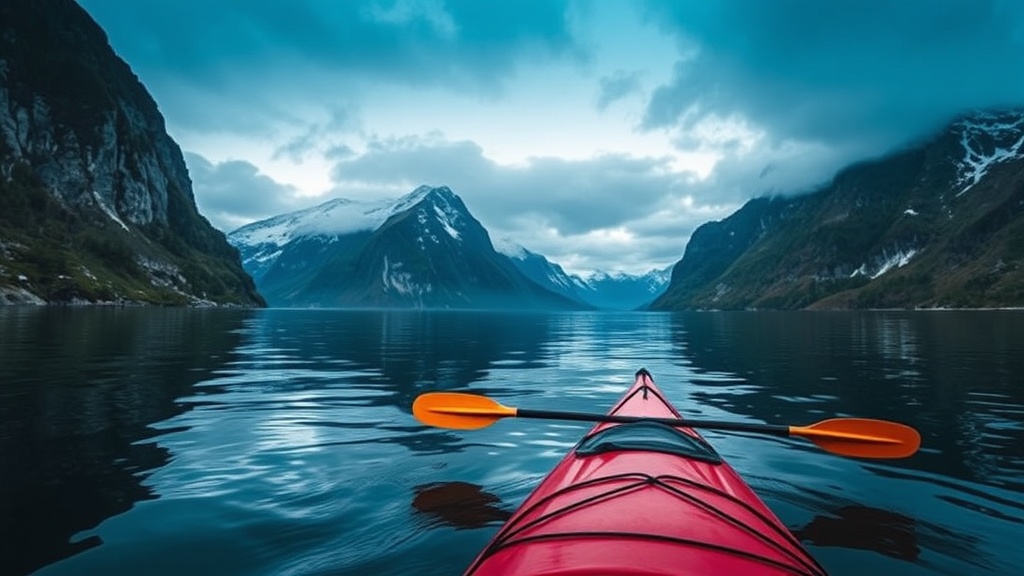
Why You Should Try Kayaking Through the Fjords of Norway

Is a kayaking expedition in Norway actually worth the high logistical cost?
If you are looking for a way to experience the Norwegian fjords without being trapped on a crowded cruise ship, sea kayaking is the most effective method. This guide breaks down the logistics, the gear requirements, the specific regions you should target, and the actual budget you need to allocate for a high-quality kayaking trip in Norway. Whether you are an experienced paddler or a beginner looking for a guided excursion, understanding the environmental variables—specifically water temperature and weather windows—is critical for safety and enjoyment.
The Best Regions for Fjord Kayaking
Norway’s coastline is massive, but not all fjords offer the same level of accessibility or technical difficulty. Depending on your skill level and how much time you have, you should focus on one of these three primary areas.
Nærøyfjord: The Technical Choice
Nærøyfjord is a UNESCO World Heritage site and is arguably the most dramatic narrow fjord in the world. Because it is so narrow, the scale of the mountains feels much more immediate than in larger fjords. This is a high-traffic area for small vessels, so you need to be aware of wake management. It is an excellent place for a guided multi-day expedition starting from Gudvangen. The water is deep, but the proximity to the steep walls means wind can whip through the canyon unexpectedly.
Geirangerfjord: The Iconic Experience
Geirangerfjord is the most famous, which also means it is the most crowded. If you are kayaking here, you are likely to encounter large cruise ships or high-speed ferries. I recommend scheduling your trip for the shoulder seasons (late May or early September) to avoid the heaviest maritime traffic. The scenery, including the Seven Sisters waterfall, is unparalleled, but the logistical challenge is managing the swell created by larger vessels.
Lofoten Islands: The Advanced Option
If you want more open water and a different topographical feel, head north to the Lofoten Islands. Instead of deep, enclosed fjords, you will deal with more exposed coastal paddling and granite peaks rising directly from the Norwegian Sea. The water here is significantly colder, and the weather patterns are much more volatile than in the southern fjords. This is a better fit for those who have some experience with ocean paddling and wind management.
Essential Gear and Technical Requirements
In Norway, your gear is not just about comfort; it is about survival. The water temperature in the fjords rarely rises above 10-12°C (50-54°F), even in the height of summer. A capsize without proper protection can lead to hypothermia in minutes.
- Drysuits over Wetsuits: While a 3mm or 5mm wetsuit is standard for tropical or temperate waters, a full Gore-Tex drysuit is the gold standard for Norwegian kayaking. It provides a complete barrier against the cold and keeps you dry during a roll or capsize.
- PFD (Personal Flotation Device): Ensure your PFD is high-buoyancy and designed for cold water. You want something that fits snugly even when you are wearing a thick drysuit underneath.
- Paddle Leash and Spare: In the unpredictable winds of the fjords, losing a paddle can be a catastrophic event. Always carry a spare paddle secured to the deck.
- Navigation Tools: While GPS is standard, the deep fjords can occasionally interfere with satellite signals under heavy cloud cover. Always carry a physical map of the area and a compass.
If you are planning a longer expedition that involves camping along the coast, you should also consider the weight and durability of your kit. Much like packing for a solo trek in the Andes, your weight distribution in a kayak is vital for stability. Ensure your dry bags are rated for high-volume water submersion.
Weather and Safety Protocols
The most dangerous element in a Norwegian fjord is not the water, but the wind. The "funnel effect" is a real phenomenon where wind speeds accelerate as they are forced through narrow passages. A calm morning can turn into a high-wind afternoon in less than an hour.
Understanding the Wind
Before you launch, check the Yr.no app—it is the most reliable meteorological tool for the Nordic region. Look specifically at wind gusts rather than average wind speeds. If gusts are predicted to exceed 15 knots, you should reconsider a solo paddle in a narrow fjord, as the wind can create choppy, unpredictable surface conditions against the fjord walls.
Managing Cold Water Exposure
Even with a drysuit, you must be prepared for the physiological shock of cold water. If you are a beginner, I strongly recommend booking a guided tour through a local outfit like Fjord Norway or a specialized sea kayaking school. They provide the necessary safety margin, including rescue training and high-quality thermal gear. If you are an experienced paddler, ensure you have practiced your "wet exit" and "self-rescue" in a controlled, cold-water environment before attempting the fjords.
Budgeting for a Norwegian Kayaking Trip
Norway is an expensive country. You cannot "budget-travel" here the way you can in Southeast Asia or even parts of Eastern Europe. You need to plan for high costs in three specific areas: transport, gear, and food.
- Guided Expeditions: A 3-to-5-day guided sea kayaking trip through the Nærøyfjord will typically cost between $600 and $1,200 USD per person. This usually includes high-end gear, meals, and professional guides. This is the most efficient way to see the area if you do not want to haul heavy camping gear.
- Equipment Rental: If you are self-guiding, renting a high-quality sea kayak, paddle, and drysuit in towns like Flåm or Ålesund will cost roughly $50–$80 per day.
- Transportation: Moving from Oslo or Bergen to the fjord regions often requires a combination of trains (the Flåm Railway is a great option) and local ferries. Budget at least $150–$200 for regional transport if you are moving between different fjord systems.
Practical Logistics: Food and Water
While the fjords provide incredible views, they do not provide easy access to food or fresh water once you are a few kilometers out. If you are doing a multi-day self-supported trip, your calorie management is as important as your paddling technique.
The water in the fjords itself is saltwater, obviously, but the mountain streams feeding into the fjords are often pristine. However, you should never rely on drinking directly from a stream without verification. I recommend carrying a lightweight filtration system. For more information on why this is a non-negotiable for wilderness travel, see my guide on why you should bring a portable water filter on your next trek. Even in a maritime environment, ensuring your water source is safe is a fundamental part of expedition planning.
For meals, focus on high-density, low-weight foods. Dehydrated meals are the standard, but ensure you have enough fat and protein to maintain body temperature in the cold air. A high-calorie snack, such as nuts or dried fruit, should be easily accessible in a waterproof pocket on your PFD for quick energy boosts during heavy paddling sections.
Final Verdict
Kayaking the Norwegian fjords is a high-investment, high-reward activity. It is not a casual "float in a lake" experience; it is a technical maritime expedition that requires respect for the environment. If you have the budget for the gear and the discipline to monitor weather patterns, it offers a perspective of the landscape that no other medium can provide. You aren't just looking at the mountains; you are navigating the very elements that carved them.