Why You Should Try Trekking the Inca Trail to Machu Picchu

Only about 500 people are permitted to trek the classic Inca Trail per day, a strict quota managed by the Peruvian government to preserve the integrity of the archaeological sites. This scarcity makes the Inca Trail one of the most sought-after trekking experiences in the world, but it also means you cannot simply show up in Cusco and book a trip. This guide provides the logistical breakdown, physical requirements, and cost analysis you need to decide if this four-day trek is worth your time and budget.
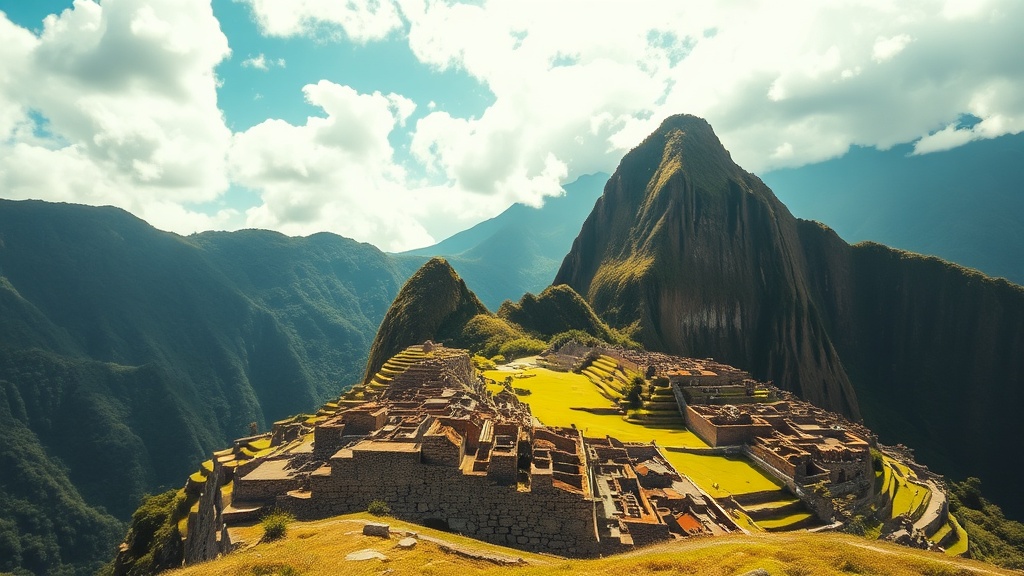
The Inca Trail is not just a hike; it is a highly regulated, multi-day expedition that culminates at the Sun Gate (Inti Punku) overlooking Machu Picchu. Unlike many "bucket list" treks that are purely scenic, the Inca Trail is an architectural journey through high-altitude mountain passes and ancient stone ruins. If you are looking for a way to structure your travel budget around a singular, high-impact experience, this is a primary candidate.
The Logistics of Planning
You cannot book the Inca Trail through a standard booking engine like Expedia or directly with the government. You must book through a licensed trekking operator. Because of the daily permit limits, you should aim to book your trek at least 6 to 8 months in advance, especially if you are traveling during the peak dry season (May through August).
Permit Availability and Timing
The Peruvian government issues permits through a centralized system. Once the permits for a specific date are gone, they are gone. If you miss the window for the classic 4-day trek, you can look into the 2-day or 3-day variations, though these offer significantly less historical context. The best time to go is during the Andean dry season. While the weather is more predictable, the high altitude remains a constant factor regardless of the month.
Choosing an Operator
Do not default to the cheapest option. In the trekking industry, low prices often correlate with poor safety standards, inadequate food, or subpar equipment. When vetting an operator, ask specifically about their ratio of porters to clients and their emergency medical protocols. A reputable company will provide high-quality sleeping mats, thermal blankets, and organized meal service. Look for companies that use professional mountain guides who are certified by the Asociación de Guías de Montaña del Perú (AGMP).
The Physical and Physiological Reality
The most significant obstacle on the Inca Trail is not the distance, but the altitude. You will be trekking through the Andes, reaching elevations of up to 4,215 meters (13,828 feet) at Dead Woman’s Pass (Warmiwañusqa). This is a serious physiological challenge that requires preparation.
Acclimatization Strategy
Do not fly from sea level directly to the trailhead. You must spend at least 2 to 3 days in Cusco (3,399m) before starting your trek. During these days, focus on hydration and light movement. I recommend walking the stairs of the Sacsayhuamán fortress to test your lung capacity at elevation. If you feel symptoms of Acute Mountain Sickness (AMS)—such as severe headaches, nausea, or dizziness—do not push through it. Most reputable guides carry supplemental oxygen, but the best remedy is descending to a lower altitude.
Physical Training
You do not need to be an elite athlete, but you do need cardiovascular endurance and leg strength. Focus your training on:
- Weighted Step-ups: Mimic the sensation of carrying a daypack.
- Incline Walking: Use a treadmill on a high incline or find local hills.
- Stair Climbing: This is the best way to prepare for the thousands of stone steps inherent to the trail.
The Four-Day Itinerary Breakdown
The classic route is a four-day, three-night journey. Here is what the actual progression looks like:
Day 1: The Warm-Up
The trek begins near Piscacucu or KM 82. The first day is relatively moderate, with much of the walking being relatively flat compared to what follows. You will pass through several small villages and experience the transition from cloud forest to high mountain terrain. This is the day to test your boots and ensure your pack weight is manageable.
Day 2: The Crux (Dead Woman’s Pass)
This is the most difficult day of the trek. You will face a relentless incline leading up to Dead Woman’s Pass. The air is thin, and the physical exertion is high. Once you summit the pass, the descent is steep and can be hard on the knees. Ensure you have trekking poles with rubber tips to protect the stone steps and your joints.
Day 3: The Cloud Forest and Ancient Ruins
After a steep descent from the pass, the terrain changes. You will enter the cloud forest, characterized by lush vegetation and high humidity. This day is more about endurance and enjoying the scenery. You will pass through sites like Phuyupatamarca and Wiñay Wayna. These ruins are often less crowded than Machu Picchu, offering a much more profound sense of isolation and history.
Day 4: The Sun Gate and Machu Picchu
The final day starts before dawn. You will hike toward the Sun Gate (Inti Punku) to catch the sunrise. This is the reward for the previous three days of exertion. Once you reach the Sun Gate, you descend into the Machu Picchu citadel. Most tours include a guided tour of the ruins after the trek is completed. This is a highly structured experience, so ensure you have your passport ready, as it is required for entry.
Budgeting for the Expedition
The Inca Trail is an investment. You should budget for more than just the trek itself; you need to account for the "hidden" costs of travel in Peru.
| Expense Item | Estimated Cost (USD) | Notes |
|---|---|---|
| Trek Package | $600 - $900 | Includes permits, guide, food, and camping gear. |
| Flights to Cusco | $200 - $500 | Varies by origin and booking time. |
| Machu Picchu Entry | $45 - $50 | Usually included in trek, but check your operator. |
| Tips (Porters/Guides) | $50 - $100 | Standard practice to tip your crew at the end. |
| Misc (Water/Snacks) | $50 | Even with provided meals, extra calories help. |
A total budget of $1,200 to $1,700 per person (including international airfare) is a realistic baseline for a high-quality, safe experience. If you see a "deal" for $300, walk away. You are paying for the expertise of the people keeping you safe in a remote, high-altitude environment.
Essential Gear List
Your gear can make or break the experience. In the Andes, the weather can shift from intense sun to freezing rain in minutes. Layering is non-negotiable.
- Footwear: Broken-in waterproof hiking boots. Do not wear brand-new boots on this trek.
- Layering System: A moisture-wicking base layer (merino wool is best), a mid-layer fleece, and a high-quality down jacket for the nights.
- Rain Protection: A lightweight, breathable rain shell and waterproof covers for your pack.
- Hydration: A reusable water bottle or hydration bladder. While many operators provide water, having a way to treat your own water is a smart backup. You can learn more about water safety in my post on why you should bring a portable water filter.
- Sun Protection: High SPF sunscreen, polarized sunglasses, and a wide-brimmed hat. The UV rays at 4,000 meters are significantly more intense than at sea level.
The Inca Trail is a rigorous, demanding, and highly rewarding expedition. It requires significant advance planning, physical preparation, and a realistic budget. However, standing at the Sun Gate and seeing the citadel emerge from the clouds is a perspective that a standard bus tour to Machu Picchu simply cannot provide. If you can manage the logistics, it is one of the most culturally and physically enriching treks on the planet.