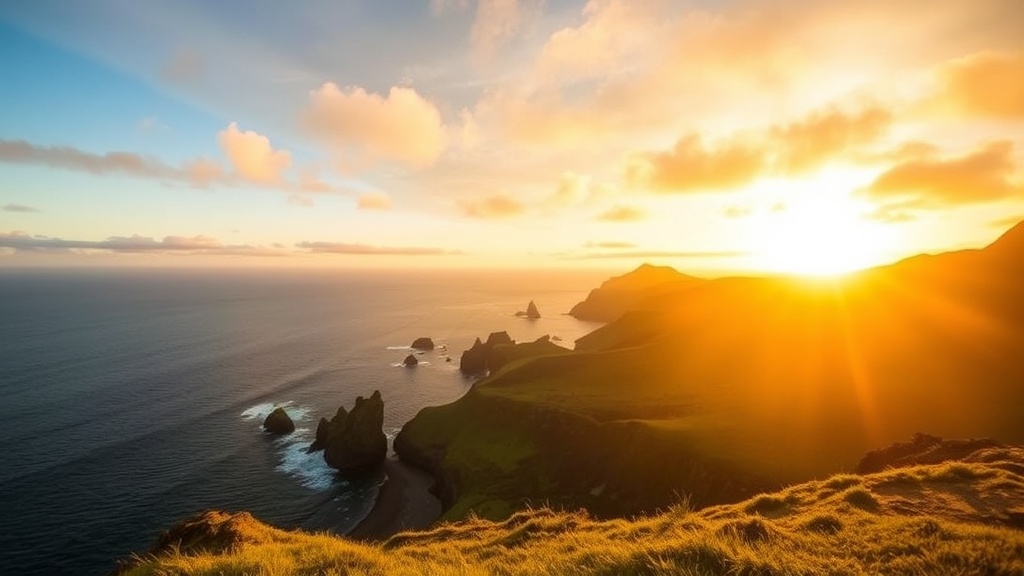
6 Remote Islands in the Azores for an Unforgettable Atlantic Adventure

São Miguel: The Green Island
Terceira: History and Coastal Views
Pico: Climbing the Highest Peak
Faial: The Blue Island
Flores: Waterfalls and Wild Nature
Santa Maria: Sun and Sand
Most travelers assume the Azores is a single destination or a monolithic group of islands with a unified vibe. This misconception leads people to book a single hotel on São Miguel and miss the technical diversity of the archipelago. The Azores are actually nine distinct islands spread across the North Atlantic, each offering vastly different geological profiles, wind conditions, and adventure niches. This guide breaks down six specific islands to help you decide where to allocate your limited PTO and budget based on your specific adventure profile—whether that is technical hiking, deep-sea diving, or coastal kayaking.
1. São Miguel: The High-Volume Adventure Hub
São Miguel is the largest and most developed island in the Azores. It is the logical starting point if you want access to high-end amenities and reliable transport infrastructure while still engaging in serious outdoor activity. Because it serves as the primary hub for SATA Air Açore, you will find the most frequent flight connections here.
Key Activities
- Thermal Bathing and Geothermal Exploration: Visit the Furnas Valley to experience high-temperature geothermal activity. The iron-rich waters at Terra Nostra Park are a standard for recovery after long treks.
- Hiking the Sete Cidades Caldera: The hike around the rim of the volcanic caldera offers significant elevation changes. Focus on the Vista do Rei trail for the most iconic views of the twin blue and green lakes.
- Whale Watching: Ponta Delgada is a professional-grade base for marine biology excursions. Look for operators using high-speed RIBs (Rigid Inflatable Boats) if you want to minimize transit time and maximize sighting probability.
Logistics and Budgeting
Since São Miguel has the most competition, you can find a wide range of accommodation. For a professional traveler, I recommend booking a rental car via AutoEuropa or Guerin at least three months in advance. Public transport is insufficient for reaching the best trailheads. Expect to spend approximately €40–€60 per day on a mid-range rental car and fuel.
2. Pico: The Vertical Challenge
If your primary goal is a technical physical feat, Pico is the destination. It is home to Mount Pico, the highest point in Portugal. Unlike the rolling hills of the central islands, Pico is defined by its steep, volcanic topography and the dramatic presence of the mountain.
Key Activities
- Climbing Mount Pico: This is a serious undertaking. The ascent is a long, grueling scramble over loose volcanic scree. You must start your ascent in the early morning to avoid the heat and potential afternoon fog. Ensure you have high-traction footwear; the terrain is exceptionally abrasive.
- Vineyard Trekking: The Criação Velha vineyards are a UNESCO World Heritage site. The vines are protected by small stone walls (currais) to shield them from Atlantic winds. Walking through these basalt corridors provides a unique geological perspective.
Technical Gear Note
The weather on Pico is volatile. If you are planning the summit push, do not rely on standard hiking shoes. You need a boot with a stiff sole and high ankle support to handle the uneven volcanic rock. For more information on gear readiness for rugged environments, see our guide on preparing for high-altitude treks, as the principles of footwear and layering apply here.
3. Faial: The Nautical Gateway
Faial is the center of the Atlantic's maritime activity. It is a rugged, wind-swept island that serves as a critical point for transatlantic shipping and sailing. It is an ideal base for those interested in maritime history and coastal exploration.
Key Activities
- Coastal Navigation and Kayaking: The coastline of Faial is jagged and prone to heavy swells. If you are planning to explore the coastline by water, you must be proficient in sea kayaking.
- Capelinhos Volcano Exploration: The Capelinhos volcano was formed by a massive eruption in 1957. The landscape is lunar, gray, and desolate. It is an incredible site for landscape photography, but the wind can be intense, so bring a tripod with a heavy-duty center column.
Logistics
Faial is easily connected to São Miguel and Pico via frequent ferry services. If you are moving between islands, the Atlanticoline ferry is the most cost-effective way to transport gear and yourself without the cost of regional flights.
4. Flores: The Atlantic’s Wild Frontier
Flores is the westernmost point of the Azores and feels significantly more remote than the central group. It is characterized by high rainfall, lush vegetation, and massive waterfalls. It is a "wet" adventure island, meaning your gear management must be impeccable.
Key Activities
- Waterfall Trekking: The island is dotted with dozens of waterfalls, most notably at Poço da Alagoinha. The trail to this site is often muddy and requires waterproof trekking boots and gaiters.
- Canyoning: The steep, basaltic cliffs and constant water flow make Flores one of the premier canyoning locations in Europe. You should hire a local guide for this, as the technicality of the descents requires local knowledge of water volumes and rock stability.
Practical Advice
Pack high-quality waterproof shells (Gore-Tex or similar) and dry bags for all electronics. The humidity on Flores is high, and even a "light" rain can saturate your gear in minutes. Do not underestimate the isolation; there are fewer services here than on São Miguel.
5. São Jorge: The Ridge Runner’s Paradise
São Jorge is a long, narrow island characterized by high cliffs and a central ridge. It is a linear island, which means your movement is often dictated by the elevation of the central spine.
Key Activities
- Fajã Exploration: A "Fajã" is a flat area at the base of a cliff, often created by lava flows or landslides. These areas, such as Fajã da Caldeira de Santo Cristo, are only accessible via steep footpaths or 4x4 tracks. They offer a unique microclimate and isolated beaches.
- Ridge Hiking: The central ridge offers long-distance hiking opportunities with constant sea views. The terrain is often narrow and can be exposed to high winds, so check the IPMA (Instituto Português do Mar e da Atmosfera) weather reports before heading out.
Budget Tip
The Fajãs are excellent spots for low-cost, high-reward camping or staying in small, family-run guest houses. This is much more affordable than the hotels found in the larger hubs.
6. Terceira: Culture Meets Adventure
Terceira offers a more balanced experience between cultural exploration and outdoor adventure. It is an island where you can spend the morning exploring 16th-century architecture and the afternoon hiking volcanic craters.
Key Activities
- Angra do Heroísmo Exploration: This UNESCO World Heritage city is a masterclass in colonial architecture. It is a great place to reset and enjoy high-quality local cuisine after a few days of physical exertion.
- Algar do Carvão: This is one of the few places in the world where you can walk inside a volcanic chimney. It is a geological marvel. Ensure you wear closed-toe shoes with good grip, as the interior surfaces can be damp and slippery.
Planning Your Itinerary
If you are planning a multi-island trip, use Terceira as a central hub. It has a well-developed airport and serves as a jumping-off point for several smaller islands in the central group. This allows you to minimize the time spent in transit and maximize the time spent on the ground.
Summary of Island Specializations
To simplify your decision-making process, use this quick reference guide based on your primary adventure interest:
- Technical Hiking/Climbing: Pico
- Waterfalls and Canyoning: Flores
- Geothermal and High-Volume Tourism: São Miguel
- Maritime and Coastal Exploration: Faial
- Isolated Coastal Microclimates: São Jorge
- Culture and Geological Wonders: Terceira
The Azores are not a "one size fits all" destination. By selecting the island that aligns with your specific skill set and interest—whether that is the verticality of Pico or the hydrological intensity of Flores—you will ensure your travel budget is spent on the experiences that actually matter to you.