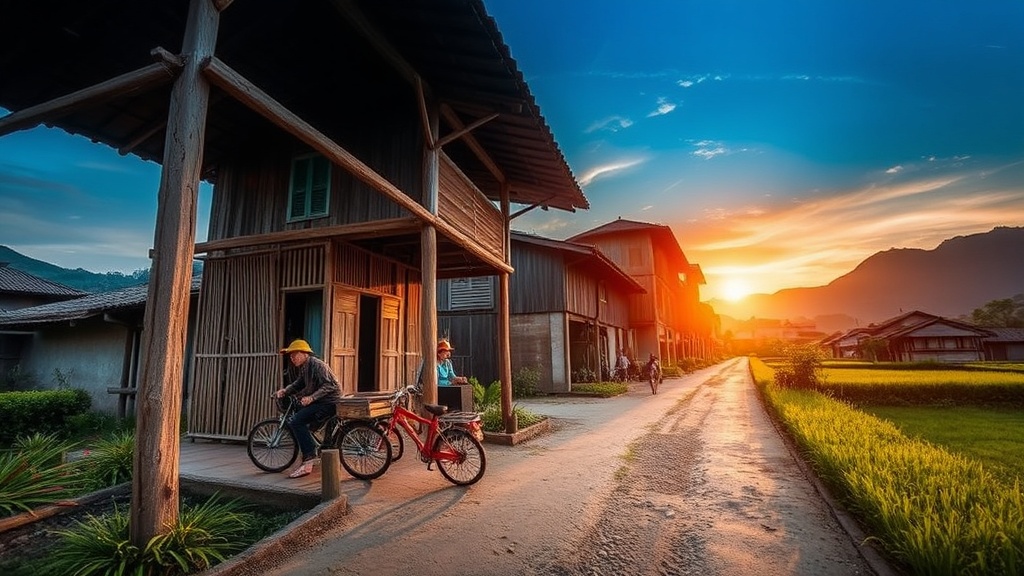
Beyond the Map: 5 Ways to Find Hidden Gems in Rural Vietnam

The Magic of Sapa's Remote Villages
Exploring the Mekong Delta's Floating Markets
Finding Peace in Ninh Binh's Hidden Caves
The Authentic Flavors of Central Highlands Coffee
Navigating the Ha Giang Loop Authentically
This guide provides five specific strategies for locating and accessing remote, non-tourist regions in rural Vietnam. You'll learn how to bypass the standard tour circuits, how to vet local transport options, and how to budget for multi-day excursions in the northern highlands and central highlands.
How Do You Find Remote Areas in Vietnam?
Finding hidden gems requires moving away from major hubs like Hanoi or Da Nang and focusing on secondary provincial centers. Most travelers stay in the "Golden Triangle" of tourism, but the real character of the country exists in the gaps between the popular destinations.
The first step is to look at provincial maps and identify regions that lack a direct flight or a high-speed train connection. If a place requires a 6-hour bus ride on a winding mountain road, it’s likely a place where you'll find authentic experiences rather than a crowd of influencers. I’ve found that the most interesting spots are often located near the borders of Laos or China, where the terrain becomes much more rugged.
Use a mix of digital and analog tools. While Google Maps is great for general direction, it won't tell you if a road is actually paved or if it's a muddy track that requires a dual-sport motorcycle. I often check Wikipedia entries for specific provinces to understand the ethnic demographics and the geography of the area before I even pack a bag. If the entry mentions mountainous terrain or specific ethnic minority groups, that's your cue to go deeper.
1. Follow the Local Transit Patterns
Instead of booking a private driver, look for the local "limousine" vans or provincial buses. These are the lifelines of the rural provinces. If you see a bus schedule for a town like Ha Giang or Cao Bang, follow that schedule. It tells you exactly where the movement of people is happening.
Don't expect luxury. You might be sitting on a wooden bench next to a crate of dragon fruit, but that's where the real information is. Talk to the person sitting next to you (if you can get a translator or use a translation app) and ask where they are headed. Often, the best stays are small, family-run homestays that don't even have a website.
2. Use Niche Social Media Groups
Standard travel sites are often three steps behind the actual reality on the ground. To find the newest trekking routes or remote stays, look at local enthusiast groups. There are many groups dedicated to motorbike touring in Southeast Asia where riders share real-time updates on road conditions and weather.
If you're planning a serious trek, you might want to look at how to pack light for a multi-day trek because the gear you'll need for a remote mountain pass is vastly different from a beach holiday.
How Much Does a Rural Vietnam Trip Cost?
A typical rural expedition in Vietnam costs significantly less than a Western-style guided tour, often ranging from $30 to $50 per day for everything including food and lodging. This budget assumes you are staying in local homestays and using public or semi-public transportation.
The cost structure in rural Vietnam is remarkably consistent. You aren't paying for "experiences" curated by a marketing agency; you're paying for actual lodging and food. Here is a breakdown of what you can expect to spend on a daily basis when venturing off the beaten path:
| Expense Type | Budget Estimate (USD) | Notes |
|---|---|---|
| Local Homestay (with breakfast) | $8 - $15 | Often includes a shared meal. |
| Street Food/Local Eateries | $2 - $5 | Phở or Bánh mì are extremely cheap. |
| Motorbike Rental (Daily) | $5 - $10 | Check the fuel levels before leaving. |
| Regional Bus/Van | $5 - $15 | Varies wildly based on distance. |
| Local Guide (Day Rate) | $25 - $40 | Essential for complex trekking. |
It's worth noting that while the daily costs are low, the "hidden" costs can add up. If you're riding a motorbike, you'll need a budget for fuel and the occasional repair. If you're trekking in the northern mountains, you'll likely need a local guide to ensure you don't wander off a ridge (and to help with language barriers).
3. Look for "Homestay" Labels, Not "Resorts"
In the digital age, many places have rebranded as "Eco-Resorts" to attract higher spending. While these are fine, they are often sanitized versions of the real thing. If you want the real deal, look for the term "Homestay." This usually means you are staying in a family home or a small building owned by a local family. It's more intimate, and the food is almost always better and more authentic.
I've spent many nights in the northern highlands where the "amenities" were a simple mosquito net and a single lightbulb. It's not a luxury hotel, but it's a real connection to the culture. If you're used to high-end amenities, you might want to check out my guide to planning your next adventure to manage your expectations before you head into the mountains.
4. Leverage Local Expertise via Physical Hubs
In many rural areas, the best information isn't online. It's at the local coffee shop or the central market. If you're in a town like Yen Bai, go to the central market early in the morning. This is where the real commerce happens. You'll see the local-to-local trade, the seasonal produce, and the people who actually know the terrain.
Ask the market vendors or the local coffee shop owners about the "next town over" or the "best mountain pass." Even with a language barrier, a few gestures and a translation app can get you a lot of information. This is how you find the trails that aren't on any digital map.
What Gear Should I Bring for Rural Vietnam?
You should prioritize lightweight, quick-drying clothing and reliable footwear that can handle both mud and uneven rock. The weather in the northern highlands can change from sweltering heat to chilling dampness in a single afternoon.
Don't rely on buying gear once you arrive in a rural province. While you can find basic supplies in cities like Hanoi, the selection in the mountains will be extremely limited. You'll want high-quality moisture-wicking base layers and a reliable rain shell. I personally never travel without my Patagonia Torrentshell because the weather in the northern mountains is notoriously unpredictable.
A solid pair of hiking boots or trail runners is also a non-negotiable. The terrain in places like the Ha Giang loop is punishing on your feet. If you're planning on riding a motorbike, a lightweight, packable jacket is a lifesaver when the temperature drops at high altitudes.
5. Use the "One Step Further" Rule
The best way to find a hidden gem is to take the last bus or the last turn-off. If a tour group is stopping at a specific viewpoint, don't stop there. Keep going. Most of the "hidden" spots are actually just 20 or 30 minutes further down the road than the standard tourist stops.
I’ve found that the most profound experiences happen when you intentionally choose the less convenient option. If a road looks a bit rough, that's usually a good sign. It means the crowds haven't arrived yet. It means you're about to see a side of the country that most travelers only see through a camera lens.
This requires a bit of mental flexibility. You have to be okay with things not being "perfect." There might be a power outage, or the bus might be two hours late. But that's the trade-off for seeing something truly unique. The more you're willing to embrace the discomfort, the more rewarding the trip becomes.