Navigating Night Markets in Southeast Asia Like a Local

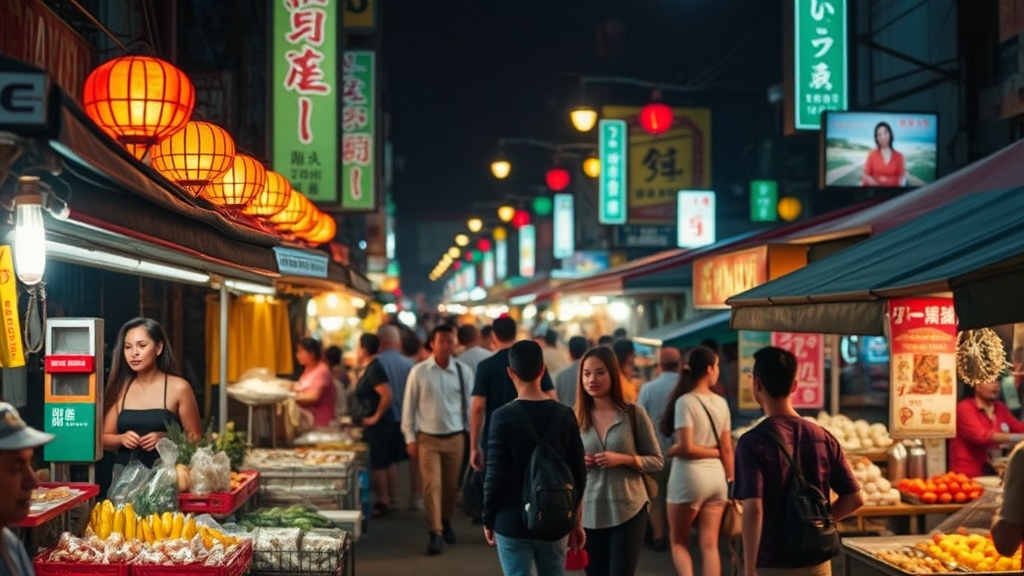
The scent of charred lemongrass, sizzling garlic, and fermented fish sauce hits you before you even see the neon lights. Steam rises from heavy metal woks, illuminated by naked lightbulbs dangling from temporary wooden stalls. This is the Southeast Asian night market—a chaotic, high-sensory environment where the best food in the world is sold for a few dollars. This guide breaks down exactly how to handle the crowds, manage your money, and avoid getting sick while eating your way through Bangkok, Chiang Mai, or Hanoi.
I spent years in a sterile office building optimizing silicon chips, so I have a natural obsession with efficiency and systems. When I transitioned to full-time travel, I realized that night markets are the ultimate optimization problem. You want the highest quality food for the lowest possible price, without the "tourist tax" or a ruined stomach. It's about knowing which stall to hit and which one to skip.
How Much Does It Cost to Eat at Night Markets?
A typical night market meal in Southeast Asia costs between $2 and $5 USD per person. If you are willing to splurge on a drink or a more complex dish, you might hit $8, but you won't find much more than that. This is one of the most budget-friendly ways to experience high-quality cuisine anywhere on the planet.
To give you a better idea of what to expect, I've broken down the typical costs for common items in regions like Thailand and Vietnam. These prices are averages you'll see in places like the Chatuchak Weekend Market or various street food hubs in Hanoi.
| Item Type | Estimated Cost (USD) | Example Dish |
|---|---|---|
| Light Snack | $1.00 - $2.00 | Grilled Skewers (Moo Ping) |
| Main Dish | $2.50 - $4.50 | Pad Thai or Banh Mi |
| Fruit/Dessert | $1.50 - $3.00 | Mango Sticky Rice |
| Beverage | $1.00 - $2.50 | Fresh Coconut or Thai Tea |
The catch? You need cash. While some larger vendors in high-traffic areas might accept QR code payments (like PromptPay in Thailand), most stalls are strictly cash-only. Don't rely on your credit card or even a high-tech travel wallet here. Carry small, clean denominations of local currency. If you try to pay for a $1.50 skewer with a $50 bill, you're going to create a scene—and you might not get change.
What Should You Eat to Avoid Getting Sick?
The safest strategy is to eat food that is cooked fresh in front of you at high heat. Look for vendors with high turnover and visible cooking processes. If the food is sitting in a lukewarm pile under a lukewarm cover, walk away. Your gut microbiome isn't ready for that level of experimentation yet.
Here is my hierarchy of "Safe vs. Risky" foods when you're navigating a new city:
- The High-Heat Winners: Stir-fries, noodle soups (like Pho), and grilled meats. The boiling broth or the searing wok temperature kills most bacteria.
- The Fresh Fruit Rule: Stick to fruit you can peel yourself. A peeled mango or a whole dragonfruit is much safer than a pre-cut fruit salad that has been sitting in the sun.
- The Beverage Protocol: Stick to bottled water or drinks that are sealed. If you're ordering a cocktail or a juice, ensure the ice is made from purified water (look for the cylindrical ice with a hole in the middle, which is usually a sign of commercial production).
- The "Avoid" List: Pre-cut salads, raw seafood (unless you are at a high-end, trusted spot), and anything that looks "tired" or wilted.
I'm not a doctor, but I've learned through trial and error (and a few miserable nights in a hotel room) that turnover is your best friend. A stall with a long line of locals is a much better indicator of quality and safety than a stall with a sign in English. If the locals are eating there, the food is moving fast, which means it isn't sitting out for hours. It's a simple data point—use it.
If you're looking for more adventure-focused food experiences, you might enjoy exploring the hidden flavors of Morocco, which offers a different but equally intense street food culture.
How Do You Find the Best Food Stalls?
The best way to find high-quality food is to look for high turnover, local crowds, and visible cooking methods. Don't look for the prettiest stall; look for the one that is the busiest. In a crowded market, a high turnover rate means the ingredients are being replenished constantly.
I used to spend hours analyzing data sets, and I apply that same logic to finding a good meal. I look for three specific signals:
- The Crowd Density: Are the people standing there locals or tourists? A mix is fine, but if it's 100% backpackers, you're likely paying a "tourist tax."
- The Menu Complexity: The best stalls often do only one or two things perfectly. If a vendor is trying to sell Pad Thai, Pizza, and Tacos, they aren't a specialist. Find the person who has been making the same soup for thirty years.
- The Visual Cues: Watch the cook. Is the wok smoking? Is the oil hot? Is the person handling the money also handling the food with the same hands? (This is a big one—if they use one hand for cash and one for food without washing/sanitizing, move on.)
One thing to note—don't be afraid to be a bit "intense" with your observation. I've spent way too much time watching a vendor prep a dish just to ensure I'm not walking into a trap. It's not being rude; it's being smart. You're there to experience the culture, not to spend your vacation dealing with food poisoning.
If you're already in a high-adventure mindset, you might want to check out my guide on conquering New Zealand to see how adventure looks in a completely different hemisphere.
Pro-Tips for Navigating the Chaos
The sheer volume of people can be overwhelming. You'll be bumped, you'll be jostled, and you'll probably get a little sweaty. That's part of the deal. To make the experience more seamless, keep a few things in hand. A small pack of unscented wet wipes is a lifesaver for cleaning your hands before and after eating. I also highly recommend carrying a small bottle of hand sanitizer—it's a lightweight way to add a layer of defense.
When it comes to seating, don't expect a fine dining experience. You'll likely be sitting on a tiny plastic stool that feels like it was designed for a toddler. This is where you'll see the real Southeast Asia. Embrace the discomfort. It's part of the authenticity. If you're worried about your clothes getting dirty, don't wear your expensive linen shirt or your brand-new Patagonia gear. Wear something that can handle a splash of soy sauce or a bit of steam.
Lastly, learn a few basic phrases. Even if it's just "Thank you" or "How much?" in the local language. It changes the dynamic from a transaction to a human interaction. It shows respect, and often, you'll get better service (and perhaps a slightly better price) if you show you've put in the effort. It's a small optimization, but it works.
The night market is a beautiful, messy, delicious part of traveling through this part of the world. It's not just about the calories; it's about the energy of the place. Once you learn the system, you'll find yourself looking forward to the sunset every single day, waiting for the stalls to open.
Steps
- 1
Arrive Early to Beat the Crowds
- 2
Follow the Local Queues
- 3
Carry Small Denominations of Cash
- 4
Observe Hygiene Standards