Navigating the High Atlas: A Trekker's Guide to Morocco
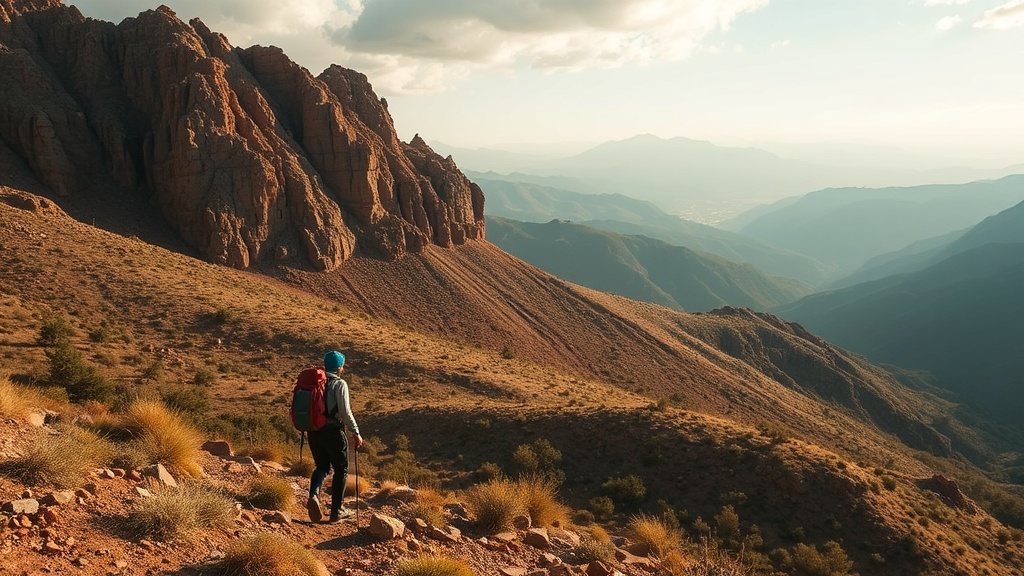
The High Atlas: More Than Just a Backdrop
When I was working as a systems engineer at Intel, my idea of "elevation" was a higher tier in a server rack. Now, when I think of elevation, I think of the thin, crisp air of the High Atlas Mountains in Morocco. For many travelers, Morocco is a destination of sensory overload: the spice markets of Marrakech, the blue alleys of Chefchaouen, and the relentless energy of the souks. But for those of us who crave physical challenge and topographical complexity, the real magic lies north of the plains.
The High Atlas isn't just a mountain range; it is a massive, geological barrier that dictates the climate, culture, and pace of life in North Africa. It is rugged, often unforgiving, and remarkably diverse. Whether you are aiming for the iconic summit of Mount Toubkal or looking for a more contemplative trek through the valleys of M'Goun, this guide is designed to help you plan a serious expedition without the "influencer" fluff. We are looking at real logistics, real costs, and the technical realities of trekking in North Africa.
When to Go: The Seasonal Optimization Problem
In engineering, we talk a lot about optimization. In trekking, optimization is all about the window between extreme heat and extreme cold. The High Atlas is a high-altitude environment, and the weather can pivot from temperate to hostile in a single afternoon.
Spring (March to May): This is the season of rebirth. The valleys turn a vibrant green, and the wildflowers are spectacular. However, high passes can still be choked with snow. If you are planning a trek during this time, you need to be prepared for variable conditions. It is a great time to focus on financing your adventure upgrades, as you'll likely need high-quality layering systems to handle the temperature swings.
Summer (June to August): This is the most popular time, but it comes with a caveat: heat. While the mountains provide a reprieve from the scorching temperatures of Marrakech, the lower valleys can become incredibly hot. If you are trekking in mid-summer, you must start your days at dawn to avoid the midday sun.
Autumn (September to November): In my opinion, this is the "sweet spot." The crowds have thinned, the air is stable, and the temperatures are manageable. It is the perfect window for long-distance trekking where you want to maximize your daily mileage without heat exhaustion.
Winter (December to February): This is serious mountaineering territory. If you aren't experienced with crampons, ice axes, and winter navigation, stay in the valleys. The high peaks become technical and dangerous during these months.
Logistics and Planning: The Real Costs
I’ve always been a proponent of the "optimized life"—minimizing the fluff to maximize the experience. When planning a trek in Morocco, you have two main paths: the solo trekker or the guided expedition. While you can technically hike many of these trails solo, I strongly recommend hiring a local guide, especially for high-altitude summits like Toubkal.
The Guided vs. Solo Reality
A professional guide does more than just show you the way; they provide the logistical backbone that makes the trip possible. They handle the mule transport (essential for heavy gear), organize the camp or gite stays, and navigate the complex social etiquette of the Berber villages. It also ensures that your money stays within the local economy, which is vital for sustainable travel.
- Solo Budget: If you are a highly experienced navigator and carrying all your own gear, you can get by on a modest budget. Expect to spend $40–$60 USD per day for food and basic accommodation in mountain villages.
- Guided Expedition: A high-quality, multi-day trek with a guide, mule support, and professional equipment will typically cost between $150 and $300 USD per day, depending on the level of luxury and group size.
If you are trying to balance a full-time career with these high-cost adventures, I highly recommend looking into how to keep your remote work fresh through micro-breaks. It’s easier to justify the cost of a guided trek when you’ve optimized your work-life integration to allow for these high-impact experiences.
The Gear: What Actually Matters
One mistake I see often is people over-packing "just in case" items. In the High Atlas, weight is your enemy. Every extra pound you carry is a pound that will punish your knees on the steep descents. I once spent years over-engineering my packs before realizing that simplicity is the ultimate sophistication.
If you are preparing for a multi-day trek, you should study how to master packable gear. You don't need every gadget on the market; you need a reliable layering system, broken-in boots, and a way to manage water.
Essential Gear Checklist:
- Footwear: Mid-to-high cut hiking boots with good ankle support. The terrain is rocky and uneven.
- Layering System: A moisture-wicking base layer, a mid-weight fleece, and a high-quality wind/waterproof shell.
- Hydration: A bladder system and at least 2 liters of carrying capacity. Water purification tablets or a filter are non-negotiable.
- Sun Protection: The sun at 4,000 meters is brutal. High SPF sunscreen, polarized sunglasses, and a wide-brimmed hat are mandatory.
- Navigation: Even with a guide, carry a physical map and a GPS device. Technology can fail, especially in deep valleys.
Top Treks in the High Atlas
Depending on your skill level and time availability, there are several distinct ways to experience the range.
1. Mount Toubkal (4,167m)
This is the crown jewel of North Africa. It is a non-technical trek, but the altitude is no joke. The final ascent can be grueling, and the weather can turn on a dime. It is a "bucket list" item for many, but don't let the lack of technical climbing fool you—the physical demand is significant.
2. The M'Goun Massif
If you want something less crowded and more focused on river trekking and canyon exploration, the M'Goun is your destination. It offers a more varied landscape, including lush valleys and dramatic gorges. It feels much more "wild" than the Toubkal routes.
3. The Imlil Valley Loops
For those with limited time—perhaps you're working remotely and can only take a long weekend—the area around the village of Imlil offers numerous day hikes and 2-3 day loops. These are excellent for testing your fitness before attempting a larger expedition.
While the ruggedness of the Atlas is a stark contrast to the serene, highly managed trails of Europe, the sense of accomplishment is similar. If you’ve previously explored the hidden alpine lakes of the Dolomites, you will appreciate the geological scale of the Atlas, though you'll find the infrastructure much more rudimentary and the culture much more visceral.
Cultural Etiquette and Respectful Travel
You are a guest in a deeply traditional society. The Berber (Amazigh) people have lived in these mountains for millennia, and their way of life is built on hospitality and respect. As a traveler, it is easy to fall into the trap of "observational tourism," but I encourage you to be more intentional.
Ask Before You Photograph: This is a basic rule of respect. Whether it's a person or a private home, always ask. A nod and a gesture go a long way.
Dress Modestly: While you are trekking, when you are in the villages, avoid overly revealing clothing. This isn't just about culture; it's about showing respect for the local customs that govern daily life.
Leave No Trace: This is the most important rule. The mountain ecosystems are fragile. Carry out everything you carry in. If you see trash on the trail, pick it up. It's a small action that preserves these landscapes for the next generation of adventurers.
"The mountains are not just a place to visit; they are a place to be changed by. The High Atlas offers a perspective that only comes from the intersection of physical struggle and cultural immersion."
The High Atlas is a place for the serious traveler—the person who wants to trade the digital noise of the modern world for the rhythmic sound of trekking poles and the call to prayer echoing through a valley. It requires planning, it requires a budget, and it requires respect. But the payoff, standing on a ridge overlooking the Saharan expanse, is something no amount of "stuff" could ever provide.