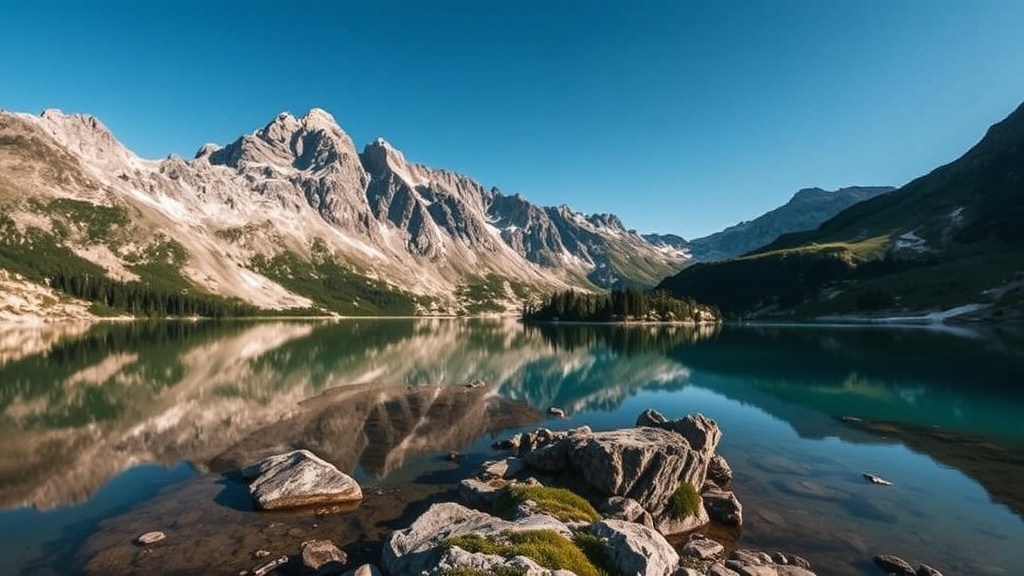
5 Hidden Alpine Lakes You Must Trek to in the Dolomites

Lago di Sorapis: The Milky Blue Wonder
Lago di Federa: A High Altitude Sanctuary
Lago di Braies: Beyond the Crowds
Lago di Carezza: The Rainbow of the Dolomites
Lago di Landro: The Hidden Mirror
The Dolomites: Beyond the Instagram Crowds
When I was working as an engineer at Intel, my idea of a "weekend getaway" was a highly optimized, predictable trip to a nearby city. I lived by logic, efficiency, and spreadsheets. But when I traded the silicon valley life for a life of global exploration, I realized that the best experiences aren't found in the most "optimized" or popular spots. They are found in the fringes. The Dolomites in Italy are a prime example. While most tourists flock to the crowded vistas of Tre Cime di Lavaredo or the iconic Lago di Braies, there is a completely different world of high-altitude alpine lakes tucked away in the jagged limestone peaks of the South Tyrol.
These lakes aren't just beautiful; they are rewards for the effort of the trek. They require vertical gain, proper footwear, and a bit of grit. For those of us who work 40+ hours a week and have a finite amount of PTO, planning these trips isn't about luxury—it's about maximizing the return on your effort. You want the highest quality experience for the time and money you invest. Whether you are planning a massive expedition or looking for short escapes to recharge your mind, understanding the terrain is your first step to success.
Below are five of the most spectacular, slightly more secluded alpine lakes in the Dolomites. I’ve broken down the logistics, the difficulty, and the "why" behind each one.
1. Lago di Sorapis: The Milky Turquoise Gem
If you have seen a photo of a lake that looks like it has been infused with blue paint, it was likely Lago di Sorapis. The color comes from "glacial flour"—fine particles of rock suspended in the water that refract light. It is a stunning sight, but don't let the beauty fool you; the approach is no joke.
The Trek: The most common route starts from Passo Tre Croci. It is a moderate hike, but it involves a technical section involving a via ferrata-style ladder (though it's relatively short) and some narrow, rocky paths. If you are prone to vertigo, pay attention to the trail markers.
- Difficulty: Moderate to High (due to technical sections).
- Elevation Gain: Approximately 250m from the trailhead, but the terrain is uneven.
- Pro Tip: Start early. Because this is the most "famous" of the hidden lakes, it still gets crowds by midday. If you want that perfect, mirror-like reflection without fifty people in your shot, be at the lake by 8:00 AM.
Since you'll be spending a lot of time on your feet, make sure your gear is in top shape. If you're looking to upgrade your footwear or trekking poles before this trip, check out my guide on the Spring Gear Budget to ensure you aren't overpaying for premium brands when mid-tier performance is all you need.
2. Lago di Federa: The High-Altitude Sanctuary
Located in the Civetta group, Lago di Federa is a much more rugged experience than Sorapis. This is a true mountain lake, surrounded by massive limestone walls that make you feel incredibly small. The water is crystal clear and serves as a perfect basin for the surrounding peaks.
The Trek: This is a long-haul trek. Most people approach this by staying overnight at a Rifugio (a mountain hut). The hike from Passo Staulanza is a steady, relentless climb through forest and then through alpine meadows. It is a test of endurance rather than technical skill.
- Difficulty: Hard (Endurance-based).
- Best Way to Experience: Book a bed at Rifugio Coldai. It allows you to hike up in the afternoon and wake up at the lake at sunrise.
- Logistics: Bring a lightweight sleeping bag if you plan to stay in the hut. These are functional, not luxurious.
When you're out in these high-altitude environments, your body reacts differently to the elements. Just as I learned when navigating the mist in Norway, environmental awareness is key to safety. In the Dolomites, this means watching the weather shifts—alpine storms can roll in within minutes.
3. Lago di Landro: The Valley Floor Jewel
While many of the lakes mentioned here require a grueling vertical climb, Lago di Landro offers a different kind of beauty. It sits at a lower elevation, making it much more accessible, but its proximity to the massive Monte Cristallo makes the scale of the mountains feel overwhelming.
The Trek: This is a much more relaxed trek, perfect for a recovery day or for those who want to enjoy the scenery without a heavy pack. You can walk along the perimeter of the lake on well-maintained paths.
- Difficulty: Easy.
- Ideal For: Families or those wanting a "low-impact" day after several days of heavy hiking.
- The View: The reflection of the pink-hued mountains in the water at sunset is unparalleled.
Even on an "easy" day, I recommend bringing a high-protein snack. Staying fueled is essential for maintaining energy levels, much like how one might follow a structured eating plan to maintain energy during a high-intensity season.
4. Lago di Carezza: The Rainbow of the Dolomites
Lago di Carezza (Karersee) is often called the "Emerald of the Dolomites." It is located at the foot of the Latemar mountain range. While it is more accessible and thus more crowded, the sheer geological drama of the place is undeniable. The water changes color depending on the angle of the sun, shifting from deep emerald to a bright, translucent turquoise.
The Trek: There is a circular path that goes around the lake. It is paved in many sections, making it very easy to navigate. However, the real adventure begins if you use the lake as a base camp to trek upward toward the Latemar peaks.
- Difficulty: Easy (for the lake walk); Very Hard (for the surrounding peaks).
- Access: Very easy via car or public bus from Bolzano.
- Note: There is a strict rule about not entering the water to protect the delicate ecosystem. Respect the local regulations.
Respecting the environment is a core value for me. Whether it's following Leave No Trace principles or learning ways to boost your sustainability, we have to ensure these alpine environments remain pristine for the next generation of adventurers.
5. Lago di Cimermo: The Hidden Valley Secret
For those who truly want to escape the "tourist circuit," Lago di Cimermo is a fantastic option. It is tucked away in a valley that feels much more isolated than the more famous lakes. The trek here feels like a journey into a forgotten world.
The Trek: The approach involves navigating through dense forests and ascending through varying micro-climates. It is less about the "grand view" and more about the intimacy of the landscape. You’ll find yourself surrounded by wildflowers, dense greenery, and the sound of nothing but the wind and water.
- Difficulty: Moderate.
- What to Bring: A reliable topographical map and a GPS device. The trails here are less marked than the main routes near Cortina.
- Best Season: Late June to early September. Before then, the snowmelt can make the trails extremely muddy and difficult to navigate.
Navigating these less-trodden paths requires a different mindset than a standard hike. It requires patience and a willingness to adapt to the terrain, much like the mental discipline required when trekking through the hidden valleys of Bhutan.
Final Logistics & Budgeting Advice
If you are planning a trip to the Dolomites, don't just look at the cost of your flights. As someone who used to optimize systems for a living, I suggest you optimize your entire travel budget. The Dolomites can be expensive if you stay in high-end hotels in Cortina d'Ampezzo, but it can be incredibly affordable if you leverage the Rifugio system and local transport.
My Top Three Rules for a Successful Dolomites Expedition:
- Invest in Footwear: Do not skimp here. The terrain is jagged limestone. A cheap pair of trail runners will result in blisters and potentially a failed trip.
- Respect the Weather: Alpine weather is volatile. Always check the local "Meteo Dolomites" reports before heading out. If the clouds look heavy, stay in the valley.
- Plan for Verticality: Every "short" hike in the Dolomites has more elevation than you think it does. Always add 30% to your estimated time of arrival.
The Dolomites aren't just a destination; they are a challenge. They demand respect, preparation, and a bit of grit. But when you stand at the edge of a turquoise lake, surrounded by walls of stone that touch the clouds, you’ll realize that the effort was the best part of the trip.