Navigating the Night: A Guide to Stargazing in the Atacama Desert

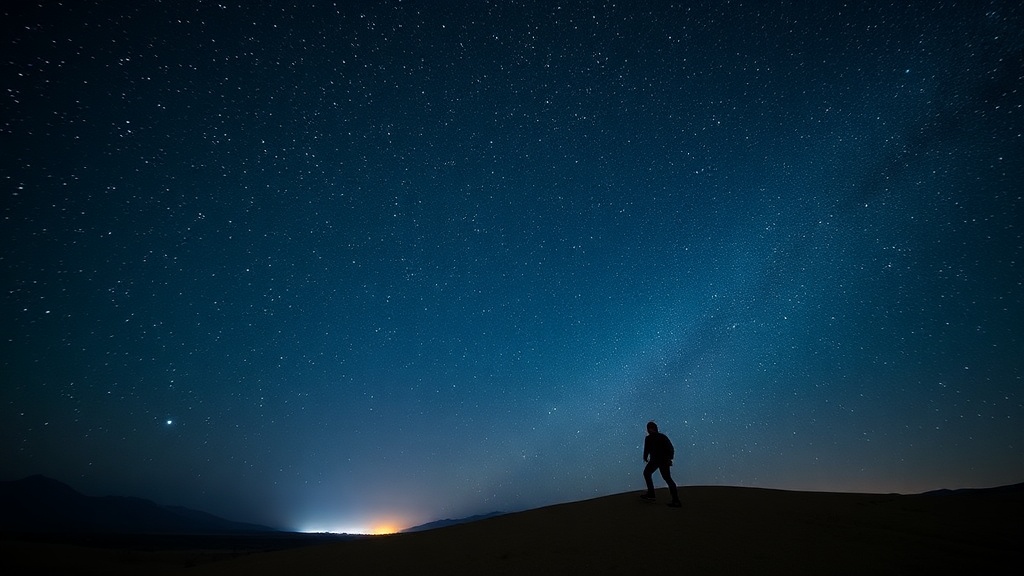
You are standing 2,400 meters above sea level in the San Pedro de Atacama oasis. It is 11:00 PM. You look up, and instead of the scattered stars visible from a suburban backyard, you see the Milky Way as a dense, glowing structural feature of the sky. This is the Atacama Desert in Chile, arguably the premier stargazing location on the planet due to its extreme aridity, high altitude, and lack of light pollution. This guide provides the technical logistics, gear requirements, and budgetary breakdowns necessary to plan a high-yield astronomical expedition to this region without wasting time or money on subpar tours.
The Science of the Sky: Why the Atacama?
To understand why you are traveling to this specific corner of Chile, you have to look at the atmospheric variables. The Atacama sits in a "double rain shadow"—the Andes to the east and the Chilean Coast Range to the west—which creates one of the driest non-polar environments on Earth. For an astronomer or an enthusiast, dryness equals clarity. Water vapor in the atmosphere scatters light; the less vapor, the sharper the stellar images. Furthermore, the high altitude minimizes the "atmospheric seeing" issues that plague lower-elevation observatories.
While many people visit for the salt flats or the geysers, the real value lies in the proximity to professional-grade observatories like the ALMA (Atacama Large Millimeter/submillimeter Array). While you cannot visit the ALMA facility itself without specific scientific clearance, the surrounding airspace is the clearest you will ever experience. If you are planning a multi-stop South American itinerary, you might also want to look into navigating high altitudes in the Peruvian Andes, as the physiological demands of altitude sickness are similar in both regions.
Logistics and Timing: When to Go
The window for optimal stargazing is dictated by the lunar cycle. If you arrive during a Full Moon, the sheer brightness of the moon will wash out the subtle nebulas and the deep reaches of the Milky Way. To see the "dark sky" in its true form, you must plan your trip around the New Moon phase. Aim to be in the Atacoma for at least 5 to 7 days surrounding the New Moon to ensure you catch the peak darkness.
Seasonal Considerations
- Winter (June–August): The skies are exceptionally clear, but temperatures in the desert can plummet to -10°C (14°F) at night. This is the best time for seeing deep-sky objects, but the thermal management of your gear becomes critical.
- Summer (December–February): While slightly more humid due to the "Bolivian Winter" (high-altitude moisture), the temperatures are more manageable. However, occasional cloud cover is more frequent during these months.
Budgeting Your Expedition
Stargazing in the Atacama is not a "budget" activity if you want high-quality access. You have two primary ways to experience the sky: commercial star tours and independent observation. I have broken down the estimated costs below based on a 4-day window in San Pedro de Atacama.
| Expense Category | Low-End (Independent) | High-End (Guided Tour) |
|---|---|---|
| Astronomy Tour | $0 (Self-guided) | $45 - $85 per person |
| Transport (Calama to San Pedro) | $25 (Public Bus) | $60 (Private Transfer) |
| Lodging (Per Night) | $40 (Hostel) | $180+ (Boutique Hotel) |
| Specialized Gear/Rentals | $200+ (Buying your own) | $0 (Included in tour) |
If you are an amateur astronomer bringing your own equipment, you are effectively opting for the "Low-End" path in terms of direct tour costs, but your upfront investment in a telescope or high-end binoculars will be significant. For most travelers, the most efficient ROI is to book a high-end guided tour which provides professional-grade telescopes and an expert guide to explain the constellations.
Essential Gear: The Technical Checklist
Do not underestimate the desert night. The temperature drop is non-linear; it is not just "chilly," it is a sharp, dry cold that saps body heat rapidly. If you are sitting still for two hours looking at the sky, you will lose heat through conduction to the ground.
Clothing and Comfort
- Layering System: Use a base layer of Merino wool (like Smartwool or Icebreaker). Avoid cotton at all costs; once cotton gets damp from sweat or humidity, it stays cold. Add a mid-layer of fleece and a windproof/insulated outer shell.
- Seated Insulation: If you are doing a self-guided session, bring a closed-cell foam pad (like a Therm-a-Rest Z-Lite). Sitting on a rock or the sand will pull heat from your body instantly.
- Headlamp with Red Light Mode: This is non-negotiable. White light destroys your night vision (dark adaptation) for up to 30 minutes. A red light mode allows you to see your feet and gear without ruining your ability to see the stars.
Optical Equipment
If you are not booking a tour, you need a way to view the sky. For beginners, I recommend high-quality binoculars over a telescope. A pair of 7x50 or 10x50 binoculars (such as the Nikon Action EX) is much easier to stabilize in cold temperatures and provides a wide field of view that makes finding constellations easier.
If you are serious about astrophotography, you will need a sturdy tripod and a star tracker. The wind in the Atacama can be gusty, so a lightweight travel tripod will not suffice. You need something with significant weight and a solid center column to prevent vibration during long exposures.
Professional Tips for Success
To get the most out of your time in the desert, follow these three technical protocols:
- Dark Adaptation: It takes roughly 20 to 30 minutes for your eyes to fully adjust to the dark. During this time, do not look at your phone, your camera screen, or any bright light sources. If you must check a map, use a red-light setting.
- Altitude Management: Many stargazing spots are higher than the town of San Pedro itself. Drink significantly more water than you think you need. Dehydration accelerates altitude sickness, which can manifest as headaches and nausea—both of which will ruin your ability to enjoy the view.
- Thermal Equilibrium: If you are using a camera or a telescope, bring it outside 30 minutes before you start. If you move a piece of equipment from a warm hotel room directly into the freezing desert air, you will deal with lens fogging and internal condensation. Let the gear acclimate to the ambient temperature slowly.
"The Atacama is not a place for the casual observer. It is a place for those who respect the environment and prepare for the technical challenges of high-altitude, low-moisture desert nights."
Where to Stay: San Pedro de Atacama vs. Remote Lodges
Most travelers base themselves in San Pedro de Atacama. It is the logistical hub with plenty of food, pharmacies, and transport links. However, if your budget allows, look for "Astro-Hotels" or lodges located further out toward the salt flats. These establishments often have their own on-site observatories and have much lower light pollution than the town center. While you will pay a premium for the seclusion, the lack of ambient light from the town's streetlights and vehicle traffic provides a superior viewing experience.
When planning your trip, remember that the Atacama is a high-stakes environment. The desert is beautiful, but it is also harsh. By focusing on the technical details—the lunar cycle, the thermal management, and the altitude—you move from being a tourist to a prepared explorer. Whether you are using a $5,000 telescope or just your naked eyes, the clarity of the Chilean sky is a once-in-a-lifetime experience that rewards the prepared.