Trekking the Hidden Valleys of Bhutan: A Journey to the Last Shangri-La

I spent twelve years in the semiconductor industry, obsessing over nanometers and optimizing logic gates. When I finally traded my Intel badge for a pair of worn-in hiking boots, I didn't just want to see the world; I wanted to understand the logistics of the inaccessible. Most people view Bhutan through a lens of mysticism—the "Last Shangri-La"—but as someone who likes to see the underlying architecture of a trip, I see Bhutan as a masterpiece of controlled, high-value tourism. Unlike many destinations that have succumbed to mass market saturation, Bhutan has intentionally protected its culture and ecology through a strict "High Value, Low Volume" policy. This isn't a destination for the budget backpacker looking to sleep on a park bench; it is a destination for the intentional traveler who values exclusivity and environmental stewardship.
Trekking the hidden valleys of Bhutan—specifically the Phobjikha Valley and the high passes of the Bumthang region—requires more than just physical stamina. It requires a rigorous logistical framework. If you are planning a trek here, you aren't just booking a flight; you are navigating a complex system of Sustainable Development Fees (SDF), mandatory guides, and highly regulated entry points. In this guide, I’m going to break down the actual costs, the gear requirements, and the tactical reality of trekking through the Himalayas.
The Logistical Framework: Understanding the Bhutanese Model
Before you even pack a single piece of gear, you need to understand the entry requirements. Bhutan does not operate like Thailand or Nepal. You cannot simply show up at an airport and find a hostel. Every traveler must book through a licensed tour operator or follow the strict government-mandated visa process. The most significant line item in your budget will be the Sustainable Development Fee (SDF). Currently, this is a daily levy intended to fund the country's carbon-neutral status and social programs.
When I was planning my last expedition, I realized that many travelers fail to account for the "hidden" costs of these mandatory fees. It’s easy to get caught up in the excitement of the scenery, but if you don't treat your trip planning like a project launch, you'll end up with a significant budget deficit mid-trip. This is one of those common group trip budget pitfalls that can derail even the best-laid plans. Always factor in the SDF, the mandatory guide fees, and the specialized transport required for high-altitude terrain.
The Cost Breakdown (Real Numbers)
Let's get into the data. For a 10-to-14-day trek through the hidden valleys, you should expect the following:
- SDF & Visa: Approximately $100 - $200 USD per person, per night (depending on current government policy updates).
- Guided Trekking Package: $250 - $400 USD per day. This usually includes your professional guide, porters, meals, and high-quality camping gear.
- Internal Flights: Druk Air flights into Paro are often booked out months in advance. Budget roughly $400 - $600 for regional connections.
- Contingency Fund: Always keep a 15% buffer for unexpected weather delays or medical needs.
The Route: Phobjikha Valley and the High Passes
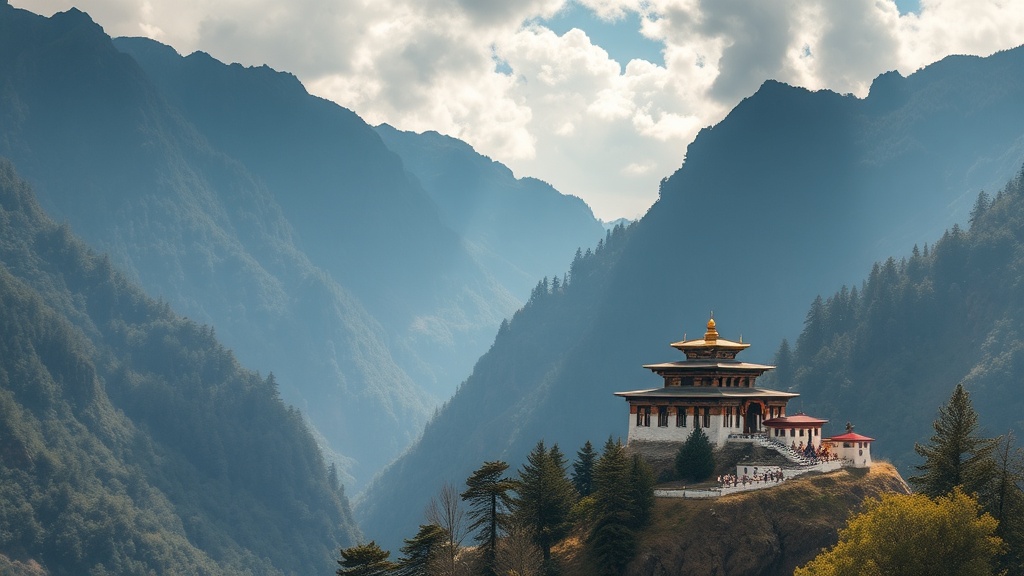
While many trekkers head straight for the Jomolhari Trek, I find the Phobjikha Valley offers a more profound look at the intersection of spirituality and nature. This glacial valley is a sanctuary for the endangered Black-Necked Cranes. Trekking through this region isn't just about the vertical gain; it's about the cultural immersion. You’ll pass through ancient monasteries that look like they were carved directly into the granite cliffs.
The terrain is a mix of sub-tropical forests at the lower elevations and alpine tundra as you ascend toward the passes. This rapid change in ecosystem means your gear needs to be versatile. Just as you would prepare for navigating the mist in the Norwegian fjords, you need to be prepared for sudden shifts in visibility and temperature in the Himalayas. One moment you are sweating through a steep ascent in a light base layer, and the next, you are facing a biting wind that drops the perceived temperature by twenty degrees.
Essential Gear and Preparation
Because you are often camping in remote areas, your gear is your lifeline. I don't recommend skimping on technical apparel. If you are looking to upgrade your kit without breaking the bank, I suggest looking into a strategic gear budget approach. Buy high-quality, multi-season items rather than cheap, single-use gear.
My Mandatory Gear List for Bhutan:
- Layering System: A merino wool base layer (moisture management is key), a mid-weight fleece, and a high-loft down jacket for evenings.
- Footwear: Broken-in, waterproof trekking boots. Do not bring brand-new boots on this trip; the rocky terrain is unforgiving.
- Hydration: A filtration system (like a Sawyer Squeeze) is helpful, though your guides will provide boiled water.
- Sun Protection: The UV index at high altitudes is brutal. High-SPF sunscreen and polarized sunglasses are non-negotiable.
If you find yourself needing to recalibrate your lifestyle before a big trip like this, sometimes a smaller microadventure can serve as a great way to test your endurance and mental fortitude before committing to a multi-week expedition.
The Physical and Mental Challenge
Trekking in Bhutan is a test of attrition. The air is thin, and the climbs are relentless. You aren't just fighting the incline; you are fighting the altitude. I always advise my clients to spend at least three days in Paro or Thimphu before heading into the valleys to allow for natural acclimatization. This isn't a suggestion; it's a physiological requirement to avoid Acute Mountain Sickness (AMS).
"The mountains do not care about your itinerary. They only care about your preparation."
The mental aspect is just as critical. There will be mornings when the fog is so thick you can't see the person ten feet in front of you, and the temperature is hovering just above freezing. This is where the "adventure" part of Adventure Vacations comes in. It’s about the discipline of the climb. Much like the precision required in my old engineering days, trekking requires a rhythmic, calculated approach to energy expenditure. Don't burn all your matches in the first three hours; pace your breathing and keep your heart rate steady.
Sustainability and Respectful Travel
Bhutan is one of the few carbon-negative countries in the world. As travelers, we have a responsibility to maintain that status. This means being hyper-aware of our footprint. Whether it's how we manage our waste or how we interact with the local communities, every action counts. If you are interested in more sustainable living practices, you might find our recent piece on protecting the planet through simple actions useful for your daily routine.
When visiting monasteries or villages, remember that you are a guest in a sacred space. Dress modestly (shoulders and knees covered) and always ask permission before taking photos of people or religious ceremonies. This level of respect is what ensures that these "hidden valleys" remain hidden and protected for the next generation of explorers.
Final Tactical Advice
If you are serious about this trip, start your planning at least six to nine months in advance. The combination of the SDF, the need for specialized guides, and the limited availability of high-quality trekking operators makes last-minute planning nearly impossible.
To wrap up, trekking the hidden valleys of Bhutan is not a "vacation" in the traditional sense—it is an expedition. It requires a budget, a rigorous gear list, and a high degree of physical preparation. But if you do the work, the reward is a view of a world that feels entirely untouched by the chaos of the modern age. It is the ultimate way to optimize your life for experience over things.
Stay adventurous, stay prepared.