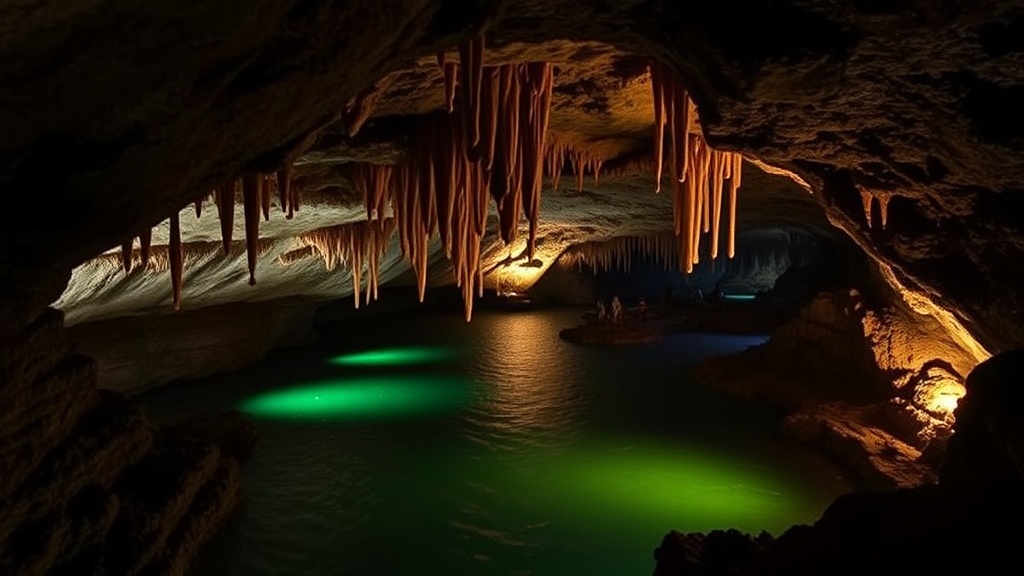
Why You Should Try Caving in the Waitomo Caves of New Zealand

Imagine navigating a limestone labyrinth in total darkness, guided only by the rhythmic dripping of water and the bioluminescent glow of thousands of Arachnocampa luminosa—the unique glowworms endemic to New Zealand. Caving in the Waitomo Caves region is not just a sightseeing tour; it is a high-sensory expedition that requires physical readiness, specific gear, and a willingness to move through tight spaces. This post breaks down the logistics, the different levels of difficulty, the actual costs, and the technical preparation required to experience this subterranean wonder without wasting your limited vacation time or budget.
The Different Levels of Caving in Waitomo
Waitomo is not a monolithic experience. The region offers a spectrum of activities ranging from "wet" tours (walking through navigable passages) to "dry" tours (crawling through tight squeezes) and full-scale technical caving. Understanding which one fits your physical ability and risk tolerance is the most important step in your planning.
Black Water Rafting
This is the most popular "adventure" option in the region. Black water rafting involves using an inner tube to navigate underground rivers. You will be wearing a wetsuit, a helmet, and a headlamp. You should expect to get completely soaked and potentially submerged in shallow water as you navigate through cave passages. This is a high-energy activity that involves floating, climbing over rocks, and occasionally jumping into pools. It is an excellent choice if you want a high-adrenaline experience without the technicalities of rock climbing or heavy vertical movement.
Dry Caving and Spelunking
Dry caving focuses on movement through limestone formations, stalactites, and stalagmites. This often involves more "hands and knees" movement than the rafting tours. You might encounter "squeezes"—narrow passages where you must flatten your body to pass through. If you have a claustrophobic tendency, this is the version of caving you should avoid. However, for those looking to test their mobility and spatial awareness, it is a highly rewarding way to see the geological architecture of the caves up close.
Standard Cave Tours
If your goal is primarily to see the glowworms rather than physical exertion, standard tours through the Waitomo Glowworm Caves are the way to go. These are largely walking tours through well-lit (but dim) passages. While beautiful, these do not provide the "adventure" element that the more intense expeditions offer. If you are traveling with family members who have limited mobility, this is the most practical option.
Logistics: When to Go and What to Pack
The Waitomo region is located on the North Island of New Zealand. Because these caves are underground, the temperature remains a constant, cool 12°C to 15°C (54°F to 59°F) year-round. This is a critical detail for your packing list. You are not just dressing for the weather outside; you are dressing for a damp, cool subterranean environment.
The Essential Gear List
Most professional operators in Waitomo, such as those found in the Waitomo Cavespace or various rafting outfitters, provide the heavy technical gear. However, you must bring your own base layers. Do not rely on cotton; cotton stays wet and will strip your body heat. Instead, use synthetic or wool fabrics.
- Base Layers: A synthetic long-sleeve shirt and leggings.
- Footwear: Old sneakers or hiking boots with aggressive tread. Do not wear brand-new boots that haven't been broken in, as the moisture and constant movement can cause immediate blistering.
- Swimwear: For black water rafting, you will need a swimsuit to wear under your wetsuit.
- Dry Bag: Even if the company provides a storage area, having a small waterproof bag for your phone or car keys is a smart move.
- A Change of Clothes: This is non-negotiable. You will be wet and muddy when you exit. Plan to change in your vehicle or a local facility immediately after.
Timing Your Trip
While caving can be done year-round, the rainy season in New Zealand (roughly May through October) can impact river levels. Heavy rainfall can lead to temporary closures of black water rafting tours due to increased water flow and silt. If your trip is weather-dependent, check the local forecast and be prepared to pivot your itinerary to a different activity if the rivers are too high.
Budget Breakdown: The Real Cost of Adventure
As someone who prioritizes efficiency, I don't like "hidden fees." When planning a trip to Waitomo, you need to account for more than just the ticket price. Here is a realistic breakdown of what to expect for a single person performing a Black Water Rafting expedition.
| Expense Item | Estimated Cost (NZD) | Notes |
|---|---|---|
| Black Water Rafting Tour | $150 - $220 | Includes wetsuit, tube, and guide. |
| Transport (Rental Car) | $50 - $80 (per day) | Based on a small economy car from Auckland or Hamilton. |
| Fuel | $30 - $50 | Depending on your starting point (Auckland is ~3 hours away). |
| Meals | $25 - $40 | Casual dining in Waitomo Village. |
| Total Estimated Cost | $255 - $390 | Per person, per day. |
To optimize this budget, I recommend booking your tours at least three weeks in advance. These high-intensity tours have limited capacity per session to ensure safety and minimize environmental impact on the cave ecosystem. If you are traveling in a group, look for "multi-person" discounts, though these are rare for the high-end adventure tours.
Safety and Physical Preparation
Caving is a physical discipline. You are essentially engaging in a low-impact version of rock climbing and swimming simultaneously. You should be comfortable with the following movements:
- The Scramble: Moving on all fours over uneven rock surfaces.
- The Squeeze: Pushing through narrow gaps where your chest or hips may touch the cave walls.
- The Float: Managing your buoyancy in a tube while navigating around obstacles in a river.
If you have a history of back issues or claustrophobia, I highly recommend doing a "dry" tour first or sticking to the standard glowworm walks. The mental aspect of being in a confined space is often more challenging than the physical aspect. If you are comfortable with heights or tight spaces, you might also enjoy other high-intensity outdoor activities. If you've already mastered technical environments, you might look into preparing for your first scuba diving trip, as the buoyancy control and breathing regulation required underwater share some mental similarities with navigating cave systems.
Environmental Stewardship: Leave No Trace
The ecosystem inside the Waitomo Caves is incredibly fragile. The glowworms rely on specific humidity levels and a lack of human interference to thrive. Furthermore, the limestone formations take thousands of years to grow; a single touch from a hand can transfer oils that kill the growth process.
Follow these rules strictly:
- Do not touch the walls: This protects both the cave structure and the glowworms.
- No flash photography: The intense light from a camera flash can disrupt the glowworms' bioluminescence and cause them to stop glowing for extended periods.
- Minimize noise: Loud shouting can echo and disturb the natural environment.
By following these guidelines, you ensure that the Waitomo Caves remain a viable adventure destination for the next generation of explorers. Caving is a rare opportunity to see a world that is almost entirely disconnected from the surface, and approaching it with respect and proper preparation is the only way to do it right.