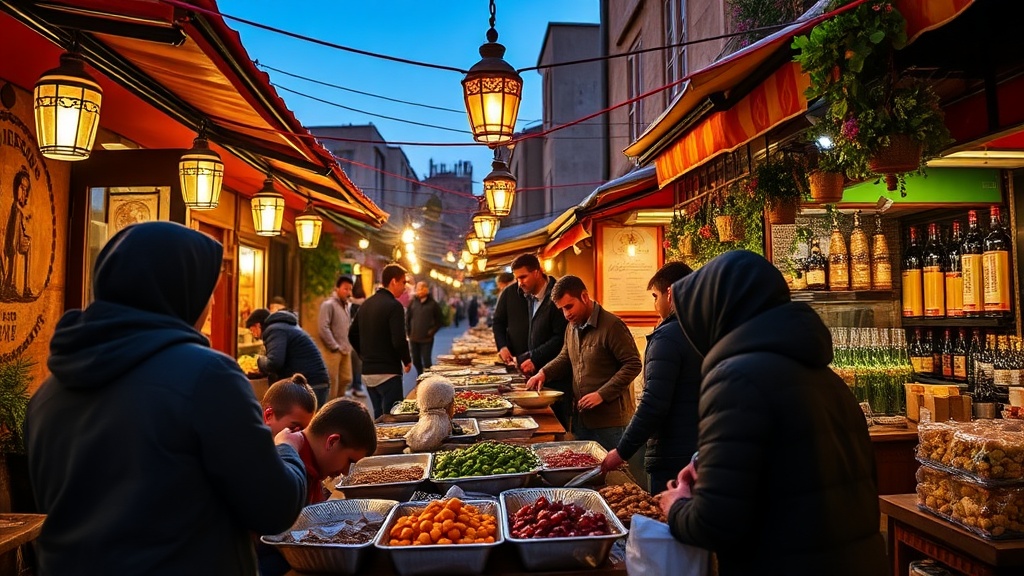
Exploring the Hidden Flavors of Morocco Through Street Food Tours

The Scent of Sizzling Merguez Sausages
Sweet Delights of Honey-Drenched Pastries
Traditional Mint Tea Rituals in Local Cafes
A traveler stands in the middle of a Marrakech medina, clutching a map that has become useless due to the sheer density of the crowd. They see a vendor tossing dough into a hot clay oven and realize that the best way to understand this culture isn't through a museum, but through a plastic stool and a plate of steaming food. This post breaks down the best street food experiences in Morocco, the specific dishes you can't miss, and the actual logistics of eating safely while traveling on a budget.
Morocco is a sensory overload. The smells of cumin, turmeric, and grilled meats hit you long before you see the stalls. If you're planning a trip, you need to know what's worth your money and what's just a tourist trap. I've spent a lot of time analyzing how to get the most value out of a trip—whether that's a high-altitude trek or a food tour—and Morocco's street food scene is one of the most cost-effective ways to experience the country deeply.
What are the must-try street foods in Morocco?
The most iconic street foods in Morocco include Harira soup, Msemmen pancakes, and various types of grilled meats like Brochettes. These dishes are staples because they are cheap, filling, and reflect the diverse regional flavors of the country.
Harira: This is a hearty tomato-based soup often served with lentils and chickpeas. It's the quintessential way to break a fast during Ramadan, but you'll find it available most days. It's incredibly cheap—usually just a few dirhams—and provides a massive boost of energy if you've been walking the medinas all day.
Msemmen: Think of these as Moroccan flaky pancakes. They are made from layered dough, often stuffed with onions and spices (savory) or honey and sugar (sweet). You'll see women making these on large flat griddles on almost every street corner in cities like Fes or Marrakech. It's the perfect quick snack when you're on the move.
B'stilla: While often served in restaurants, you can find versions of this savory-sweet pigeon or chicken pie in street stalls. The combination of cinnamon, powdered sugar, and shredded meat is a flavor profile that trips up many Western palates at first—but once you get it, it's addictive.
Brochettes: These are simple meat skewers, usually lamb or beef, grilled over charcoal. The smoke from these grills is the literal compass that leads you to the best food stalls. Look for the stalls with the longest lines of locals; that's your best indicator of quality.
If you're a fan of high-intensity travel, you might enjoy the adrenaline of a different kind of exploration. Check out my guide on adventure travel in New Zealand if you want to swap spices for mountain air.
How much does a street food tour cost in Morocco?
A typical street food tour in Morocco costs between $25 and $60 USD per person, depending on whether you book a private guide or a group excursion. This price usually includes several small tastings and a guided walk through the medinas.
When I was calculating my own travel budgets, I realized that "luxury" is a relative term. You don't need a Michelin-starred meal to have a world-class experience. In fact, the most memorable meals I've had were sitting on a wooden bench in a crowded alleyway. Here is a breakdown of what you can expect to spend on food daily if you aren't doing a formal tour:
| Meal Type | Estimated Cost (MAD) | Estimated Cost (USD) |
|---|---|---|
| Street Snack (Msemmen/B'stilla) | 10 - 25 MAD | $1 - $2.50 |
| Bowl of Harira Soup | 15 - 20 MAD | $1.50 - $2.00 |
| Full Street Food Lunch (3-4 items) | 50 - 80 MAD | $5 - $8.00 |
| Traditional Tagine (Sit-down) | 60 - 120 MAD | $6 - $12.00 |
| Fresh Orange Juice (Jemaa el-Fnaa) | 10 - 15 MAD | $1 - $1.50 |
Note: 1 USD is approximately 10 MAD (check current rates via XE Currency Converter before you go).
The catch? If you stick strictly to street food, you can eat like a king for under $15 a day. But don't be afraid to splurge on a proper Tagine once in a while. The slow-cooked meat and vegetables are the backbone of Moroccan cuisine for a reason.
How can I eat safely while traveling in Morocco?
To eat safely in Morocco, prioritize food that is cooked fresh in front of you at high temperatures and avoid raw vegetables or unpeeled fruits in street stalls. Always ensure your water is bottled or treated.
I've been in situations where a "stomach bug" ruined a perfectly good expedition. I don't recommend it. When you're traveling, your health is your most important piece of gear. If your digestion fails, your trip is essentially over. Here is my checklist for navigating the street food scene without the risk:
- Watch the Heat: Only eat food that is being cooked right in front of you. The high heat of the grill or the boiling water of the soup kills most bacteria. Avoid anything that has been sitting out at room temperature for a while.
- The "Local" Rule: If a stall has a massive line of locals, the turnover is high. High turnover means the food isn't sitting around getting "funky."
- Peel Your Own Fruit: If you want fruit, buy things you can peel yourself, like bananas or oranges. Avoid pre-cut fruit salads from street vendors—the washing process is often questionable.
- Water Integrity: Stick to bottled water. Even if you're feeling brave, the tap water in many parts of Morocco can cause issues for unaccustomed travelers. I always carry a LifeStraw or a similar filtration system if I'm heading into more remote areas, but in the cities, bottled water is everywhere.
- Ice is the Enemy: Be wary of drinks that contain ice unless you are certain it's made from purified water. In many street stalls, ice is a gamble.
It's not about being paranoid; it's about being prepared. You want to remember the taste of the saffron and cumin, not the feeling of a bathroom floor.
One thing to keep in mind: the spice levels in Morocco aren't always "hot" in the way a Thai curry is hot. It's more about the depth of flavor. However, if you see a vendor using a lot of harissa (a spicy chili paste), be ready for some heat. It's a great way to test your limits, but don't overdo it if you have a sensitive stomach.
The medinas can be overwhelming. The narrow streets are designed to confuse people—it's an ancient architectural feature. Don't fight the flow. If you get lost, don't panic. Just find a cafe, sit down, have a mint tea, and look at your map. The food will still be there when you find your bearings.
If you're looking for more ways to explore the world on a budget, you might find my post on epic adventure destinations useful for planning your next big move. Morocco is just one piece of the puzzle.
The best part about a street food tour is the human element. You aren't just consuming calories; you're participating in a ritual that has existed for centuries. You'll see the interaction between the vendor and the customer, the way the steam rises into the cool evening air, and the sheer joy of a simple, well-made meal. It's a level of authenticity you just can't find in a hotel dining room.
Whether you're a solo backpacker or traveling with a group, make time for the street food. It's the most honest way to see the country. Just remember to bring small denominations of Dirhams—the vendors won't have change for a large bill, and you don't want to be that person standing there awkwardly while a crowd forms behind you.