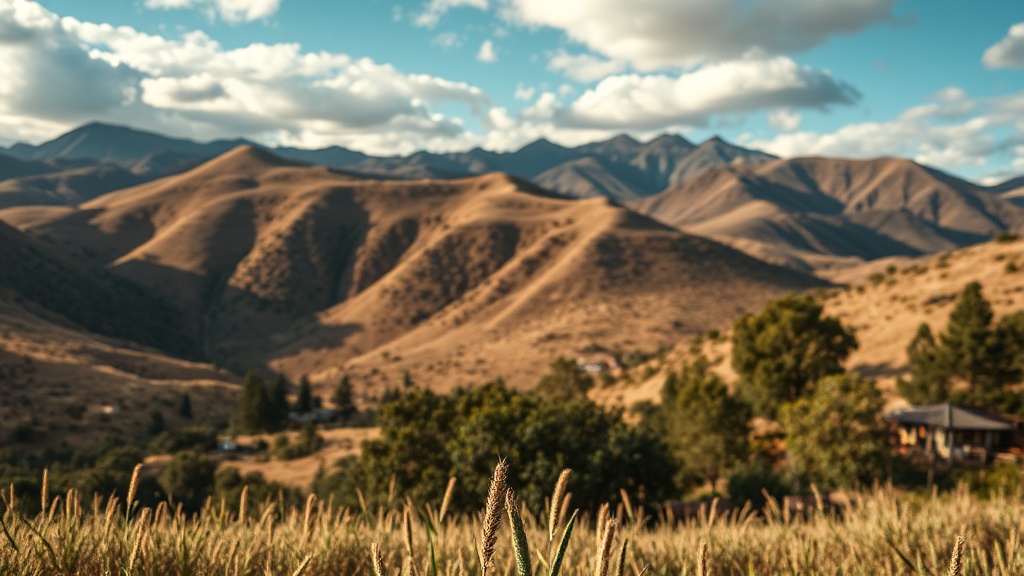
Finding Serenity in the High Andes Through Local Coffee Traditions

This guide breaks down the logistics, costs, and cultural nuances of visiting the high-altitude coffee regions of the Andes, specifically focusing on the coffee-growing corridors of Colombia and Peru. You'll find practical advice on altitude acclimatization, finding authentic local experiences, and budget-friendly ways to experience high-altitude coffee culture without spending a fortune.
Why Visit the High Andes for Coffee Culture?
The high Andes offer a unique intersection of extreme topography and deep-rooted agricultural traditions that you won't find in a standard city-based cafe tour. Most travelers stick to the coastal cities or the Inca Trail, but the real magic happens in the coffee-growing regions where the altitude dictates every part of life.
I spent years optimizing code for efficiency, but nothing compares to the slow, methodical process of harvesting coffee at 2,000 meters. It’s a different kind of rhythm. You aren't just drinking a beverage; you're witnessing a survival strategy turned into an art form. The high altitude creates a specific microclimate that produces beans with higher acidity and complex profiles—stuff that actually matters if you care about the craft.
If you're planning a trip that involves high-altitude trekking, you should probably read our guide on smart packing strategies for variable climates. The weather shifts fast in these mountains.
How Much Does a Coffee-Focused Trip to the Andes Cost?
A mid-range, 10-day trip through the Colombian Coffee Axis or the Peruvian highlands typically costs between $1,200 and $1,800 per person, excluding international flights. This budget allows for comfortable boutique stays, private transport-led excursions, and high-quality coffee tastings.
Let's be real—travel can get expensive if you're not careful. I've seen people blow their entire budget on "luxury" coffee tours that are basically just overpriced excursions for tourists. If you want to do this right, you need to balance the "splurge" moments with local-style living. I'm talking about staying in small, family-run fincas (farms) rather than high-end resorts.
| Expense Category | Budget (USD) | Mid-Range (USD) | Notes |
|---|---|---|---|
| Accommodation | $30 - $50/night | $80 - $150/night | Fincas vs. Boutique Hotels |
| Daily Food & Coffee | $20 - $30 | $45 - $60 | Street food vs. Local Bistros |
| Regional Transport | $15 - $25 | $50 - $100 | Local buses vs. Private drivers |
| Guided Coffee Tours | $25 | $75 | Self-guided vs. Expert-led |
The real cost of adventure travel isn't just the price tag; it's the time you spend planning it. You can learn more about managing your finances by checking out the real cost of adventure travel. It's a fundamental skill for any serious traveler.
What are the Best Regions for Coffee-Centric Travel?
The two best regions for this experience are the Coffee Triangle (Eje Cafetero) in Colombia and the Cajamarca region in Peru. Each offers a distinct approach to high-altitude agriculture and local culture.
In Colombia, the region around Salento and Manizales is the gold standard. The terrain is steep, the coffee is world-class, and the infrastructure is actually quite decent. You can hike through the Cocora Valley—home to the massive wax palms—and then head straight to a coffee farm. It’s a perfect mix of physical exertion and cultural immersion. (Side note: wear sturdy boots; those trails can get incredibly muddy during the rainy season.)
Peru is a different beast. The coffee regions in the northern highlands are less "tourist-ready" than Colombia, which makes them incredibly rewarding if you're looking for something raw. You'll likely be dealing with much higher altitudes here. If you're heading to the Peruvian Andes, make sure you understand the biological impact of altitude sickness before you jump into a high-intensity trek.
A Typical Day on a Coffee Farm
- Early Morning: Observation of the harvest process (often involves manual picking of the red cherries).
- Mid-Morning: Learning about the "wet process" (depulping and fermentation).
- Afternoon: Drying the beans on raised beds and basic roasting techniques.
- Late Afternoon: Tasting (cupping) the final product with a local expert.
How Can You Prepare for High-Altitude Coffee Tours?
You should prioritize gradual acclimatization and hydration to ensure you can actually enjoy the experience without a debilitating headache. It's not just about the coffee; it's about the altitude itself.
I remember my first time hitting the higher elevations in the Andes. My brain felt like it was being squeezed by a vise. I realized quickly that I hadn't prepared enough. You can't just show up and expect your body to handle 2,500+ meters without a ramp-up period. Drink more water than you think you need. It's a cliché for a reason.
Don't rely solely on coffee for energy when you're up there. Caffeine is a diuretic, and at high altitudes, dehydration is your biggest enemy. If you're out in the field, keep a bottle of water with you at all times. If you're using gear like a Patagonia Black Hole backpack to carry your supplies, make sure you're also carrying a lightweight water filtration system—it saves a ton of money and keeps you from relying on plastic bottles.
One thing I've learned: the local coffee is often served with a bit of panela (unrefined cane sugar). It's a great source of quick energy, but don't overdo it if you're trying to stay hydrated. It's a delicate balance.
Is It Worth It to Hire a Local Guide?
Yes, hiring a local guide is worth it if you want to move beyond the surface-level tourist experience and understand the actual mechanics of the coffee production. A guide provides context that a Wikipedia page or a basic tour brochure never could.
A local guide won't just show you where the beans grow. They'll explain the socio-economic impact of the coffee trade on their specific village. They'll show you the subtle differences in soil types that make one valley's harvest different from the next. That's the stuff that actually stays with you. It's the difference between seeing a "coffee farm" and understanding a "coffee culture."
If you're a photographer, this is even more important. A guide knows the exact time the light hits the valley or which specific paths lead to the best vantage points for your camera. If you want to capture the landscape, check out my previous post on photographing landscapes on the move. It'll help you make the most of the golden hour in the mountains.
The catch? Finding a truly great guide requires a bit of legwork. Don't just book the first person you see on a booking site. Talk to locals in the town centers. Ask the people running the small cafes for recommendations. The best experiences are rarely found in a glossy brochure.
The Andes aren't just a backdrop for a photo; they are a living, breathing, high-altitude machine. Whether you're there for the trek or the caffeine, respect the environment and the people who make it all possible.